



Transport strike on December 2 and 3 disrupts traffic in Paris and the Île-de-France region
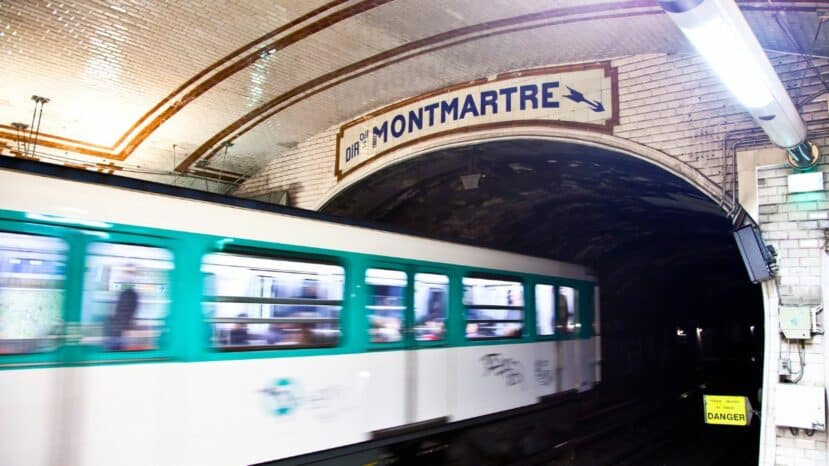
In Paris and the Île-de-France region, the transport strike is set to last three days. On December 1, 2 and 3, many travelers will have to adapt their journeys and schedules. Here’s a complete rundown on how to anticipate the strike without stress and minimize delays.
Transport strike: changes from December 1 to 3
The industrial action is spread over three days, from December 1 to 3. Disruptions may vary from one day to the next, depending on depots and lines. The effects will often be concentrated on the morning and evening rush hours. In addition, certain interspersed slots may remain more fluid.
The operators RATP and SNCF have announced an adapted transport plan. Forecasts are subject to change, as mobilization may fluctuate locally. Consequently, the transport strike will not affect each line in the same way. In short, it’s best to check the traffic information before each trip.
Routes and alternative modes of transport during the transport strike
Cycling, walking and carpooling are useful supports. On the other hand, they require time and careful planning. For example, anticipate
“Our priority remains passenger safety and information”.
Telecommuting, where possible, relieves pressure on networks. Staggered working hours can also reduce exposure to peaks. Consequently, avoid mass departures just before
Transport strike forecasts by network
Operators publish estimates around 5 p.m. the day before, then adjust them early in the morning. So check the official channels before you leave. In-station announcements also provide real-time information. Transport strikes may result in longer intervals and partial termini.
- Leaving earlier or later than usual
- Plan a realistic escape route
- Keep a margin of 20 to 30 minutes
- Follow messages on station and on board
- Limit connections where possible
Major routes, such as the RER and metro lines, concentrate flows. So leave plenty of room for maneuvering on central sections. What’s more, access to interchanges can be slowed down by traffic congestion. So keep a back-up solution for journeys to airports.
Buses and streetcars often offer appreciable local coverage. However, local detour are still possible in the event of overcrowding. Frequencies may also be reduced, especially in the evening. During a transport strike, connections remain the most sensitive area.
Workers, families, students: getting organized in the face of the transport strike
For employees, flexible working hours help stabilize the day. So, negotiate a tolerant arrival slot, with a margin at the start. In addition, give early warning of any unforeseen circumstances to avoid a snowball effect. Consequently, synchronize your meetings with the most reliable slots.
Families need to secure school routes and activities. Coordinating with other parents can help reduce unplanned waits. On the other hand, avoid tight schedules around snacks and dinner. The transport strike calls for a more flexible timetable for the return journey.
After the transport strike: what to look out for in the days ahead
The return to normal is not instantaneous. As a result, some trains and crews are still repositioned the following morning. What’s more, the influx of postponements may persist for several hours. So leave yourself a margin on the first day of resumption.
Operators broadcast traffic reports and end-of-alert messages. Now, live notifications help to readjust departures. In short, wait for confirmation of line resumption before a long journey. The transport strike may leave residual effects on peak times.
Keep an eye out for any renewable notice periods or local actions. A depot or station may experience occasional disruption. What’s more, a technical incident can prolong the inconvenience on a section of line. So make sure you check in the morning, especially on critical routes.




No comments
Post a comment
Always participate in accordance with the law and with respect for others.