



Muscles to strengthen for longer life: legs, trunk and grip strength
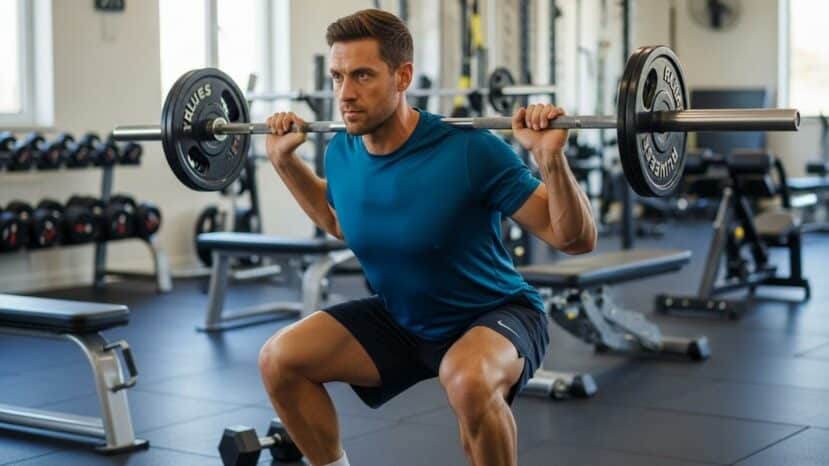
You want to live longer without sacrificing your daily energy. The answer lies not just in cardio, but in specific muscle groups. Strengthening the right muscles makes a difference at any age.
Muscles to strengthen first
First, the lower body makes the difference. Quadriceps and glutes support walking, stair climbing and leaning. What’s more, strong legs limit falls and help you live longer.
Grip strength is therefore a key marker. Studies link it to vitality, independence and longevity. By working on your grip, you secure your back and can live longer.
Next, the trunk and back extensors protect posture. A strong core facilitates breathing and everyday movements. So a strong belt helps you move better and live longer.
“Reinforcing what we use every day remains our best health insurance.”
The lower body, a bulwark against falls
Falls are still a major cause of hospitalization after the age of 60. Yet strengthening the buttocks and calves significantly reduces this risk. For example, standing on one leg for 30 seconds helps improve balance and prolong life.
The sit-to-stand test quickly reveals useful strength. Getting up 10 times without using your hands indicates a good functional reserve. In short, gaining these abilities keeps you independent and helps you live longer.
- Prioritize legs, buttocks and back
- Maintain grip and forearm
- Practice balance every week
- Keeping your technique clean and stable
- Smooth, steady, measured progress
A simple, safe training plan
Start with 2 to 3 weekly strengthening sessions. Aim for 3 sets of 8 to 12 controlled repetitions. This way, you stimulate the muscle without burning out, and you can live longer.
Focus on 5 key effective movements. Squat, hip hinge, lunge, horizontal pull and weight bearing. On the other hand, put your ego aside to protect your back and live longer.
Add a dose of accessible cardio. 150 minutes of moderate intensity per week remains a solid base. As a result, brisk walking or cycling complement strength and help you live longer.
Track your progress without hurting yourself
Measure your grip with a dynamometer if possible. Otherwise, carry heavier bags while remaining stable. In addition, control effort with an RPE 6-7 comfort scale to live longer.
Time a sustained walk and note recovery. Then test the sit-stand every month with the same chair. In this way, regular progress validates your choices and helps you live longer.
Recovery, diet and lifestyle habits
Think protein to nourish muscles. For active adults, aiming for 1.2-1.6 g/kg/day spread over the day helps. Also, anchor 25-40 g per meal to promote synthesis and live longer.
Sleep repairs what training stimulates. Sleep 7-9 hours, with a stable, soothing routine. As a result, fewer screens in the evening improve recovery and help you live longer.
Reduce your sedentary lifestyle by taking short active breaks. Walk, stand up often and climb a few steps. In this way, these micro-habitats amplify training and support the goal of living longer.



No comments
Post a comment
Always participate in accordance with the law and with respect for others.