



Hot-water bottle: check the year of manufacture, replace older models to avoid burns.
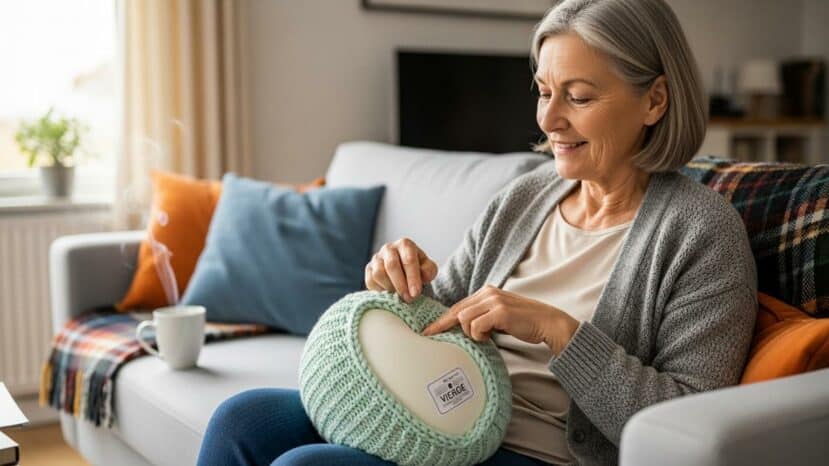
When the cold comes, the hot water bottle reassures, warms and soothes. However, a worn-out or misused model can cause burns and leaks. So it’s best to know the right reflexes before putting it on your skin.
When your hot water bottle becomes a household hazard
Rubber and some plastics age with heat, time and humidity. What’s more, seals and stoppers quickly lose their tightness after repeated use. Manufacturers often suggest replacement in
There are three main families: water, seed and electric. For each, poor maintenance or advanced age increases the risk of an incident. On the other hand, regular inspection significantly reduces these risks. Your hot-water bottle remains an ally, not a threat.
Signs of wear to watch out for
Look at the surface under the light and gently bend the material. This will help you see cracks, thin or sticky areas. Test the stopper and gasket too, as leaks often occur there. A hot-water bottle that smells strongly of rubber can also signal deterioration.
“Replace without delay if you observe cracks, seepage or damaged seals.”
Some models feature a date code, sometimes with a week and year mark. In addition, the mention of a standard such as BS 1970 provides reassurance about design and resistance. This marking is not universal, but it remains a good benchmark. In short, the absence of clear information calls for greater caution.
Good practices for using and filling hot water bottles
Use hot, but never boiling, water to protect the material. Fill to a maximum of two-thirds full, with the bottle upright. Then flush out the air before closing, and screw without forcing. This limits pressure, leaks and burns.
- Non-boiling hot water, straight from the tap if possible.
- Funnel recommended to stabilize filling.
- Expel air, then close without overtightening.
- Use a thick cover or dry cloth.
- Do not lie or sit on it.
Always protect the skin with a clean, dry cover. Also, don’t leave the heat on the same area for too long. At night, warm up the bed, then remove the accessory. Your hot-water bottle should remain a comfort, not a source of risk.
Seed models require gradual heating in the microwave. Stir the contents to distribute the heat, then leave to stand. This prevents hot spots and local overheating. As a precaution, place a glass of water in the oven to limit drying out.
Children, fragile skin and medical conditions
Babies and young children are very sensitive to heat. It’s best to heat the sheets, then remove the accessory before bedtime. Elderly people and those undergoing skin treatments should also take extra care. A hot-water bottle should never be placed directly on fragile skin.
In the event of a burn, cool the area under lukewarm water for 20 minutes. Do not apply any greasy substances, and cover with a clean bandage. If the pain persists or the burn is extensive, seek medical advice immediately. Medical advice helps prevent complications.
Choosing, storing and replacing your hot water bottle
Choose a thick model with a solid cap and a tight-fitting seal. A visible date of manufacture and clear instructions are good signals. Avoid very old stocks or those with no traceability. A quality hot water bottle inspires confidence and lasts a reasonable length of time.
Empty and dry the interior after use, cap removed. Also, keep the accessory out of direct sunlight, in a dry place. Store it flat, without folds, to avoid creating weaknesses. Proper storage delays wear and protects your fireplace.
Plan a check every cold season, then replace if in doubt. From now on, make safety a routine as simple as filling the accessory. Prevention is better than cure, especially around children. Your comfort gains in serenity, and the house stays safer.



No comments
Post a comment
Always participate in accordance with the law and with respect for others.