



Musée du Louvre: water leak damages 400 Egyptological works in Paris
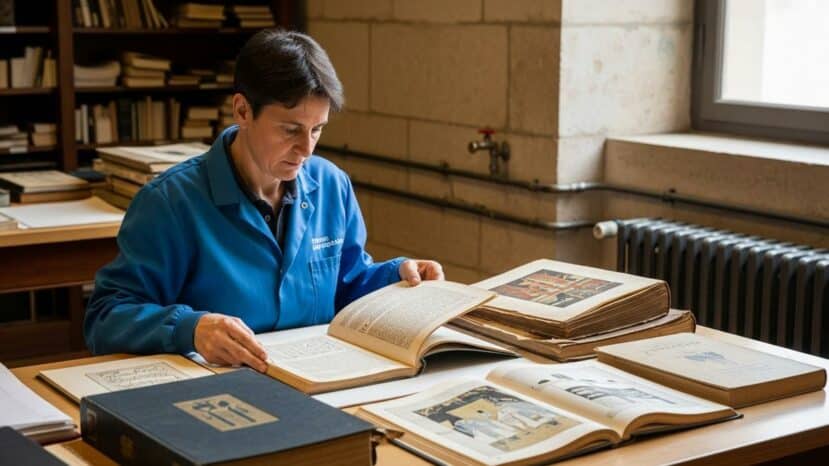
A water leak has affected the Musée du Louvre’s Egyptology Library. An initial report indicates that between
Water leak at the Musée du Louvre: facts verified and initial assessments made
The incident occurred in an internal area dedicated to Egyptology resources. The collections affected included specialized journals, catalogs and antique bindings. Teams have also stabilized the area to prevent any further spread. The Musée du Louvre has put in place procedures for this type of event, reminding us of the importance of safeguarding our heritage, just as it does for seasonal creations such as Christmas logs inspired by art and heritage.
According to the information provided, the cause was a combination of a dilapidated hydraulic network and a valve opened by mistake during a technical intervention. The water was quickly contained, limiting the damage. However, the library needs to be assessed on a title-by-title basis. The Musée du Louvre confirms that none of the works on display have been affected, preserving the visitor experience in the same way as other cultural and festive events at the end of the year, including Christmas shopping in complete peace of mind.
Damage and measures to protect the collections of the Musée du Louvre
The damage observed remains variable: wetting, swelling and the risk of mould. The teams apply tried-and-tested protocols: controlled drying, stabilization freezing and ventilation. In addition, each volume receives an individual diagnosis. The Musée du Louvre follows a documented intervention chain, just as rigorous as the selection offashion books for Christmas gifts.
“The priority remains safeguarding and documenting the works.”
The preservation plan includes buffer zones to isolate fragile documents. Conservators monitor humidity and temperature. They also track movements to guarantee scientific integrity. In short, the aim is to save as much as possible, without rushing, in a spirit of vigilance comparable to that required to protect valuable items such as exceptional Christmas jewelry.
For visitors, the impact remains limited to internal sectors. Visitor circuits remain operational, including the flagship collections. Reception teams are on hand to answer questions. The Musée du Louvre is maintaining its usual opening hours.
- 300 to 400 wet books on Egyptology.
- Cause being confirmed: old network and valve opened by mistake.
- Measures activated: drying, freezing, ventilation, room-by-room monitoring.
- No impact on works on public display.
- Visits maintained; internal areas under technical control.
Responsibilities, maintenance and prospects at the Musée du Louvre
Initial analyses point to a need for increased maintenance on water networks. The incident thus raises the question of investment in older buildings. What’s more, a technical audit can refine risk mapping. The Musée du Louvre could prioritize targeted replacements.
The sequence of events evokes a human error linked to a routine operation. On the other hand, procedures are designed to avoid this type of scenario. The updating of instructions is therefore one of the avenues to be explored. Every technical gesture counts when it comes to document stocks.
Transparency is still required on restoration timescales and costs. Management will probably share a timetable once the appraisals have been completed. In addition, feedback will help other departments to prepare. The Musée du Louvre is committed to continuous improvement.
Practical advice for visitors and researchers at the Musée du Louvre
Planning a family visit? You can come as planned, as the routes remain accessible. So check the on-site signage for any minor detour. What’s more, the on-site accessibility application indicates information points.
Researchers and readers must anticipate delays in consultation. As a result, some reproduction requests may take longer. However, the library’s teams can offer temporary solutions. From now on, prior contact will facilitate the organization of appointments.
What the incident reveals about the Musée du Louvre and the heritage sector
Water is one of the major threats to libraries. Regular training in document rescue is therefore essential. Prevention also involves sensors, tests and exercises. As a result, each incident sharpens our collective reflexes.
Restoration requires specialized skills, from paper to binding. In addition, partner laboratories can support certain analyses. In short, a follow-up of several months seems plausible, depending on the condition of the volumes. The teams are continuing their rigorous sorting by priority.
Beyond the shock, this episode is a reminder of the value of documentary collections. In this way, these sources nourish research and mediation. What’s more, they complement the study of the works of art conserved in the palace. Consequently, supporting restorers and agents remains a concrete challenge for the community.



No comments
Post a comment
Always participate in accordance with the law and with respect for others.