



UFC Que Choisir warns in 2024: these highly salted sweet and low-fat butters should no longer be sold as butter
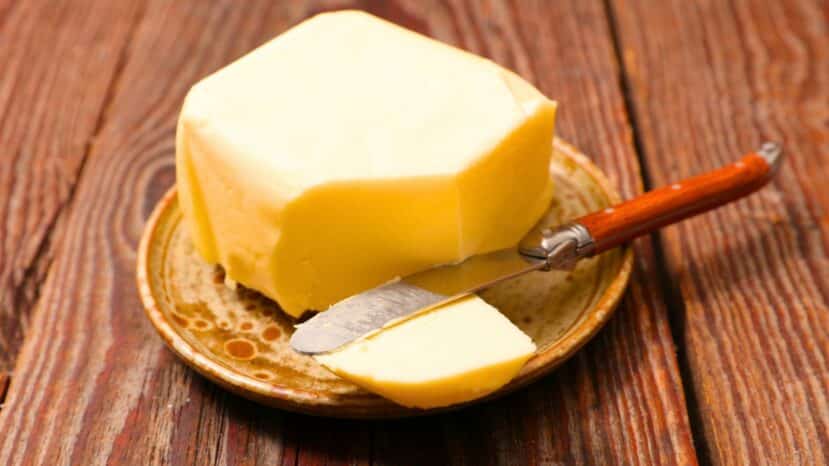
Faced with labels that all look the same, low-fat butters are popping up all over the fresh produce aisle. A recent report by UFC-Que Choisir raises the question: what are we really buying when the packaging promises a light “soft butter”? Here are some clear guidelines for understanding, choosing and cooking low-fat butters without confusion, just as for selecting winter dresses or accessories.
Butter, “light” or “spreadable”: what really changes?
In Europe, “butter” means a fat content of around 82%, with around 16% water. As soon as the lipid content is reduced, we switch to other denominations. Low-fat butters are products with a fat content of between 20% and 41%, which are more hydrated and often emulsified. Packaging must clearly state this to avoid confusion, as with high-end watches or luxury items.
UFC-Que Choisir points to a number of misleading presentations. On some packs, the word “butter” appears in large letters, whereas the product is actually a “low-fat dairy product”. This may seem trivial, but the use in the kitchen is not. Low-fat butters don’t have the same texture or the same cooking behavior, in the same way that a tuft bob doesn’t give the same result as a classic coupe.
At the time of purchase, a consumer in a hurry may think of choosing a classic “soft butter”. On the other hand, the higher water content alters melting, coloring and even pasta success. What’s more, the serving size needs to be read carefully, as the caloric value changes. For a specific pastry use, low-fat butters are likely to disappoint, just as a poorly chosen perfume can disappoint in everyday use.
“Reading the label remains your best safeguard.”
What the regulations say, and what you see on the shelves
The regulations define precise categories. “Butter” refers to around 82% fat content, while “semi-thick” or “light” variants fall to 39-41% or 20%. The words “spreadable” or “light milk fat” must also appear. In this way, the visual promise cannot mask the nature of the product.
On a daily basis, keep one simple reflex in mind: read the MG percentage on the front and back. Then compare with the same weight, or even with the price per kilo, to determine the real value. Low-fat butters exist to meet certain needs, but they do not always replace butter in culinary techniques. In short, each use requires a suitable product.
- Check the % fat on the front panel.
- Locate the precise product name.
- Read the ingredients list and the salt content.
- Anticipate use: toast, frying pan, pastry.
- Compare the price per kilo, not just the pack.
Nutrition and culinary use: not the same result
Fat adds flavor and texture; water, steam and dilution. As a result, a more hydrated product “pinches” less in the pan and browns less quickly. What’s more, the mouthfeel changes, as the emulsion melts differently. Low-fat butters work well on toast, but not necessarily on Viennese pastries.
Auchan – Le Beurre léger doux 40% de matière grasse
A 40% MF “beurre léger doux” product: ideal for spreading in the morning, practical for everyday use; on the other hand, for puff pastry and demanding pastries, choose an 82% MF butter.
In pastry-making, fat structures the dough and traps air. For a brioche that runs smoothly or a crisp puff pastry, stability counts. Also, when pan-frying, a higher water content means more splattering. With low-fat butters, adjust the heat and be patient with the coloring.
Taste also depends on salt, acidity and the origin of the cream. Nowadays, some references add ferments to support the aroma. On the other hand, the dilution of fat reduces the power of flavor. In this case, use complementary, but not excessive, seasonings.
How to choose and care for your toast
Start by clarifying your objectives: taste, calories, cooking or budget. For a simple slice of bread, a 39-41% product may suffice. What’s more, at breakfast, the portion size remains key: adjust the dose rather than compensating with other fats. Low-fat butters meet this compromise.
In the fridge, temperature affects texture. So take the tray out a few minutes before spreading. As a result, you avoid overloading the slice just to spread successfully. This routine makes using low-fat butters a pleasure.
Frequently asked questions and misconceptions
A “mild” product is not automatically an 82%“classic” product. For example, “mild” refers primarily to salt, not fat content. What’s more, some products also claim “light”, with levels of 20% or 40%. Low-fat butters therefore make different claims for different uses.
Elle & Vire – Le Beurre léger doux 20% de matière grasse
Reference “beurre léger doux” à 20 % MG: very melting texture, reduced calories; therefore, reserve it for spreads and cold preparations rather than for cooking.
For cooking, aim for the right target, depending on the pan and recipe. On the other hand, for mounted sauces, a fattier base stabilizes the emulsion better. Also, for pastries, stick to recipes that call for “dry” butter. Your results will depend on your initial choice.
On the health front, vary your lipid sources and textures. For example, combine dairy products, omega-3-rich oils and nuts. In short, adapt the portion to your actual hunger and the time of day. Taste follows when technique and labeling are aligned.



No comments
Post a comment
Always participate in accordance with the law and with respect for others.