



Content creators will drive fashion brands in 2025, says Anne-Sophie Da Fonseca
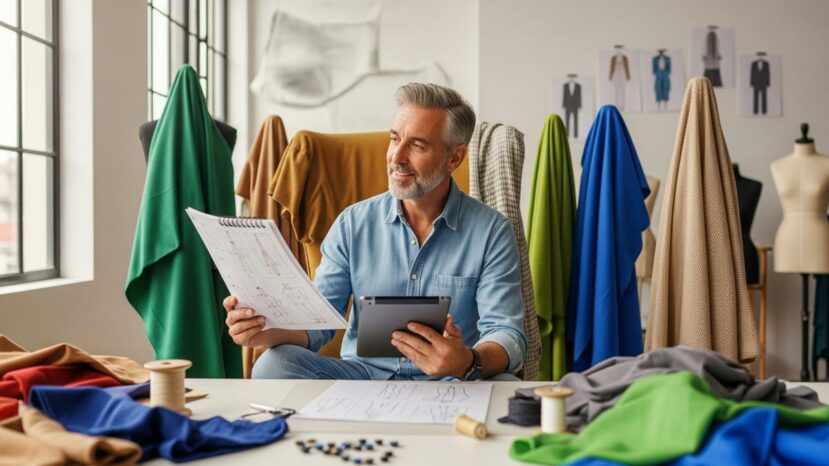
Content creators and fashion houses are reinventing their collaboration. For fashion brands, the stakes go beyond visibility and finally touch on value. Here are some concrete guidelines for making better decisions without losing authenticity.
Creator partners, not just media
According to analyses shared by Anne-Sophie Da Fonseca, the designer becomes a co-author. They become involved in the idea, the form and sometimes the product. What’s more, this posture reinforces credibility.
This change calls for a clear, open brief. Creative leeway also feeds performance. For fashion brands, it’s a lever forinnovation.
Different platforms dictate different codes. TikTok pushes realism and speed, while Instagram focuses onaesthetics. YouTube and Twitch, on the other hand, value duration and relationship.
“Designers aren’t media, they’re creative partners.”
Measuring beyond reach
Reach alone is no longer enough. Nowadays, brand and sales indicators are combined. The result is a finer, more useful reading.
We follow sentiment in comments and repeat purchases. What’s more, test-and-learn piloting avoids the risk of a one-off. As a result, the team is able to adjust formats and budgets on an ongoing basis.
- Clarify image and conversion objectives from the outset
- Co-constructing the story and securing usage rights
- Validate sensitive messages and evidence
- Plan for content extension
- Measure, learn, then reinvest what works
Formats that work for today’s fashion
For fashion brands, documentary series show real work. For example, a workshop vlog or a fitting makes sense. These formats also boost brand preference.
Designers from the gaming world, such as Maghla, illustrate fruitful bridges. In this way, a pop-culture audience can open up to style codes without losing its sincerity.
Co-signed capsules remain desirable when they are rare. However, transparency about rewards reassures communities. What’s more, post-launch follow-up feeds the story.
Live events and social commerce are back with a vengeance. For fashion brands, these appointments convert when the storytelling remains simple. Then, replaying the best excerpts prolongs the life of the content.
Organization, risks and framework
For fashion brands, a trio of marketing, legal and production teams ensures that projects run smoothly. Deadlines, rights and exclusivity are clearly defined. On the other hand, too much control kills authenticity.
Advertising compliance must be clear. In addition, partnership references and traceability of gifts avoid sanctions. As a result, trust is reinforced for all concerned.
Trends to watch in 2025
Generative AI speeds up creative previewing. For fashion brands, it serves as a draft, not a substitute. However, image ethics remain central.
Niche communities are gaining in value. A highly targeted micro-creator can surpass a macro in impact. What’s more, the cost per action is often better.
The physical link goes back to workshops, talks and shows. And behind-the-scenes content reinforces off-screen loyalty. In short, experience complements digital.
Sustainable management becomes a decision-making criterion. Consequently, keeping, reissuing and measuring assets over time creates returns. For fashion brands, it’s a winning strategy when it’s sustainable.



Aucun commentaire
Publier un commentaire
Participez toujours dans le respect de la loi et des personnes.