



Wagner’s Siegfried arrives at the Opéra Bastille in 2026, 3rd part of the Ring of the Nibelung
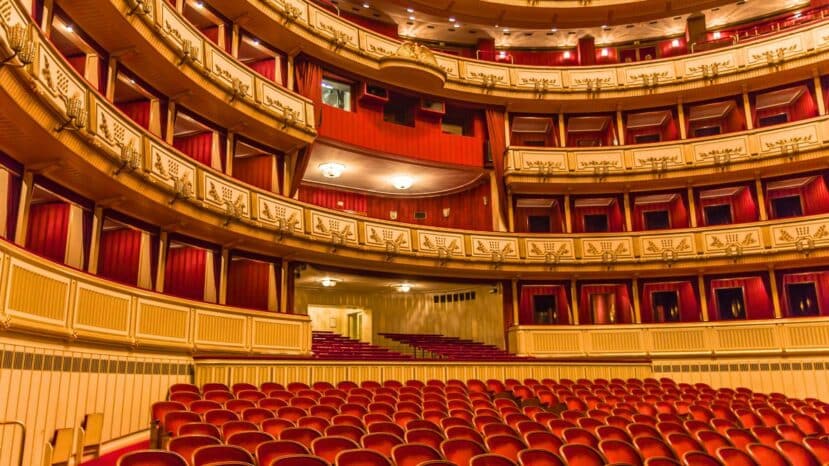
In 2026, Wagner’s Siegfried returns to the Opéra Bastille. Paris is set to experience a new chapter in an already exciting cycle. Audiences can look forward to a dense, demanding evening, generous in emotion and orchestral inspiration.
Siegfried 2026: a milestone for Paris
This drama is the third part of the Ring of the Nibelung, in four evenings. What’s more, the Opéra Bastille is preparing a unifying event, designed for the faithful and the curious alike. In short, we’re about to embark on a pivotal stage, just before the myth’s ultimate downfall.
We follow a naive hero who learns, forges, then asserts himself in the face of doubt. The large orchestral ensemble deploys colors of metal, forest and inner storm. As a result, the dramatic tension is fed as much by the voices as by the timbres, always linked to the story.
History, from anvil to kiss of fire
Siegfried reforges Nothung, confronts Fafner, then defies the questioning Traveller. At the Opéra Bastille, these figures take on a tangible, almost physical force, in an ample stage space. Yet the hero’s candor stands in stark contrast to the subterranean intrigues, which persist and become entangled.
“To forge the sword is to forge a courage that never backs down.”
Mime plots to monopolize the ring, but his lie crumbles in the face of the young man’s frankness. What’s more, the shadow of the gods lingers on, between ancient rules and emerging freedom. As a result, Siegfried’s path slides towards Brünnhilde’s rock, where everything is turned upside down.
The awakening of the Valkyrie unites love, clarity and a heightened awareness of destiny. In this way, the encounter sheds light on the central conflict between innocence and power, expressed in a fiery song. The leitmotivs also guide the ear and confirm the deep links between characters and issues.
- Programming announced for 2026, at the heart of the Wagnerian cycle.
- Extended duration, often over four hours, with scheduled breaks.
- Singing in German, surtitles provided for the Paris venue.
- Heroes, gods and dwarfs: initiation stories and power struggles.
- Advance booking recommended, choice of seats to suit your comfort.
Music, stage and the demands of a lyric marathon
The work lasts a long time, often over four hours, with welcome intermissions and breaths. So everyone plans meals, transport and recuperation, to remain available from start to finish. In short, prepared listening transforms this extended time into a fluid, coherent journey.
The title role demands an enduring heldentenor, capable of frank metal and clear phrasing. Brünnhilde also calls for a dramatic, solid, radiant soprano, with generous breath in the big arcs. As a result, each new role is a major human, musical and stage challenge.
The staging can vary, from raw myth to more stripped-down theater of ideas. The music, however, remains the clear, precise, narrative thread that structures each stage. In this way, the opposition between machination and naïveté is seen, heard and then captured in the collective imagination.
The gap is narrowed by the pit: brass, woodwinds, strings, harps, everything breathes. What’s more, the rhythm alternates between effervescence and suspense, with meaningful stretches of silence. Anvil blows and horn calls are remembered long afterwards.
Preparing your evening, step by step
Ticket sales often open several months before opening night, depending on the season cycle. So check the dates, categories, stage views and address of the Opéra Bastille. There are now many information tools to help you choose the right seat for your listening pleasure.
Arrive early, breathe, then leave your belongings in the checkroom to travel light. In addition, hydrate before the brass attack, and leave some quiet time for intermissions. In short, a simple ritual clearly improves concentration, and therefore musical enjoyment.
Make sure you leave enough time for your journey, as the evening can end late. This way, a last subway or an alternative means of transport secures the end of the journey with peace of mind. As a result, you’ll leave the venue feeling relaxed and free from unnecessary logistical stress.
Siegfried in the Ring, and in our lives
In the cycle, this stage leads from play to responsibility, with a new clarity. In this way, the Opéra Bastille offers a civic and intimate echo to this passage. Yet nothing is set in stone: the myth lives, questions, and reinvents itself according to our times.
The Ring progresses from one climax to the next, like a patiently crafted sound architecture. Moreover, Siegfried offers a luminous breath before darker, more ambiguous horizons. In this way, each spectator finds a different mirror, depending on his or her own history and expectations.
In 2026, Paris is cultivating patient, attentive listening, nourished by readings and mediations. As a result, podcasts, program notes and public encounters can facilitate entry to the musical drama. In this way, preparing a personal thread helps to follow faces, pacts, oaths and reversals.
You come for the myth, you leave with questions, sometimes very intimate ones. And you’ll keep the fire of that night at the Opéra Bastille burning for a long time, between doubts and clarity. In short, this stage traces an inner journey, which each of us takes in our own way.


Aucun commentaire
Publier un commentaire
Participez toujours dans le respect de la loi et des personnes.