



Extreme cold: avoid these 6 mistakes at home to keep warm and reduce your energy bill
When the cold sets in, the house becomes our refuge. And yet, some commonplace gestures sabotage comfort, air and safety. Here are some reliable pointers for getting through the season.
What not to block at home
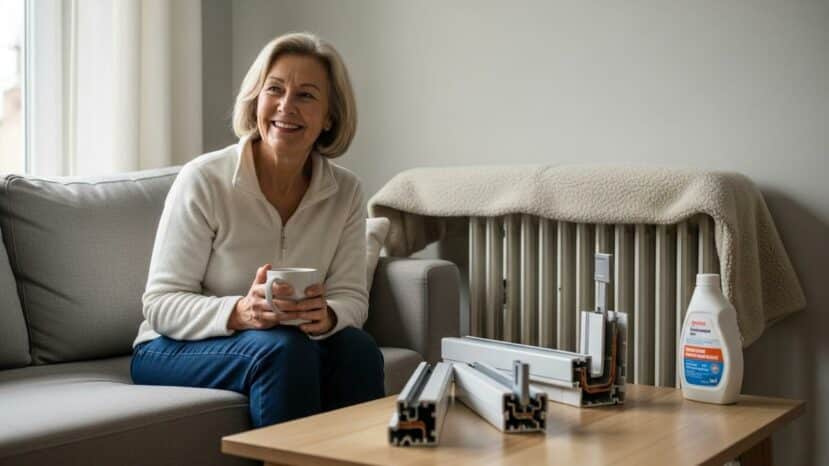
First of all, in cold weather, never hide heat emitters with furniture. Thick curtains and sofas cut off the flow of heat and waste energy. In addition, leave a space of 20 to 30 cm in front of each appliance.
Next, don’t block theair vents or VMC with fabric. In this way, ventilation evacuates humidity and pollutants without excessive temperature drops. On the other hand, caulk stray leaks around doors and baseboards.
Don’t forget window gaps, which are often responsible for draughts. A suitable seal limits infiltration without preventing daily ventilation. As a result, warmth is preserved while healthy air is maintained.
“Comfort comes from a balance of warmth, air and safety.
Radiators and thermostats: correcting preconceived ideas
Many people turn up the thermostat as soon as they feel the cold. However, a reasonable set point is 19°C in living areas. In this way, the temperature rise is gradual, and expenditure kept under control.
In addition, bleed the radiators at the start of the season, then check the pressure. In short, water circulates better and heat is evenly distributed. Annual maintenance also reduces noise, odours and over-consumption.
- Using the oven or gas stove as a heater
- Drying laundry on radiators
- Block convectors with furniture or curtains
- Close air vents and ventilation systems
- Raise the thermostat suddenly or turn it off completely at night
Home safety: what not to improvise
Never use an oven or gas stove to heat a room. In fact, these appliances give off gases and pose a risk. As a result, carbon monoxide poisoning remains a silent threat.
In very cold weather, overloaded power outlets create a danger of overheating. So plug every heating appliance into a dedicated, unobstructed socket. In addition, always unroll extension cords to avoid heat build-up.
Avoid drying clothes on or above radiators. Humidity rises, the home loses degrees and mold grows. So ventilate for 5 to 10 minutes after each wash or shower.
Don’t block the air vents, even when the air seems pungent. A well-maintained mechanical ventilation system prevents condensation, odours and health risks. What’s more, it only takes a few minutes of ventilation to renew the air without a marked drop in temperature.
Humidity and indoor air quality
Humidity makes the walls appear cooler than the ambient air. A stable humidity level means a more comfortable temperature for the same amount of effort. Therefore, limit steam sources and ventilate after cooking.
On the other hand, don’t heat too quickly to “chase away” the cold. Overheating dries out the air and irritates the respiratory tract. So opt for a gentle, steady and verifiable rise in temperature.
Simple gestures that make a difference
Program regular heating periods to suit your household’s schedule. This way, the house remains stable, without extreme cycles or wastage. What’s more, at night, a set temperature of 16 to 17°C is often sufficient.
Every day, open two opposite windows wide for 5 to 10 minutes. In this way, the air is quickly renewed, without a lasting drop in temperature. This routine also reduces odours, pollen and household pollutants.
In the morning, make the most of the sunshine by drawing the curtains and blinds. Then close them as soon as daylight falls to keep the heat in, even in the coldest weather. Also, limit stray draughts by adjusting worn joints.
Instead of a thick sweater, wear layers of clothing. This way, your body stays warm, even when moving, despite the cold. In short, measured gestures and vigilance turn a demanding season into a soothing interlude.




Aucun commentaire
Publier un commentaire
Participez toujours dans le respect de la loi et des personnes.