



L’arnaqueur de Paris: Canal+ investigation reveals the methods of a gastronomy swindler
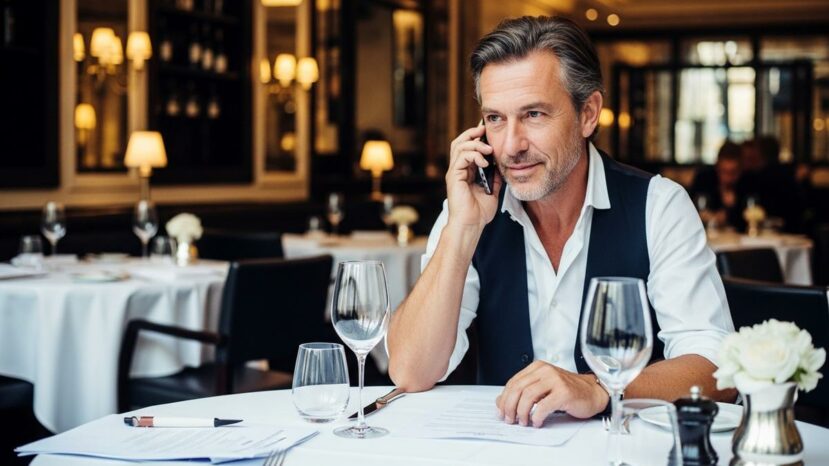
With L’arnaqueur de Paris, Canal+ follows the trail of an impostor. The film tells the story of a swindler born in the heart of Parisian tables. The story questions the weight of prestige and the hunger for recognition.
What the Canal+ survey reveals
The survey is based on a simple observation: promises that are too good to be true. Restaurateurs receive flattering calls, then pressing demands. What’s more, money moves fast when the fear of a false scandal takes hold.
On Canal+, the documentary L’arnaqueur de Paris: Mensonges et gastronomie presents itself as a precise, embodied Documentary. With a running time of 1.5 hours and a year of creation of 2025, it’s a dense format to watch on Canal+.
Journalists gather first-hand accounts, some of them painful. Some professionals describe feeling ashamed, then angry. They also explain how mistrust takes root in the team.
“Trust becomes a weapon when it is misused.”
Victims, witnesses and grey areas
In these testimonials, L’arnaqueur de Paris acts as a revealer. We understand the mechanics of the illusion, without voyeurism. As a result, the film prefers facts to spin.
The team verifies versions with tangible evidence. Cross-calls confirm or refute each lead. In short, the method protects the people involved, and sheds light on the case.
- Warning signs that should alert in service
- Concrete steps in identity verification
- Simple procedures for secure payments
- Common errors found in testimonials
- Best practices shared by professionals
The editing remains sober and legible. Places, dates and flows are all used for intelligibility. On the other hand, emotion is never overpowered by technique.
How the scam was built, step by step
The story provides a clear chronology of the scam. The Paris scammer targets links where pressure is high. Also, busy periods create loopholes in procedures.
The trap often starts with a phone call or message. A snooty title, followed by an urgent request, blows the lid off the safeguards. In this way, a false logistical imperative leads to a real expense.
Yet the signs are there for those who take a step back. Identity inconsistencies, changing IBANs, muted threats. As a result, a reminder of protocol defuses many a scenario.
The film also shows the pack effect on the networks. One name quoted is sometimes enough to trigger panic. Checking the origin and context becomes crucial.
Gastronomy and trust: a risky business
In kitchens and halls, L’arnaqueur de Paris exposes a fragility. The relationship with the customer is based on trust and speed. The quest for excellence can mask a warning sign.
Simple practices can limit this risk without disrupting the welcome. For example, an internal control word for each sensitive reservation. What’s more, two written validations for all unexpected transfers secure the flow.
The documentary insists on shared responsibility. Managers, chefs and front-of-house teams all have a role to play. A short pre-service briefing reminds us of the right reflexes.
Landmarks, tips and the scope of the documentary
What can we learn from this, beyond the case itself? First, write down an anti-fraud protocol adapted to the department. Secondly, appoint a contact person who can be reached, even in the event of an emergency.
The film shows how a well-oiled story can disarm vigilance. That’s why L’arnaqueur de Paris acts as a useful case study. As a result, further training deserves a place on the schedule.
For the audience, it’s all about clarity. It’s easy for anyone to understand how a trick is done, without the need for jargon. What’s more, the visual choices make the steps easy to follow.
The discussion doesn’t stop with the credits. In short, L’arnaqueur de Paris helps to set verification standards. From now on, restaurateurs and guests alike will be more vigilant.


No comments
Post a comment
Always participate in accordance with the law and with respect for others.