



Mouthe: the Doubs village records -36.7°C coldest in France
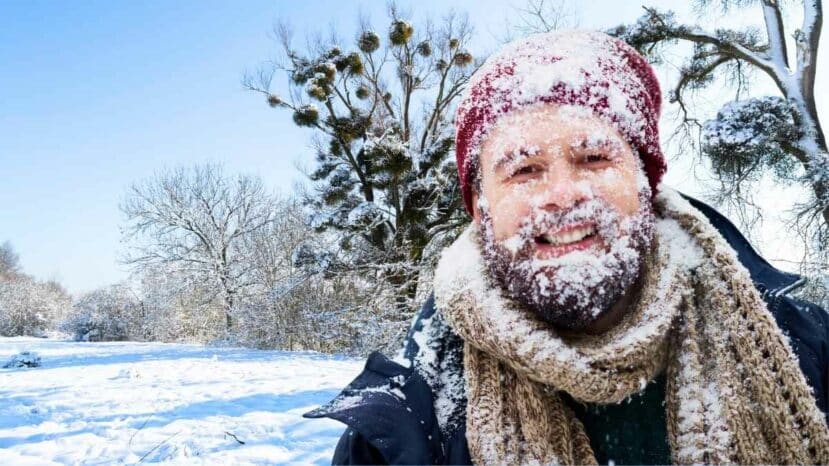
Every winter, a question comes up: which village in France holds the record for coldest weather? It’s a fascinating subject, because extreme temperatures shape lives, landscapes and know-how.
Where the thermometer falls lowest
The reference often cited by Météo-France concerns Mouthe, a village in France’s Doubs region. The official record is -36.7°C, set on January 13, 1968. As a result, this Jura valley has earned the nickname “Little Siberia”.
Why so cold, so often? Because the mountainous terrain forms a basin where cold air becomes trapped, especially at night. What’s more, the snow cover, clear skies and absence of wind amplify the chill.
The mechanisms of extreme cold, step by step
The snow-covered ground radiates heat back into the atmosphere. As a result, air close to the ground cools first, then accumulates at the bottom of the combes. This creates an inversion, blocking the milder layers above.
“Here, winter is not a passage, it’s a way of life.”
Residents adapt their schedules and routes. On the other hand, business never stops in this French village. What’s more, simple equipment such as preheating plugs make early morning departures safer.
For those who come in winter, the experience is striking and beautiful. However, you’ll need technical gloves, breathable layers and insulated footwear. So you can enjoy the scenery without risk, even in the coldest weather.
- Three layers: breathable, insulating and windproof.
- Protect extremities: cap, lined gloves, thick socks.
- Avoid sudden exertion; keep up a steady, hydrated pace.
- Check local weather and road conditions before setting off.
- Prepare the vehicle: battery, antifreeze fluid, scraping and top-up kit.
What the data and history say
Records mention other notable cold snaps, such as 1985 and 2012. Thus, the region shows a recurrence of radiative episodes under anticyclone conditions. This village in France is a good illustration of the persistence of these icy nights.
Measurements are based on approved stations and rigorous protocols. What’s more, the sensors are located according to precise ventilation and sunlight criteria. As a result, published extreme values are based on controlled procedures.
The nuance is important, as other communes sometimes record very low local peaks. The term “coldest” also depends on the period, altitude and method. The village in France often cited here serves as a national benchmark.
Local life between cold and mild
The cold structures the season, but it doesn’t erase the conviviality. So, cafés, Nordic trails and markets punctuate the day. What’s more, the forest provides shelter for short, peaceful strolls.
Services are organized to keep roads, schools and healthcare accessible. Residents also share advice, routes and sometimes wood. This social network is important, especially in a village in France that is very exposed to the elements.
Understanding for better forecasting
The climate is warming, but extremes are not disappearing all of a sudden. On the contrary, they change in frequency, duration and seasonality. Preparing infrastructures is therefore becoming a concrete lever for adaptation.
Snow protects the ground, but it also traps night-time coolness. What’s more, well-insulated roofs reduce condensation and heat loss. The result is greater comfort and lower energy bills.
These realities make it easier to read the map of winter cold. So, choosing to live or travel there requires careful planning. This pragmatic look at the situation will help any village in France exposed to these severe winters.



No comments
Post a comment
Always participate in accordance with the law and with respect for others.