



Women: a study reveals the age of peak fitness
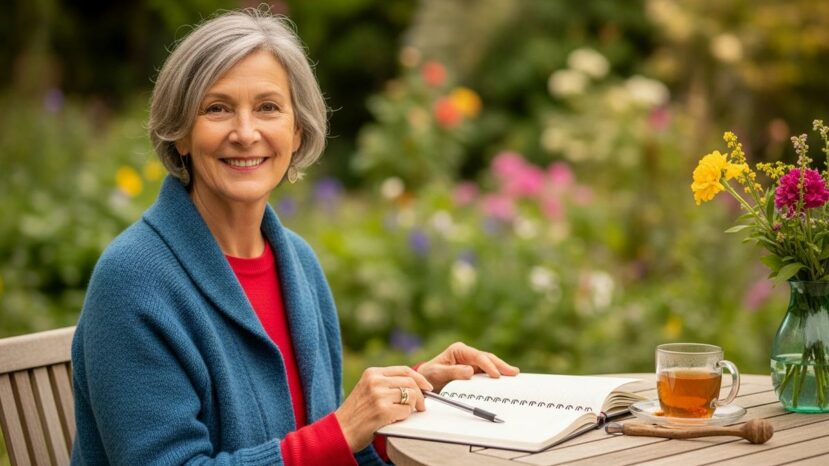
At what point in life do we really feel at our best? A recent study, presented by Elle, points to a pivotal age for women, linked to lifestyle. This “peak” can be explained less by chance than by maturing habits.
What the study says and what it doesn’t say
The work cited is not limited to a single figure. In adult women, it points to clear links between regular physical activitysleep and energy perception. It also highlights the importance of social and professional context.
The central idea is that a pivotal age emerges when experience and regularity meet. However, this age varies according to health, constraints, sleep and personal goals. As a result, no results are meaningful without a patient, personalized reading.
The results often come from declarations and tests adapted to the general public. They shed light on trends, but do not replace individual medical monitoring. However, the basic message remains clear: build a rhythm, then protect it.
“Form rises when training meets an organized daily routine.”
Why a “peak” age may appear
A number of factors converge to create the right conditions for progress. For many women, technique is refined, effort management improves and confidence grows. Also, the body tolerates the load better when recovery follows a clear rhythm.
When it comes to regularity, the mind counts for more than you might think. So setting simple benchmarks helps to keep you going, even in busy weeks. From now on, five concrete axes will serve as your daily compass.
- 150 minutes of moderate effort per week, on average.
- 2 global strengthening sessions, focusing on movement.
- Sleep for 7 to 9 hours, regularly if possible.
- An “easy” session after a heavy day, to keep in rhythm.
- A brief logbook: duration, feeling, recovery.
Chronic stress eats away at desire and disrupts restful sleep. What’s more, motivation varies, which makes it useful to have a flexible plan, ready to adjust. On the other hand, guilt doesn’t help; a shortened session is still a session.
Turning an observation into sustainable action
Moving from observation to action requires an accessible and motivating course. For women aiming for lasting progress, it’s better to anchor habits rather than aim for isolated feats. In this way, the groundwork is laid before any increase in intensity.
Hormonal cycles sometimes call for fine-tuned adaptations that go beyond conventional wisdom. For example, volume is adjusted when energy levels drop, and technique is favoured when they rise. What’s more, keeping a sensations log makes these choices easier.
Fuel conditions both sessions and the following day’s recovery. So, aiming for simple meals, rich in protein, fibre and good fats, stabilizes energy. As a result, you’re better able to tolerate load variations and unforeseen events.
Key appointments need to be spelled out in black and white, and then kept. For some women, blocking off two fixed evenings secures family and professional planning. In this way, sport ceases to be an option and becomes an anchor.
Situate yourself without a complicated test
A good benchmark is steady progress, not social comparison. So, the idea is to do a little better than last month. In short, you follow your own curve, without external noise.
To objectivize breath, time a 12-minute brisk walk along the same route. In addition, note the distance, the feeling and the desire to go on. On the other hand, don’t change the conditions each time you try, so that you can make useful comparisons.
Three weeks to build momentum
Aim for 3 concrete, modest and truly realistic one-week blocks. For women in a hurry, alternate short workouts, targeted mobility and active daily outings. That way, you’ll have a solid base to build on before you start ramping things up.
Week one: focus on rhythm, technique and the right sensations. Also, remember to end each session with five minutes of quiet breathing. In short, the body registers regularity and demands less logistical effort.
Week two: add a little intensity, then take a few clear breaks. In addition, keep one session easy to maintain mental freshness. As a result, progress is built up without fatigue debt.
Week three: Keep the intensity, but cut the duration by around 20%. Also, a short test validates progress, without mental tension or performance pressure. In short, many women find that they feel really comfortable during exercise.



No comments
Post a comment
Always participate in accordance with the law and with respect for others.