



Vietnamese New Year 2026 in Paris and its suburbs: addresses, events and Tet traditions
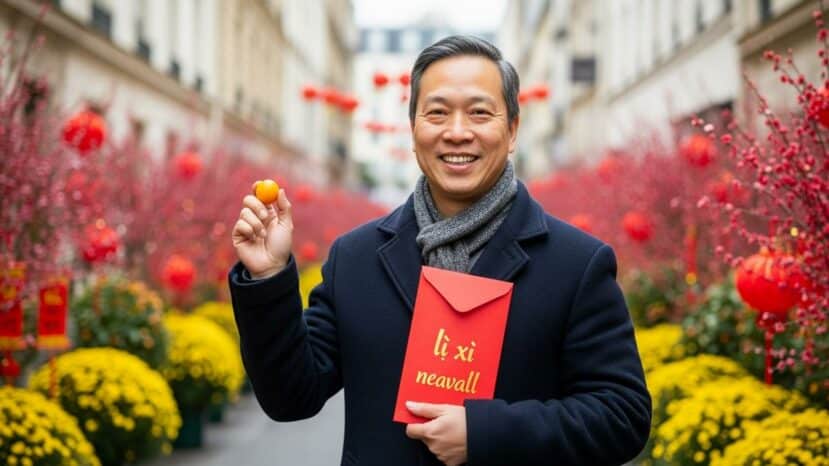
In Paris, winter lights up with Têt, the long-awaited Vietnamese New Year. In 2026, the festival will mark the return of Lunar Spring to the capital. Families and the curious are already looking for ideas for warm, authentic and well-organized outings.
Têt 2026 in Paris: landmarks, rituals and atmosphere
The transition to the sign of the Horse will take place on February 17, 2026, in the heart of the cold season. At this time, the diaspora gathers in Paris and Île-de-France to celebrate with relatives and neighbors. As a result, the festive atmosphere will spread to streets, temples and municipal halls, sometimes lasting several days in a row.
Before the festival, the house is tidied up and the ancestors honoured with respect and gratitude. Red li xi envelopes are prepared for children and elders with kindness. Peach blossoms, ochna and kumquat bring good luck, color and light to gathered households.
Asian neighborhoods light up, with dragons, drums and glittering costumes winding their way through the streets. Timings vary, however, depending on the commune, the association and the unpredictable February weather. For the Vietnamese New Year, make sure you get the right local information before you travel, to avoid any unnecessary disappointment.
“Têt is the warmth of reunion and the hope of a straight and generous year.”
When and where to go out in Île-de-France
The 13th arrondissement often offers family-friendly events around the main shopping streets. Ivry-sur-Seine, Montreuil and Évry-Courcouronnes, for example, sometimes announce accessible ceremonies, exhibitions and intergenerational workshops. The Vietnamese New Year brings together residents, shopkeepers and associations in a spirit of welcome, listening and sharing.
Restaurants are planning special menus, sometimes with live music and emblematic dishes served in sharing. Cultural centers also offer storytelling, calligraphy, lion dancing and culinary initiations for all. Don’t forget to book, as places go fast, especially on busy eves and weekends.
- Confirm the date, place and time with the organizer.
- Prepare liquid for li xi and ephemeral stands.
- Anticipate transport and check for possible detour.
- Dress warmly, comfortably and respectfully.
- Keep a compact, secure bag for your belongings.
Kitchens, symbols and table traditions
On the table, square bánh chưng and cylindrical bánh tet dominate, symbolizing nourishing earth and abundance. In addition, gio lua, pickles, boiled chicken and vegetables flavored with ginger and onion are shared. These dishes are a reminder of the festival’s agricultural origins, and convey wishes for collective prosperity.
Families gather around the hearth, often over several generations, happy to see each other again. As a result, offerings to the temple or altar take precedence, with incense, fruit, teas and cakes. Vietnamese New Year links memory, cuisine and solidarity, and gives meaning to the gestures of shared daily life.
Desserts feature seeds, candied fruits and cheeses with soft, chewy, reassuring textures. The five-fruit platter, on the other hand, sums up wishes for health, wealth, harmony, longevity and peace. Kumquat bonsai, peach and ochna offer color, fragrance and a luminous breath of spring.
Asian supermarkets in the 13th arrondissement are convenient and well-stocked all year round. Belleville and other suburban towns also offer a wide selection of herbs, sauces and banana leaves. But don’t forget the crowds, a sturdy bag and time to compare products calmly.
Practical advice for a soothing moment
Parades attract large crowds, sometimes crowded on narrow sidewalks and crossroads. So keep your schedules flexible, and secure your belongings with a zipped pocket or cross-body bag. During the Vietnamese New Year, be careful around lively scenes and loud drums, especially with children.
When visiting relatives, remove your shoes as you enter, unless otherwise clearly indicated. Also, a wish in Vietnamese pleases: “Chúc Mừng Năm Mới” or “An Khang Thịnh Vượng”. Offer new li xi in a red envelope, and avoid sweeping on the first day.
Agenda 2026: useful tips for getting organized
The heart of the Vietnamese New Year celebrations falls on February 17, 2026, according to the Vietnamese lunar calendar. Nevertheless, events and markets are often held on the weekends around this date, sometimes during the day and sometimes in the evening. Check posters at the town hall or with the organizers, as dates vary according to local authorizations.
Pagodas sometimes announce dawn prayers and afternoon chanting, followed by a time of meditation. So, sober dress, calm gestures and a discreet tone are appreciated in these respected places. Bring fruit, flowers or candles if you can, but don’t bring cameras or flashbulbs.
Families with children can enjoy well-supervised craft workshops, storytelling and traditional games. On the other hand, the noise of the drums can startle the youngest and quickly tire sensitive ears. The Vietnamese New Year remains a convivial occasion, with a few simple precautions, regular breaks and sufficient hydration.
Set aside a budget for meals, transport and gifts, to avoid surprises and manage the event with peace of mind. Also, plan ahead for public transport journeys, which are often busy at rush hour and around parades. As a result, leaving earlier and choosing an alternative route will make your festive day in town much smoother.




No comments
Post a comment
Always participate in accordance with the law and with respect for others.