



Snowboarding or skiing: experts give their verdict on which sport is easier and healthier this winter
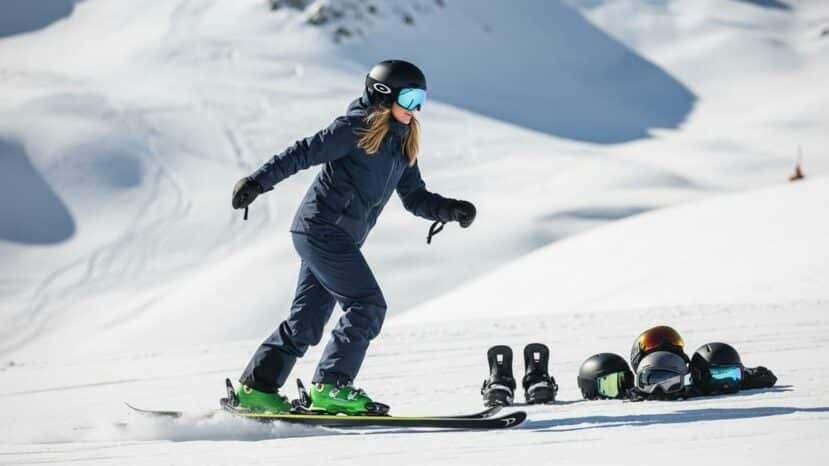
Not sure whether to ski or snowboard for your next outing? Health may be a factor in the choice, as the benefits and risks differ. Here’s what the experts have to say, without preconceived ideas or marketing slogans.
On snow, the body works intensely, but not in the same way. As a result, each practice requires different muscles and joints. This changes prevention, equipment and training on and off the slopes.
Skiing or snowboarding: what do the facts say about health?
First of all, the heart gains with every descent, even on gentle slopes. Sessions of 30 to 60 minutes on varied terrain improve endurance. Cold also stimulates thermogenesis, which increases energy expenditure.
Skiing puts a heavy load on the quadriceps and glutes over time. Snowboarding, on the other hand, puts more strain on the trunk and lateral balance. When it comes to injuries, the knee is more at risk on skis, while the wrist wrist suffers more when snowboarding.
“The best winter sport is the one that respects your body and your pleasure.”
Technical level also weighs in the balance. However, supervised progress quickly reduces falls and joint stress. A targeted course is often worth more than a day of stubbornness without technical reference points.
Injury prevention: simple gestures that make all the difference
Before the first ascent, warm up thoroughly. Aim for 10 to 15 minutes of mobility, sheathing and light squats. Muscles respond better, and ligaments remain protected from the very first minutes.
- Assess the track and visibility before each run.
- Wear an approved helmet and, if necessary, wrist guards.
- Keep regularly hydrated, even in cold weather.
- Stop as soon as the technique deteriorates.
- Adjust bindings and check edges.
Helmets are non-negotiable, as are rigid gloves if you’re just starting out or returning to snowboarding. What’s more, proper binding adjustment limits unnecessary twisting. Well-sharpened skis and boards offer safer control.
Learn to fall without stretching out your hands. Also, roll your shoulder and keep your elbows close to your chest to dissipate the impact. This simple habit spares wrists and shoulders in unexpected falls.
What are the concrete benefits for body and mind?
Snow sports strengthen proprioception. Consequently, snowboarding improves lateral stability and pelvic control. This work then transfers to running, cycling and everyday life, without excessive load.
The mind also improves. What’s more, exposure to the fresh air and concentration on the descent soothe the nervous system. You leave the run with a lighter mental load and a more stable mood.
Cold weather stimulates expenditure, but the pace remains decisive. In short, alternate dynamic phases with calm sequences to maintain reserves. The body recovers better, and your technique remains clean throughout the day.
Skiing, snowboarding and antecedents: how to choose without injuring yourself
History often guides the choice, sometimes more than the desire of the moment. A history of ACL injury, for example, suggests boarding, which is less likely to cause knee rotation. On the other hand, wrist fragility is more likely to lead to skiing, or to the use of dedicated wrist protectors.
The equipment should follow the body, not the other way around. So start with shoulder-width spacing and progressive angles. A well-fitting boot stabilizes the ankle and protects the calf on long days.
Simple pre-snow training program
Four weeks is enough to create a solid foundation and reduce fatigue. For snowboarding, work on lateral sheathing, lunges and balancing on one leg. Right from the start, you’ll feel more stable underfoot.
In addition, favour slow tempos in the eccentric phase. For example, go down in 3 seconds, then come back up with control. In snowboarding, this control translates into fewer parasitic skids.
Add a little plyometrics, but keep it gradual to spare the tendons. Then keep 24 to 48 hours of relative rest before a long weekend. Your snowboard will respond better when your legs are cool.
Keep well hydrated and eat salty foods before the cold and altitude. And protect your skin and eyes, as altitude amplifies UV rays. As a result, your snowboarding remains a lasting pleasure, with no Monday bill.




Aucun commentaire
Publier un commentaire
Participez toujours dans le respect de la loi et des personnes.