



Seine-et-Marne to deploy new urban and autonomous speed cameras in 2026: installation locations
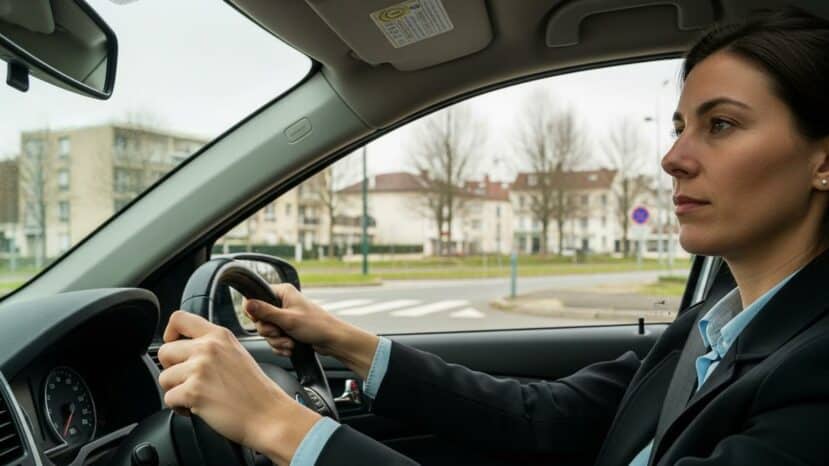
In 2026, a new milestone will be reached in road safety in Seine-et-Marne. The latest generation of speed cameras will appear on urban and suburban roads, with a gradual roll-out. The aim is clear: to reduce speeding and make everyday journeys safer.
What will change on the roads in 2026
The announced plan calls for the installation of 5 urban radars and 16 autonomous radars. These devices will target high-risk areas, close to intersections, schools and pedestrian crossings. In addition, the schedule will be spread out over the year to allow for adjustments to the roll-out.
Speed cameras measure speed in both directions and in several lanes. They can operate in dense areas, where late braking is frequent. This means that speed checks will be more regular at busy times of day.
Autonomous speed cameras are mobile and repositionable. They are used to protect work zones or accident-prone stretches of road. In Seine-et-Marne, they will enable rapid intervention when the local context changes.
“The priority remains saving lives and calming speeds.”
Which devices, for which uses?
Urban radars are designed for cities and urban entrances. Their calibration adapts to the speed limit in force on each road. As a result, they target high-risk behavior near high-traffic areas.
Autonomous radars, on the other hand, can be moved as required. In particular, they protect construction sites and temporary zones. Their deterrent presence also helps to get drivers back on the right track.
- Progressive roll-out over 2026.
- 5 urban radars to support dense areas.
- 16 autonomous radars for evolving sectors.
- Targeted areas: town entrances, crossroads, school approaches.
- Regulatory tolerance: 5 km/h or 5% depending on speed.
Where will the speed cameras be installed in Seine-et-Marne?
The sites selected are based on accident and traffic flow analyses. The French government gives priority to high-exposure locations, particularly during rush hours. As a result, the sites selected will cover urban sectors and transit routes.
Expect to see equipment near sensitive crosswalks. Former “black spots” may also be better monitored. The exact locations, however, will evolve with feedback from the field.
The autonomous radars will move according to periods and construction sites. They will complement the controls already in place on the existing network. As a result, the radar presence will remain more diffuse and less predictable.
How to ride with peace of mind around the new controls
Respect the posted speed limit in all circumstances. The technical margin remains 5 km/h or 5%, depending on the speed. In addition, anticipate slow-downs when approaching junctions.
Keep safe distances to avoid sudden braking. Keep an eye on work areas, where boundaries can change quickly. This reduces the risk of error or inattention.
Drive smoothly, especially in bad weather. Reducing speed slightly improves reaction time. In short, this habit protects pedestrians and two-wheelers.
Impact on local authorities, drivers and safety
For mayors, these installations are a response to recurring local alerts. Residents often ask for concrete measures near schools. Technology is now helping to stabilize speeding in the long term.
For drivers, the challenge is to adjust their habits. The reminder of the rules applies everywhere, even on well-known routes. In this way, everyone reduces the risk of fines and accidents.
Ticketing is subject to strict procedures. Photographs are only taken in the event of a proven offence. As a result, regular, legible driving is all that’s needed to drive with peace of mind in Le 77.
Road safety associations are closely monitoring these deployments. They point out the impact of speed on the severity of collisions. What’s more, they are encouraging the use of additional measures where appropriate.
Frequently asked questions
When will the first radars be active? The exact timetable is progressive over 2026, by zone. The authorities are therefore communicating as and when the radars are commissioned.
What are the criteria for installation? Decisions are based on accident and traffic data. However, adjustments can be made as risks evolve.
What does a speeding driver risk? A fixed fine and deducted points. So respecting road signs is the best protection in Seine-et-Marne.
Practical tips for everyday life and outlook
Before setting off, check the limits on your route. Speeds may vary according to the time of day or the work in progress. This way, you can avoid unpleasant surprises and late braking.
On the road, keep an eye out for signs of the urban context. A crosswalk, a bus stop or a school often indicate a sensitive area. What’s more, visibility can drop rapidly in the rain.
For professionals, consider training regular drivers. Simple reminders about distance, speed and anticipation make all the difference. As a result, your journeys become safer and more consistent.
The 2026 rollout is part of a long-term effort. The results will be evaluated with local authorities and users. In short, the ambition is to make Seine-et-Marne safer in the long term, without penalizing mobility.




Aucun commentaire
Publier un commentaire
Participez toujours dans le respect de la loi et des personnes.