



Kings of France: 10 royal sites to discover in Île-de-France
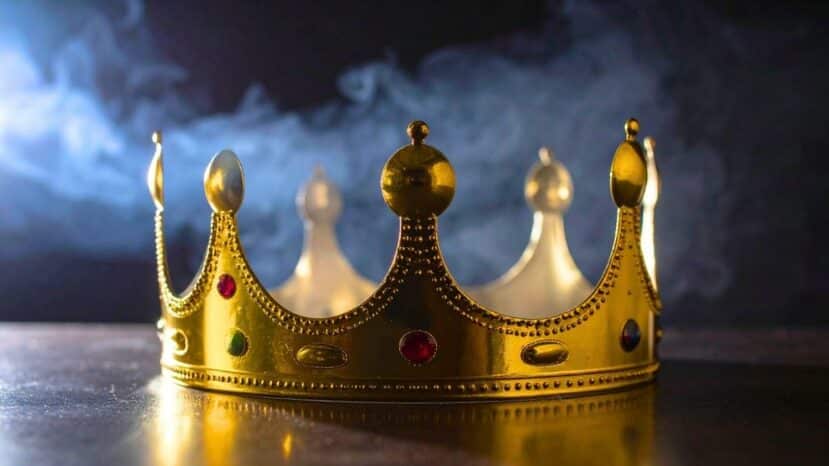
Walking in the footsteps of the kings of France is a unique experience. In Île-de-France, dozens of sites bear witness to this royal history. These places offer a journey back in time, between splendor and court secrets.
Royal heritage in Île-de-France
The Paris region has long been the heart of monarchical power. Castles and basilicas have welcomed sovereigns here for centuries. Each stone tells a different story.
Many visitors seek to relive this glorious era. As a result, historic sites attract millions of curious visitors every year. The appeal of royal heritage continues unabated.
These monuments have stood the test of time and revolution. Yet they retain their original splendor. Visiting them will give you a better understanding of the France of yesterday.
“These palaces are silent witnesses to the intrigues, parties and decisions that have shaped our nation.”
Versailles, the absolute symbol of royal power
The Château de Versailles embodies the power of the kings of France. Louis XIV created a showcase for his court. Today, the palace welcomes nearly 8 million visitors a year.
The Hall of Mirrors is a must-see. In addition, the gardens designed by Le Nôtre offer a majestic promenade. Every corner of the estate evokes monarchic grandeur.
The royal apartments reveal the daily life of the sovereigns. By contrast, the outbuildings reveal the lives of thousands of servants. This duality fascinates history buffs.
- Château de Versailles: residence of Louis XIV to Louis XVI
- Saint-Denis Basilica: necropolis of French sovereigns
- Château de Fontainebleau: home to 34 monarchs
- Château de Vincennes: royal medieval fortress
- Palais du Louvre: former residence of kings in Paris
Saint-Denis, last resting place of monarchs
The Basilica of Saint-Denis is home to the graves of 43 kings of France. This sacred site bears witness to thirteen centuries of history. The sculpted recumbent statues are unique in the world.
As early as the 6th century, sovereigns chose this site for their eternal rest. Dagobert was the first to be buried here. The tradition continued until Louis XVIII.
The Revolution desecrated these tombs in 1793. However, the bones were later reassembled. Today, the basilica once again honors the royal memory.
Visitors can admire masterpieces of funerary sculpture. As a result, this site attracts art and history enthusiasts alike. The emotion is palpable.
Fontainebleau, the castle of a thousand lives
The Château de Fontainebleau has been home to the kings of France for eight centuries. From Louis VII to Napoleon III, they have all stayed here. This longevity makes it an exceptional place.
Renaissance decorations rub shoulders with 19th-century fittings. Each era has left its mark on the rooms. The diversity of styles surprises visitors.
Francis I brought renowned Italian artists here. Napoleon Bonaparte, on the other hand, preferred to install his imperial throne here. The château thus reflects the evolution of power.
The Louvre, from fortress to museum
Before it was a museum, the Louvre was home to sovereigns. Philippe Auguste built a fortress there in the 12th century. The kings of France enlarged it over the years.
The Cour Carrée and the colonnade bear witness to this history. Napoleon III’s apartments have also been preserved. They reveal the splendor of palatial life.
Charles V was the first to take up permanent residence here. However, Louis XIV abandoned the palace for Versailles. This departure marked a turning point in the history of the site.
Today, visitors can still see the medieval foundations. As a result, the Louvre offers a journey through the centuries. This wealth of history complements its artistic collections.


Aucun commentaire
Publier un commentaire
Participez toujours dans le respect de la loi et des personnes.