



Paris skies: why they could turn orange in the next few days due to this weather phenomenon
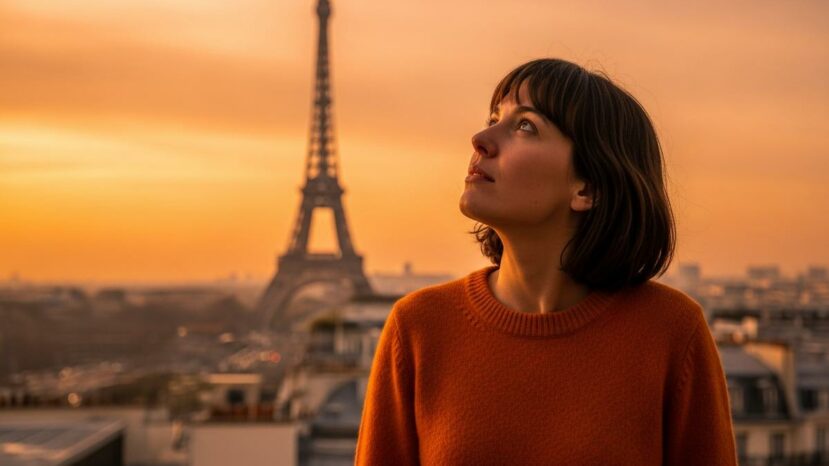
For the past few days, a strange sight has been unfolding over the French capital. The skies over Paris have taken on unusual orange hues, arousing curiosity and questions among residents. This exceptional weather situation has its origins in a natural phenomenon well known to experts.
Orange-tinted skies: Saharan sand invades Paris in 2026
Parisians have been looking up in amazement over the past few days. An orange haze has enveloped the City of Light since the beginning of the week. This colorful veil transforms sunsets into veritable tableaux vivants.
This spectacular phenomenon originates directly from the Sahara desert. Powerful winds lifted immense quantities of fine sand particles. As a result, these dust particles crossed the Mediterranean to reach France.
Current weather conditions favor this large-scale atmospheric transport. High-pressure conditions keep these particles suspended in the air. As a result, the sky retains its characteristic copper hue for several days.
How does sand from the Sahara travel to France?
The mechanism remains fascinating in its simplicity. African sandstorms hurl billions of particles several kilometers into the air. These microscopic grains, less than 10 micrometers in diameter, float in atmospheric currents.
“This natural phenomenon occurs regularly, but its intensity varies with the seasons and climatic conditions.”
Southerly flows then carry this dusty mass towards Europe. The journey can take between 24 and 72 hours, depending on wind strength. In addition, the absence of precipitation allows particles to remain in suspension for longer.
This air journey sometimes covers more than 3,000 kilometers. The weather plays a decisive role in determining the extent of the phenomenon. On the other hand, heavy rainfall would quickly wash out the atmosphere.
The impact on air quality and the health of local residents
This Saharan intrusion is not without effects on the daily lives of the people of Paris. Air quality monitoring services reported high concentrations of fine particles. As a result, alerts have been issued for sensitive individuals.
- Limiting intense outdoor sports activities
- Masks recommended for frail persons
- Closing windows during peak hours
- Rinsing garden fruit and vegetables before consumption
- Regular cleaning of vehicles to prevent scratches
Asthma sufferers need to be extra vigilant. These fine particles can irritate the respiratory tract. Doctors therefore advise you to keep your medication close at hand.
Motorists are also experiencing practical inconveniences. A fine layer of ochre dust covers bodywork every morning. However, it’s best to wait until the episode is over before washing your car.
Weather forecasts indicate that this phenomenon should persist for another three to four days. Then, a change in the atmospheric regime should bring back more classic skies. The forecast rainfall will help to clear the atmosphere.
A visual spectacle that fascinates photographers
Despite these inconveniences, many people enjoy this rare sight. Social networks are full of shots in unreal colors. The Eiffel Tower bathed in this amber light makes for striking images.
Sunsets take on particularly intense hues. Reds and oranges dominate the horizon for long minutes. Amateur photographers now look forward to these special moments.
The atmosphere is reminiscent of science-fiction films. Some neighborhoods seem to have been plunged into a Martian universe. It’s the perfect opportunity to immortalize Paris in a whole new light.
A weather phenomenon that is becoming increasingly frequent with climate change
Scientists are observing an increase in these Saharan episodes. Global warming is intensifying sandstorms in North Africa. As a result, Europe is receiving more desert dust than ever before.
In 2026, this is already the third major episode recorded since January. This increased frequency is raising questions among climatologists. Models predict an increase in the number of such events over the coming decades.
Nevertheless, this dust plays an important ecological role. It fertilizes European soils with valuable minerals. It also feeds oceanic phytoplankton when it falls back into the sea.
Mediterranean weather facilitates these intrusions during certain periods. Spring and autumn remain the most propitious seasons. Residents will have to get used to these regular colored skies.


No comments
Post a comment
Always participate in accordance with the law and with respect for others.