



Freestyle swimming: why specialists recommend it in 2026 to stay in shape
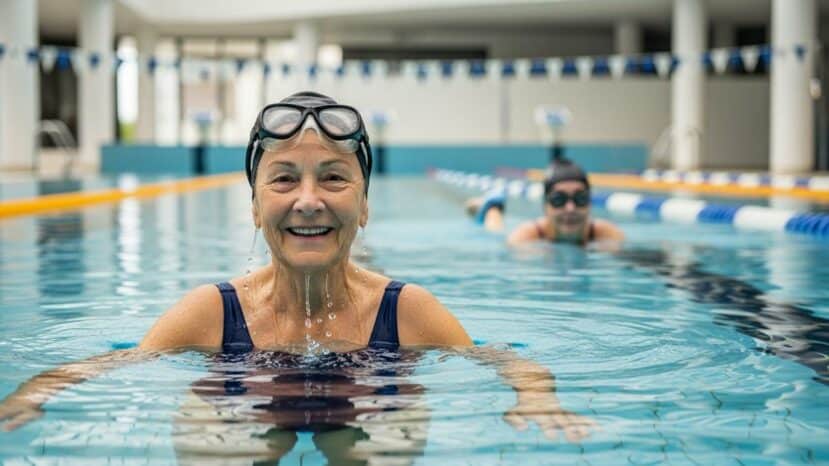
In 2026, an aquatic discipline is attracting more and more enthusiasts to French swimming pools. Freestyle swimming is the year’s must-do physical activity. What’s all the fuss about? Sports and health experts shed light on this phenomenon.
Freestyle swimming in 2026: an ongoing success story
The figures speak for themselves. Since the beginning of the year, pool registrations have jumped by 23% compared to last year. This spectacular increase reflects a growing need to reconnect with one’s body.
What’s more, the French are looking for activities that are gentle on their joints. Swimming is the perfect answer. It burns calories without traumatizing the body.
What’s more, sports coaches are noticing a younger audience. From those in their thirties to senior citizens, all are enthusiastic about this accessible sport. As a result, evening sessions are often fully booked.
“Freestyle swimming offers unique freedom of movement. Everyone can adapt their rhythm and technique to suit the mood of the moment.”
Why specialists recommend this practice
Physiotherapists have been extolling the virtues of this discipline for a long time. In 2026, their words are finally being heard by the general public. The medical profession agrees on its multiple benefits.
Firstly, it involves over 300 muscles simultaneously. Secondly, it significantly improves breathing capacity. Finally, it reduces stress thanks to the soothing effect of water.
- Complete muscle strengthening with no impact on joints
- Improved posture and back flexibility
- Reduce stress and anxiety in just a few sessions
- High calorie burn: up to 600 calories per hour
- Accessibility for all ages and abilities
Concrete benefits for body and mind
Regular swimming gently transforms your figure. The arms become slimmer, the back more muscular and the legs more toned. On the other hand, unlike running, no joint pain spoils the effort.
Mentally, the effects are quickly felt. Immersion in the water creates a bubble of calm. Negative thoughts fade away with each lap.
Yet many still hesitate to take the plunge. Fear of how others will look at them holds some beginners back. Pools are now offering reserved slots for novices to remove these obstacles.
As a result, the atmosphere in the pools becomes more benevolent. Everyone progresses at their own pace, without judgment. This trend is helping to win the loyalty of new swimmers.
How to start freestyle swimming with confidence
Starting gently remains the key to success. Instructors recommend two 30-minute sessions a week for beginners. This pace allows the body to adapt gradually.
The choice of equipment is also very important. A comfortable swimsuit and well-fitting goggles are enough to get you started. Fins and fins come later.
Finally, varying your strokes enriches your practice. Front crawl puts more strain on the shoulders. Breaststroke works the thighs and adductors. Alternating styles avoids monotony.
Freestyle swimming versus other sports
Compared to running, this discipline is gentle on knees and ankles. A strong argument for athletes over 40. Sports doctors often prescribe it for rehabilitation.
Compared to cycling, it has the advantage of working the upper body. Swimmers develop harmonious muscles. Their posture naturally improves on a daily basis.
However, it does require access to a swimming pool. This logistical constraint can be a deterrent for some. Fortunately, local authorities are increasing the number of aquatic facilities available this year.
In short, freestyle swimming has a lot going for it. Its accessibility, proven benefits and soothing qualities explain its triumph in 2026. Swimming pools are still filling up.


No comments
Post a comment
Always participate in accordance with the law and with respect for others.