



Coloring after 60: the 3 shades that age according to this hairdresser and those to adopt
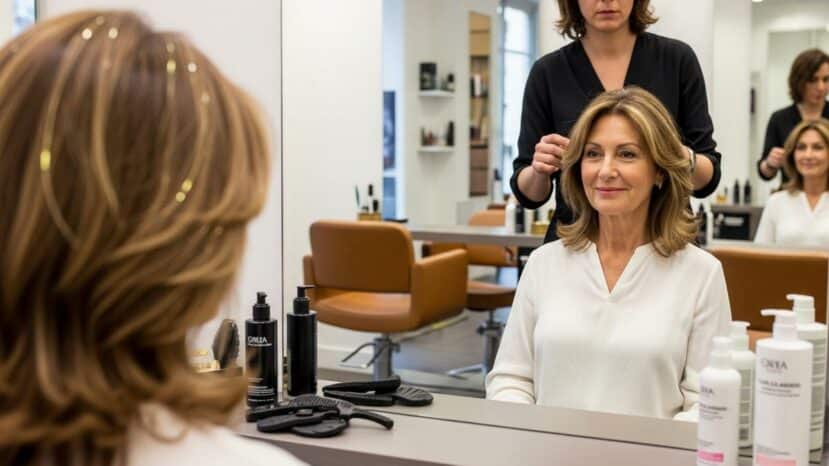
After the age of 60, choosing the right shade for your hair becomes a real challenge. Unfortunately, some hair colors can age the face instead of enhancing it. A professional hairdresser reveals the three mistakes to avoid in 2026 to maintain a modern, youthful look.
Why certain shades age the face after 60
Choosing a hair color is not a matter of chance, especially after a certain age. Skin tone changes with age. It often loses its natural radiance and takes on different shades.
As a result, a shade that was perfectly suitable at age 40 can become unsuitable two decades later. Hair professionals regularly observe this mistake in their salons. Understanding the pitfalls can help youavoid disappointing results.
What’s more, some women remain faithful to their usual color without ever questioning it. But this loyalty can play tricks over time.
“Some colorations create too harsh a contrast with mature skin and accentuate the signs of aging.”
Raven black – a classic mistake
The first color to avoid is definitely intense black. This very dark shade creates a striking contrast with naturally lightening skin. The result is significantly harder facial features.
On the other hand, softer shades such as chocolate brown or warm chestnut are far more flattering. These shades add warmth without creating that dreaded aging effect. They can also subtly mask white hair.
- Raven black accentuates wrinkles and dark circles
- Cool tones contrast too much with mature skin
- Warm chestnut naturally softens features
- Golden highlights brighten the complexion
- A color that’s too uniform lacks dimension
Bright copper colors – a common pitfall
The second mistake concerns intense reds and flamboyant coppers. These shades are certainly eye-catching, but not always in the right way. They can highlight skin redness and imperfections.
But that doesn’t mean you have to give up on warm highlights. On the contrary, a light coppery color or subtle auburn can add a lot of life. The key is moderation and the choice of more natural tones.
What’s more, these shades require regular maintenance, as they quickly lose their shine. Frequent visits to the hairdresser become necessary to maintain a harmonious result.
The importance of choosing the right shades
Experts now recommend coloring that respects the natural base tone. Going too far from your original color often creates a visible mismatch. This shift can create an unflattering, artificial look.
Similarly, the technique used plays an essential role in the final result. Light sweeps and subtle highlights create a more natural effect. This approach avoids sharp demarcation at regrowth.
Uniform platinum blonde – the false friend of mature women
The third problematic color is very light blond, applied evenly. This shade may seem a logical solution for camouflaging white hair. But it has several major drawbacks.
First, uniform platinum blond lacks depth and dimension. It can make the face look dull and tired. Secondly, this color requires constant care to avoid unsightly yellow highlights.
Professionals therefore suggest more nuanced blonds. Honey, sand or champagne tones offer a far more flattering alternative. These shades add light without obliterating facial features.
Ultimately, the secret to beautiful hair color after 60 lies in balance. Not too dark, not too light, not too bright – the ideal shade simply has to sublimate what nature has given. Consult a professional to find the perfect color for every woman.
No comments
Post a comment
Always participate in accordance with the law and with respect for others.