



Line 18 of the Grand Paris Express: the world’s second-fastest metro travels at 110 km/h
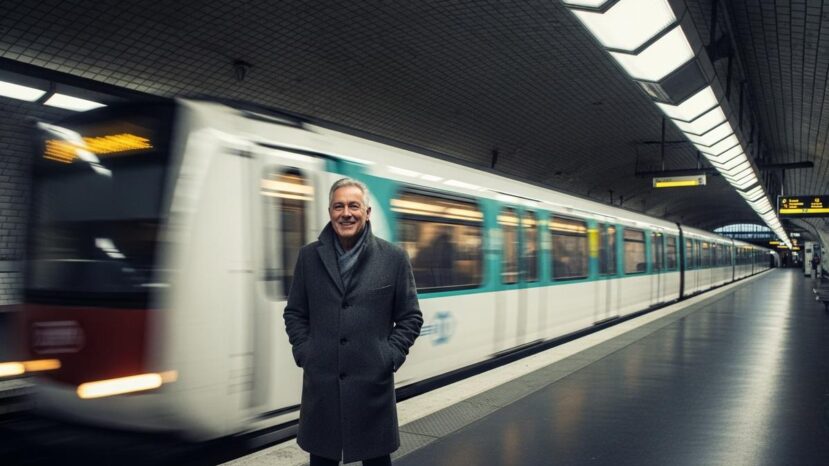
The Paris metro is about to reach a new performance milestone. As work on line 18 of the Grand Paris Express makes rapid progress, initial tests have revealed spectacular results. By the end of the year, Paris could be home to one of the fastest lines in the world.
Records continue to pile up for the Paris region network
For over 125 years, the metro has enabled Parisians to travel efficiently throughout the capital and the surrounding area. Over the decades, this historic network has continued to evolve, becoming ever more efficient and extensive. Today, it boasts a number of remarkable worldwide distinctions.
As a result, Paris has some of the oldest underground networks in the world. The world’s largest underground station is also located in the capital. What’s more, line 14 was recently voted one of the best in the world. Now, line 18 is set to add to this already impressive list.
The Grand Paris Express, a project of European scope
The Grand Paris Express is one of the biggest transport projects in Europe today. Designed to be ultra-modern, the network promises unprecedented technological prowess. The first real-life tests confirm these ambitions, and even exceed initial expectations.
Line 18 is a perfect illustration of this new generation of infrastructure. A blend of modernity and performance, it embodies the vision of urban mobility rethought for the 21st century. Engineers have relied on cutting-edge technologies to optimize every aspect of the journey.
“The top speeds recorded during the tests place Paris among the metropolises with the most efficient metros in the world.
Impressive test speed record
During the first tests on line 18, a top speed of 110 km/h was recorded. The tests took place between Massy-Palaiseau and Christ-de-Saclay stations. This performance shatters the record previously held by line 14 of no less than 30 km/h.
Line 14 boasts an average speed of 40 km/h, with peak speeds of up to 80 km/h. Line 18, however, goes well beyond this, reaching 110 km/h. This technological leap marks a significant evolution in the design of new lines for the Paris region network.
The line is scheduled to open by the end of 2026. Service is even scheduled for October 2026 between Massy and Plateau de Saclay. Users will then be able to benefit from this automatic aerial tramway offering unprecedented comfort.
- 110 km/h top speed recorded during tests
- Expected average operating speed between 55 and 65 km/h
- 350-passenger capacity per train
- Modern amenities: air conditioning, Wi-Fi and USB-C sockets
- Upgradeable lighting system for different times of day
More measured daily use
On a day-to-day basis, the future carriages of line 18 will not run at this maximum speed all the time. The average speed will be between 55 and 65 km/h, as on all other new lines. This adaptation guarantees passenger safety and comfort, while optimizing journey times.
As a result, time gains remain significant compared with the historic lines. The section between Massy-Palaiseau and Plateau de Saclay will benefit from fast, efficient service. Inhabitants of these areas will benefit from easier access to the capital and surrounding business hubs.
The world’s second fastest metro
With a peak speed of 110 km/h, line 18 becomes the second-fastest metro in the world. It is just behind the Guangzhou metro in China, which can reach 135 km/h. This performance even surpasses that of some of the TER trains operating in the provinces.
What’s more, by winning this silver medal, the Parisian train relegates London’s underground to third place. The British network reaches 100 km/h top speed. This international comparison underlines the technical excellence of the Grand Paris Express and positions the French capital among the world leaders in urban transport.
The first train unveiled boasts some remarkable technical features. This automatic metro can accommodate up to 350 passengers simultaneously. It features air conditioning, Wi-Fi and USB-C sockets for recharging devices. Finally, an evolving lighting system adapts to different times of day, creating a pleasant atmosphere for passengers.
This aerial metro symbolizes the modernization of the Paris network and Paris’ ambition to remain at the forefront of innovation in mobility. When it opens in 2026, it will transform the daily commutes of thousands of users and enhance the attractiveness of the Plateau de Saclay, a major scientific and technological hub.



Aucun commentaire
Publier un commentaire
Participez toujours dans le respect de la loi et des personnes.