



A vet reveals the olfactory sign in dogs and cats that can warn of a serious illness
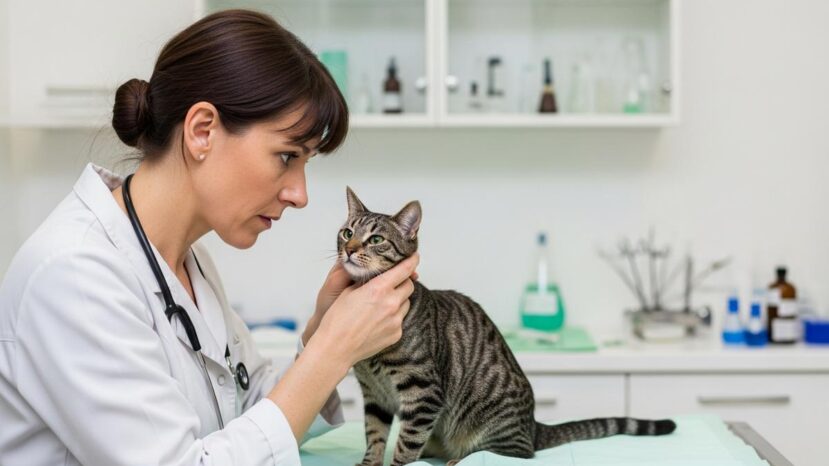
Pet owners are often alert to visible signs of illness in their dogs and cats. Yet a subtle olfactory symptom can reveal a critical state of health. A specialist in veterinary care for older pets now alerts us to this little-known warning signal that deserves our full attention.
Pets occupy a central place in many homes in Paris and beyond. Dogs and cats share their owners’ daily lives for many years, but their physical condition changes with age. Certain illnesses can appear gradually, making regular medical check-ups all the more important.
A specialized veterinarian raises awareness on social networks
In recent years, a number of professionals have been using social networks to alert homeowners to warning signs. Among them, Dr. Faith Banks stands out for her expertise. This veterinarian specializing in geriatrics and palliative care for animals regularly publishes videos to explain the physical changes associated with aging.
Her work focuses on signs that are little-known to the general public, but which are nonetheless indicative of a health problem. Her aim is to help owners better understand their pets. Her educational approach appeals to a wide audience, all of whom are concerned about animal welfare.
A case study from a home visit
In one of her videos, the vet recounts a situation she encountered during a home surgery. She had been called to a couple’s home to euthanize their sick cat. When discussing the case with the owners, one of them explained that he had noticed something unusual.
The general smell of their cat seemed different to him, but the change was most noticeable in his mouth. This seemingly innocuous detail had a very specific medical explanation. The specialist explained that it was a phenomenon observed in animals suffering from certain serious illnesses.
“This is due to the accumulation of toxins in the body: the blood, which passes through the kidneys, is no longer filtered properly. This waste accumulates and causes the smell.
The biological mechanism behind this particular smell
The vet points out that this olfactory change can take a particular form. She explains that the smell can be reminiscent of ammonia. This phenomenon is a sign of advanced renal dysfunction, where toxins are no longer eliminated properly by the body.
When the kidneys no longer filter the blood efficiently, metabolic waste accumulates in the animal’s body. These toxins eventually diffuse through the breath and even the skin. This is why owners can sometimes detect this smell even before other symptoms appear.
This olfactory sign is therefore a valuable indicator of the animal’s state of health. Yet many owners fail to notice or pay attention to it. Awareness of this symptom can lead to earlier treatment.
- Ammonia-like odor in the mouth
- Perceptible change in the animal’s overall odor
- Sign of toxin accumulation in the body
- Indicator of advanced renal dysfunction
- Warning signal sometimes preceded by other visible symptoms
Other pathologies can modify breath
Other illnesses can also alter the smell of an animal’s breath. Diabetes, for example, can produce a sweeter smell. Certain liver diseases also generate characteristic olfactory changes.
In any case, these variations are often a sign that the body is no longer functioning normally. They should therefore prompt owners to consult a professional as soon as possible. A precise diagnosis will enable us to assess the treatment options available and provide the best possible support for the animal.
The importance of daily vigilance
This specialist veterinarian ‘s awareness campaign highlights the importance of careful observation on a daily basis. Owners spend a lot of time with their pets, and are in the best position to detect subtle changes. A simple olfactory detail can save a life, or make for a more serene companionship.
On the other hand, you shouldn’t panic in the face of any unusual smell. Every animal has its own smell, which can vary according to diet or environment. But a marked and persistent change always warrants a veterinary consultation.
Animal health professionals therefore encourage owners to remain vigilant without becoming anxious. This balanced approach promotes a better quality of life for pets, especially at the end of life. Communication between owners and veterinarians remains the key to appropriate, respectful care.




Aucun commentaire
Publier un commentaire
Participez toujours dans le respect de la loi et des personnes.