France’s most beautiful village: a magnet for holidaymakers


The little France of postcards is back at the center of departure desires. A village recently put in the limelight is just what you’re looking for. Thanks to its heritage label, the address becomes a credible rendezvous for the next vacation.
Why this place is so appealing from the very first stroll
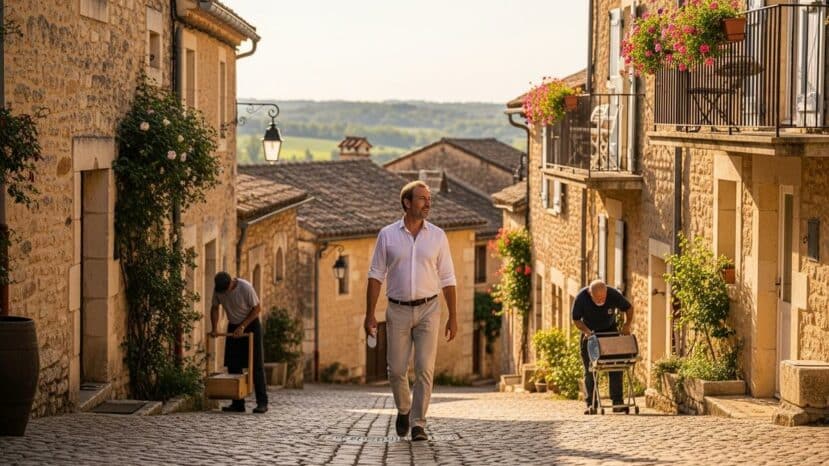
Golden stones, cool alleyways and working craftsmen give Bonneval-Sur-Arc a distinctive look. In this way, the visit is on a human scale, with no rush or early-morning tension. What’s more, the landscaped setting envelops the photos like a natural, unadorned studio.
The original article highlights the recent and well-deserved reputation of this village in Bonneval-Sur-Arc. And yet, the address has lost none of its daily gentleness or rhythm. And the local welcome remains open, with clear opening hours and careful signage.
What to remember about the election and the label
The national label is awarded to towns with a coherent, living heritage that can be understood by all. This means that lighting, restoration and cultural activities really count in the final assessment. What’s more, the effect on the local economy can be measured quickly, from the very first months.
“
Beauty attracts, kind attention keeps you coming back”
According to Biba Magazine, the spotlight is accompanied by useful points of reference to help you get organized. Consequently, booking accommodation early avoids sudden price rises and limited choices at Bonneval-Sur-Arc. On the other hand, arriving during the week makes traffic flow more smoothly and eases the settling-in process.
Preparing for a peaceful, responsible holiday
Stick to a simple schedule: mornings for heritage, late afternoons for village terraces. In this way, a 48-hour stay can focus on the essentials, without sacrificing breaks. What’s more, a second visit out of season reveals other lights and other conversations.
- Call the office before departure for times and sites.
- Book guided tours at least 72 hours in advance.
- Bring cash for parking, markets and small stores.
- Bring closed shoes, light windbreaker and sun protection.
- Save offline routes and local emergency contacts.
When it comes to transportation, the car remains the pragmatic choice, but consider carpooling to reduce costs. On the other hand, taking the train to a nearby town, then a shuttle bus, reduces stress. Also, check access to the village and parking before you leave.
On the budget side, expect an average price for a quiet, well-located room. Plan for 2 to 3 meals on site, supporting local restaurants. As a result, keep a margin for guided tours, tastings and useful small purchases.
Ethics count, especially in high season and during special events. However, remaining discreet near homes and respecting fences protects peace and quiet. Also, carry a filtering water bottle and limit waste to the right place.
To see, to taste, to understand
Start at the church, then follow the grid of ramparts and ancient gates. In this way, you can read history in stone, alignments and perspectives. What’s more, an often-signposted belvedere offers a clear panorama of the village.
Then move on to the table for a simple, straightforward lunch. On the other hand, look for places that serve local, seasonal food and reasonable portions. As a result, a daily menu is often enough to capture the spirit of the place.
When to go and how to avoid the crowds
Spring and autumn offer calm hues and modest flows. Light softens the village’s facades and alleyways all day long. What’s more, the weather remains flexible, with no marked excesses, ideal for walks.
In summer, the crowds swell after 11 a.m., especially around the major monuments. As a result, arriving early makes a big difference to your visit and photo opportunities. Also, a lunch break away from the main roads makes the afternoon more breathable.
In case of rain, aim for workshops, museums, tastings and covered paths if available. However, a guided reading of the facades takes 60 to 90 well-invested minutes. You’ll leave with a solid understanding, clear reference points and sharp images.