
Plays in Paris in January 2026: what to see
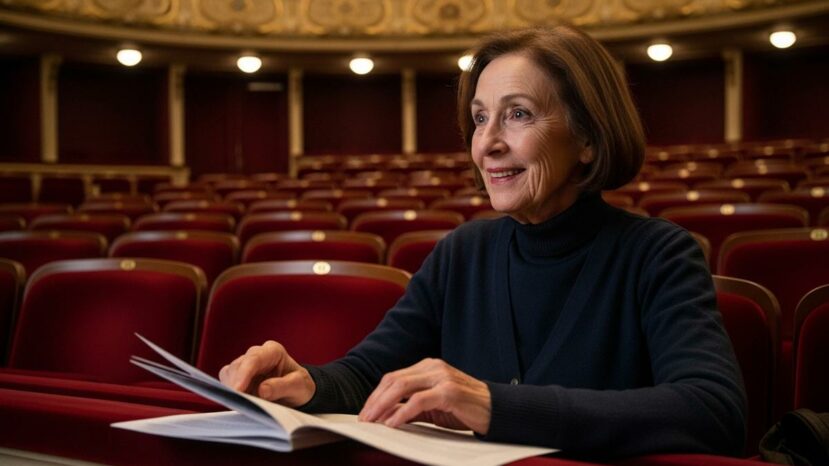


In January 2026Paris reignites its stages after the festive season and the calm of the vacations. Plays return with new creations and eagerly awaited revivals in several districts. So you can start planning your stress-free cultural evenings right now, with audiences in mind.
January 2026 in Paris: trends and benchmarks
The start of the year has seen a mix of comedies, classics and contemporary writing, with very strong casts. What’s more, some companies are offering short after-work formats, designed to bring the day to a gentle close. Plays rub shoulders with hybrid forms, between music and storytelling, according to the guide of the month.
Larger venues program headliners, often from the cinema or French TV series. On the other hand, local theaters focus on emerging talent, with first works and local companies. The capital offers a wide choice in every arrondissement, from the center to the outskirts.
You’ll see confirmed revivals and national premieres, announced progressively by the artistic teams. In this way, the January 2026 calendar remains dense but clear, with different rhythms for different venues. So, for plays, a simple reference helps: check the recommended ages and duration.
“Theater brings people together, even when winter settles over the city.”
Practical: schedules, duration, room comfort
Evening sessions start between 7 and 8:30 p.m., depending on the venue and capacity. What’s more, there are weekend matinees, useful for families and early risers. As a result, you can adjust transportation and meals without pressure, even on rainy evenings.
Most stages announce an approximate running time on the poster and at the box office. Depending on the director, you can expect the performance to last between 1 h 20 and 2 h 30, including or excluding intermission. For plays, this range avoids scheduling bottlenecks and late performances.
- Check the exact time and the presence of an intermission.
- Confirm latecomer access policy.
- Choose a spot according to visibility and acoustics.
- Plan the return journey according to the end of the session.
- Consult the cast and possible replacements.
Book at the right time and choose your seat
Quotas change quickly when new shows are announced, and when extensions are announced late. So setting up a ticketing alert avoids sudden sell-outs and queues at the box office. In short, your budget stays more under control when you anticipate, especially for weekend evenings.
Seating plans help to avoid posts and blind spots, sometimes indicated by a pictogram. In addition, side seats can offer good value for money for a first contact. For high-demand plays, aiming for the middle of the row early on pays off in terms of comfort.
Some categories are marked as reduced visibility by the venue and the producer. On the other hand, they are ideal for a second visit or a discovery, when the play takes precedence over the scenography. In this way, you can approach the work without incurring high costs, while maintaining a good listening experience.
Accessibility, surtitling and young audiences
Many theatres have PMR access and audio loops, sometimes with special reservations. French or English surtitles also appear on several productions, depending on the venue and the day. For plays intended for everyone, these options make all the difference and open up the venue.
Workshops and “bords de plateau” make it easier for high-school and university students, who are often inquisitive, to get involved. In short, a time of exchange sheds light on the context of the works, even when the subject seems difficult. As a result, the outing takes on a real educational value, useful for debate and understanding.
Tips for outings and the spectator experience
Arriving fifteen minutes before the room opens is still prudent and provides a useful margin. This way, you can settle in calmly and locate the exits, without getting in the way of the reception team. For first-week plays, the crowds can be surprising, especially at the bows.
Remember to put your phone on airplane mode, then put it away before it gets dark. What’s more, light can interfere with your surroundings and the performance of screen-sensitive actors. On the other hand, it’s sometimes possible to take a photo that’s authorized for saluting, without flash or prolonged exposure.
After the show, write down your impressions while they’re still fresh, in a notebook or app. This makes it easier to compare the offerings seen that month, and to refine your tastes. Last but not least, some plays are back on tour, prolonging the cultural momentum of the season.