
Cholesterol: 2 foods help regulate blood lipids, say doctors
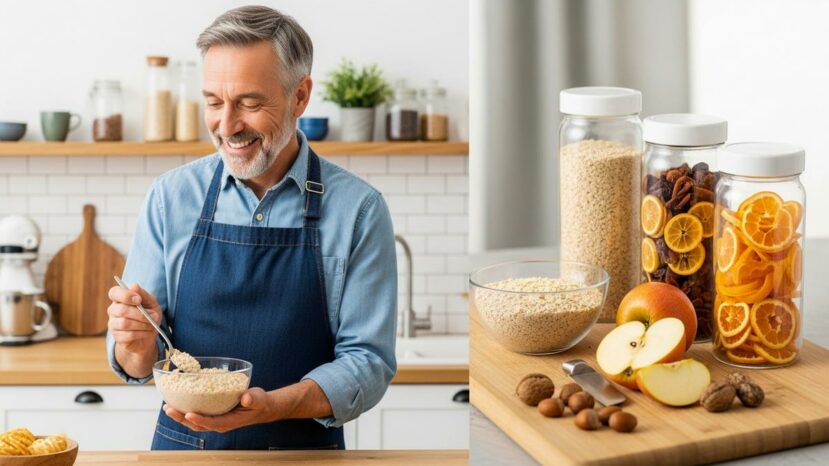


Many people are looking for reliable solutions to get a grip on their cholesterol without turning their lives upside down. According to doctors, two simple foods stand out for their effectiveness, thanks to specific, highly active fibers. So, an adapted dietary routine can already transform your relationship with blood lipids.
Two foods favoured by doctors
Two ancient cereals are at the forefront of prevention advice. Oats and barley provide special soluble fibers called beta-glucans. What’s more, these fibers act immediately upon digestion to slow the absorption of cholesterol.
These grains are easy to cook every day, from breakfast to dinner. They also provide a satiating and gentle base for blood sugar levels. Their benefits are reinforced by a varied, regular diet.
Why these fibers make all the difference
Beta-glucans form a viscous gel in the intestine, where they trap bile acids. As a result, the body uses more lipids to make new ones. This repeated action helps the body to rebalance its lipid profile.
“
Eating oats on a daily basis remains a simple and protective gesture”
Soluble fibers also slow down gastric emptying, which prolongs satiety. In this way, they help to distribute food intake more evenly throughout the day. This regulation helps lower bad LDL cholesterol.
How to integrate them into everyday life
Starting the morning with a bowl of warm oats, like porridge, makes it easier to get into the habit. A pearl barley soup in the evening, on the other hand, is gentle and long-lasting. What’s more, these simple formats fit in well with a cholesterol target.
- Choose quick-cooking wholemeal oats.
- Cook barley in batches, then freeze in portions.
- Combine these cereals with fiber-rich legumes.
- Add a source of lean protein, hot or cold.
- Garnish with minute-cut pectin-rich fruit.
Varying textures helps you stay on course without getting bored. Alternate between homemade muesli, salted oat cakes or barley salad. Also, a plain dairy adds creaminess and useful calcium.
Think fibrous snacks to support the day. For example, a crunchy apple and a few nuts go very well with a light snack. This tip boosts pectin intake and completes the anti-cholesterol strategy.
What the figures and studies say
Doctors point to a clear target for these active fibers. Thus, reaching 3 g of beta-glucans per day is often cited as a benchmark. This dose is associated with an LDL reduction of around 5-10%.
Overall fiber intake remains decisive for metabolic health. Aiming for 25 to 30 g of fiber a day supports protective mechanisms. What’s more, combining soluble fiber with regular exercise boosts the effect.
Other levers validated by prevention
Pulses are a useful addition to the plate, with beans, chickpeas and lentils. Many people now cook them in simple stews, hummus or warm salads. This family offers valuable fermentable fiber for cholesterol control.
Fruits rich in pectin, such as apples and citrus fruits, play a faithful role. In addition, a portion at each meal brings freshness and digestive viscosity. In short, plant diversity nourishes the microbiota, a key ally in lipid balance.
A healthy lifestyle is just as important as a healthy diet. Walking or cycling 150 minutes a week already helps the heart. So the combination of activity, fiber and home cooking creates a lasting protective environment.
Warnings and customization
Each person has a specific medical context, with their own objectives. On the other hand, excess trans fats or ultra-processed fats slow progress. Regular monitoring allows you to adjust your targets without stress.
Treatment may still be necessary, depending on clinical assessment. What’s more, dietary choices add to, rather than replace, prescriptions. As a result, ongoing dialogue with the doctor is essential to secure progress.
Practical guidelines for taking action
Simple planning helps you go the distance without pressure. For example, plan two to three meals a week with oats or barley. This basic approach quickly becomes a reassuring and economical reflex.
Cooking in batches saves time and reduces impulsive splurging. What’s more, refrigerator-ready tins make evenings in a hurry a breeze. In short, consistency is more important than perfection.
Observing your energy, appetite and balance sheets helps you make adjustments. Writing down your favorite recipes also consolidates motivation over time. As a result, daily consistency gently transforms blood markers.