
Contactless banking fraud: thwart the terminal scam with the right reflexes
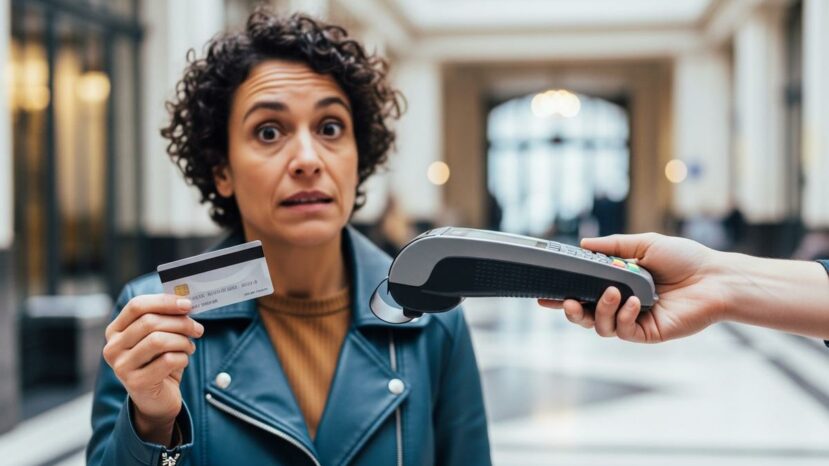


Payment terminals are now everywhere, in shops and right up to the doorstep. With this ubiquity, the risk of bank fraud evolves and sometimes surprises customers in a hurry. A better understanding of these attempts can reduce exposure and enable you to react quickly.
A discreet payment terminal scam
With the spread of contactless technology, malicious individuals are hijacking payment terminals to extract a gesture validating a debit. Sometimes, they take advantage of queues, busy sidewalks or building lobbies to create a sense of urgency. The target then casually validates an amount or presents their card.
The scenario most often described begins with a very brief, cordial approach. The caller mentions a delivery, a charity survey or a “routine” check, then holds out a device. The aim of this staging is to trigger a reflex, then turn the situation into bank fraud.
In a store, another technique is to divert attention during payment. Then, a fraudster may insert a dummy device or accessory, in order to retrieve the PIN code entered. In short, a moment’s confusion is often all it takes to validate what you would never have validated under normal circumstances.
“Stay in control of your card, even when you’re in a hurry.
How the approach works in the field
The process is based on speed, promiscuity and suggestion. Thus, the device is presented in the “ready to pay” position, and the person hears “it’s just a confirmation”. Then, under pressure, the victim may approve a debit or type in his or her code, thus fueling a bank fraud.
Variations exist depending on location and time of day. For example, a false contactless failure may result in a request for chip and code, followed by an allegedly necessary repeat. What’s more, some machines display amounts that are difficult to read, making it difficult to verify with confidence.
- Keep your card in hand and in sight, from start to finish.
- Protect the PIN code with your hand, even indoors.
- Refuse all “test” payments outside the cash register or counter.
- Always check the amount on the screen before validating.
- Activate SMS/app alerts for each transaction.
Warning signs and good reflexes
Beware of anyone demanding immediate payment on a landing or public thoroughfare. A legitimate professional, on the other hand, will offer an invoice and traceable payment to the right place. So, the slightest insistence on “a small amount” should trigger a polite refusal, especially if you suspect bank fraud.
Look at the screen and take three seconds to reread the title and amount. Also, never let anyone hold your card while you type, even briefly. So, if you’re rushed, say you’ll call the appropriate department before taking any action.
For contactless, protect the card in a blocking case or closed card holder. In addition, temporarily deactivate the function in your banking application during crowded events. Then reactivate it only when necessary, to limit the risk of a stealth approach.
When you’re in the store, make sure your card remains in your field of vision at all times. Ask for a receipt or a digital receipt, even for small amounts. In short, this simple procedure makes it harder to commit bank fraud disguised as a routine.
Your rights in the event of suspicious debit
In the event of an unrecognized debit, immediately stop the transaction and report it to your bank. Also, describe the precise context, location, time and device if possible. Ideally, you should act within 24 hours to block any further attempts.
The PSD2 framework provides for rapid reimbursement of unauthorized transactions, subject to conditions. As a result, your financial liability is limited to €50 before opposition, unless you can prove gross negligence. So, in the event of bank fraud, keep your text messages, statements and screenshots to support your claim.
Protect your day-to-day payments
Set up real-time alerts in your banking application. You’ll receive notification of every transaction, so you can react more quickly. What’s more, you can adjust temporary ceilings in the event of a move or event, then return to the usual thresholds.
On smartphones, opt for wallets using tokenization and biometrics. Also, dual authentication such as 3D Secure strengthens online purchases and reduces exposure. Next, update your system and apps to correct known vulnerabilities.
For retailers and associations, secure access to equipment and train your teams. In this way, inventory control, visible seals and an event log limit the risk of fraud. In short, these measures reduce the angle of attack and curb opportunistic bank fraud.
Share these reflexes with your friends and family, especially those less comfortable with electronic payment. In addition, simulate a street or building entrance scenario to test your reaction in the cold. Then, keep opposition numbers and alert shortcuts handy, on paper and on your phone.