
Hidden museum in the Paris region: an unusual church houses a little-known museum near Paris
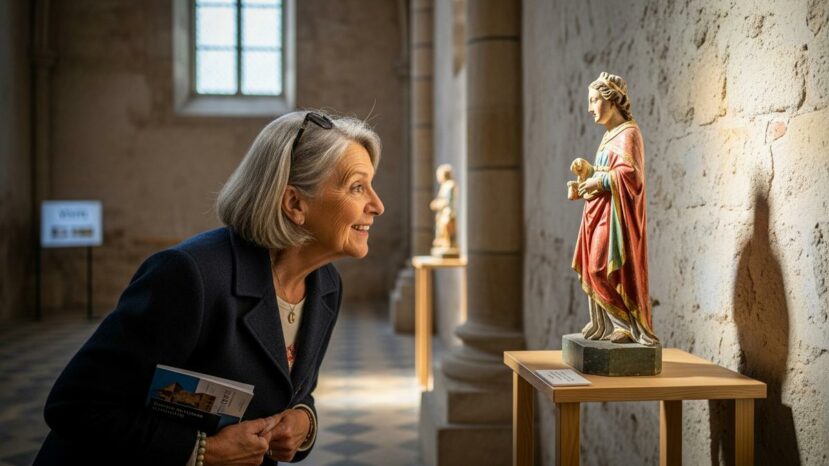


Fancy a quiet tête-à-tête with art, away from the crowds and queues? Hidden museums are discreet places that tell a story, without spotlights or poster campaigns. What’s more, they often offer a rare proximity to the works of art and their custodians.
Why these places remain discreet
Many of our collections are housed in schools, hospitals or municipal departments. In this way, priority is given to the operation of the site, rather than to welcoming large numbers of visitors. On the other hand, these reserves, which are opened from time to time, become real moments of sharing.
A hidden museum may occupy a wing of anarchive building or a former workshop. In some cases, signage is kept to a minimum so as not to disturb local residents. In this way, discretion protects the works of art and the life of the neighborhood.
Opening hours are often limited, and admission is by reservation only. This hidden museum then opens a few days a month, depending on the availability of the guards. So it’s best to plan ahead to avoid disappointment.
“A small museum often changes a big day.”
Hints on how to spot them
First, look for brass plaques in the halls, signs on the mezzanine, or a door marked “visit”. In this way, a janitor can point out a staircase or inner courtyard. In addition, the city’s cultural program sometimes indicates these openings.
Then target major events such as the European Heritage Days and Museum Night. What’s more, each hidden museum often takes advantage of these dates to welcome the public, sometimes free of charge on the first Sunday. In short, prepare a list of options to fit in with the remaining spaces.
- Check the booking and registration details.
- See precise times and access address.
- Ask aboutPRM access and stairs.
- Ask for photo and checkroom rules.
- Plan B nearby, in case of overcrowding.
Practical tour: opening hours, reservations, accessibility
A courteous message is often all it takes to get a slot. Just mention your preferred day, the number of people and your constraints. In a hidden museum, this simple approach opens the door at just the right moment.
At reception, you may be asked for identification or a lighter bag. So travel light, and allow a few minutes for check-in. Also, the staff, some of whom are volunteers, appreciate arriving on time.
Please observe the conservation instructions. For example, you may not be allowed to use a flash or a boom. In short, two or three questions to the guide are all it takes to know the exact usage.
Planning an outing with children or senior citizens
With a stroller or cane, ask for the easiest route and the seats available. Check forPRM access and the presence of an elevator. A hidden museum may have folding chairs available for breaks.
For children, a notebook and pencils turn the visit into a game. Suggest that they find three details in each room. However, keep the pace flexible to maintain attention.
What’s in it for us
We often meet the people who restore, classify or loan the works. In this way, the story becomes concrete, precise and human. What’s more, this proximity makes you want to come back with friends and family.
These places preserve trades, gestures and materials. What’s more, they show how a city tells its story through its objects, from the technical to the poetic. As a result, emotion arises from unexpected details.
The setting encourages slowness and attention. As a result, you come away with a story to tell, not just images. In short, you retain what you’ve understood, not what you’ve skimmed over.
Tips for a memorable visit
Arrive ten minutes early and sign in. That way, you’ll secure your place even if it’s busy. A smile and a thank you often make all the difference.
Write down two factual points for each room, followed by a personal impression. These traces will nourish your memory long after you’ve left. On the other hand, don’t rush: time is part of the collection.
Preserving and sharing these treasures
Marginal collections complement large institutions. They save objects that are too fragile or too specialized for large spaces. They also document local histories that are sometimes forgotten.
A donation, a membership, or simple feedback already helps the team. What’s more, pointing out a cartel error or a need for clarification can be invaluable. So, everyone can contribute in their own way, with tact and respect.
If you like unusual stories, plan one outing per quarter. That way, you’ll be able to move from workshop to storeroom, following the rhythm of the seasons. In short, a hidden museum quietly nourishes curiosity, and that changes everything.