
Hair loss: an ancestral Chinese plant can stop it, according to a new study
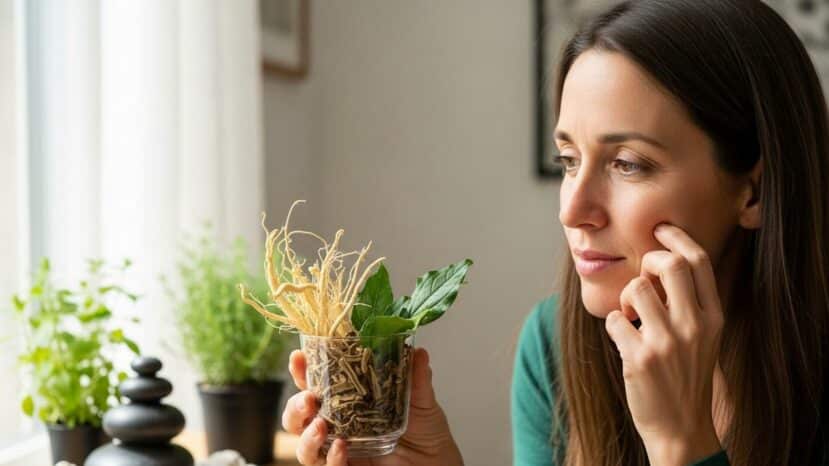


You’re not alone when it comes to thinning locks and balding temples. For many, hair loss is an unannounced problem that takes its toll on morale. A lead from Chinese pharmacopoeia is resurfacing, with caution but also hope.
What a new study says about an ancestral plant
According to a recent article, the Chinese plant Polygonum multiflorum (He Shou Wu) is attracting the attention of researchers. Laboratory studies suggest a positive effect on follicle vitality. So, the subject deserves methodical examination, without haste or unreasonable promises.
The authors suggest a possible action on the anagen phase, i.e. the growth period. As a result, a lengthening of this phase could delay the onset of the resting phase. This mechanism could help some people faced with persistent or seasonal hair loss.
The material is still limited, as it is mainly used in in vitro or ex vivo models. As a result, no firm clinical conclusions can be drawn in humans at present. However, the hypothesis is gaining in consistency with other data from cosmetology.
“Promising does not mean proven: move forward, but keep a critical eye and protect your health.”
How the plant could affect the hair cycle
Hair follows a cycle of growth, rest and fall, regulated by local signals. The growth phase can last from 2 to 6 years, depending on the individual. Extracts rich in polyphenols could support this duration by limiting oxidative stress.
In addition, some studies suggest an action on cutaneous microcirculation and cell signalling. On the other hand, the quality of extraction, the dose and the galenic form have a major impact on the effects. That’s why we need to remain cautious about hair loss and marketing promises.
- Seek medical advice before any treatment, especially if you have a chronic illness.
- Check labelling, origin, contaminant tests and batch traceability.
- Start low, monitor tolerance, then adjust or stop if signs appear.
- Do not combine several active supplements without follow-up, to limit interactions.
- Prioritize sleep, nutrition and stress management, as they modulate growth.
Precautions, side effects and conditions of use
Cases of liver toxicity have been described with Polygonum multiflorum, especially when taken orally. Abdominal pain, unusual fatigue or yellowish skin should be avoided, and prompt medical attention sought. Pregnant women and people suffering from multiple drug dependence should refrain from taking Polygonum multiflorum without specialist advice.
Extracts remain highly variable, as raw, cooked or fermented root does not have the same profile. What’s more, the exact content of active compounds in a particular supplement is often unknown. This complicates the assessment of true efficacy on hair loss on a daily basis.
In topical cosmetics, the risk seems lower, but watch out for any local irritation or redness. From now on, opt for transparent brands, with quality control specified on the packaging. Last but not least, don’t delegate everything to a single product, as a healthy lifestyle is crucial.
Practical advice and complementary care
Start with gentle gestures: appropriate shampoos, light massage and limited heat on the lengths. In addition, sufficient protein, iron, zinc and vitamin D support the fiber. As a result, targeted biological monitoring can guide measured, realistic nutritional corrections.
When in doubt, consult a dermatologist to identify the type of alopecia and strategy. This specialist will be able to propose a graduated plan, from cosmetics to therapeutics if necessary. In this way, early assessment limits the impact of hair loss and improves the chances of a response.
What you need to know to move forward serenely
The plant studied provides a signal of interest, but the clinical proof remains to be consolidated. This observation in no way detracts from the testimonials; it simply invites us to frame our expectations. Listening to one’s body and talking to one’s caregivers remain reliable points of reference.
You can envisage a supervised test, with simple objectives, monitored tolerance and a 3 to 6-month horizon. However, take into account budget, habits and validated alternatives for your context. This framework helps to objectivize a possible benefit on hair loss without getting lost.
Remain curious, but demand proof, clear compositions and personalized advice. That way, you can integrate a plant like He Shou Wu into a coherent care program. In short, stay the course in the face of hair loss, and err on the side of safety every step of the way.