
Cardio before or after weight training: the right order according to a sports coach for faster progress
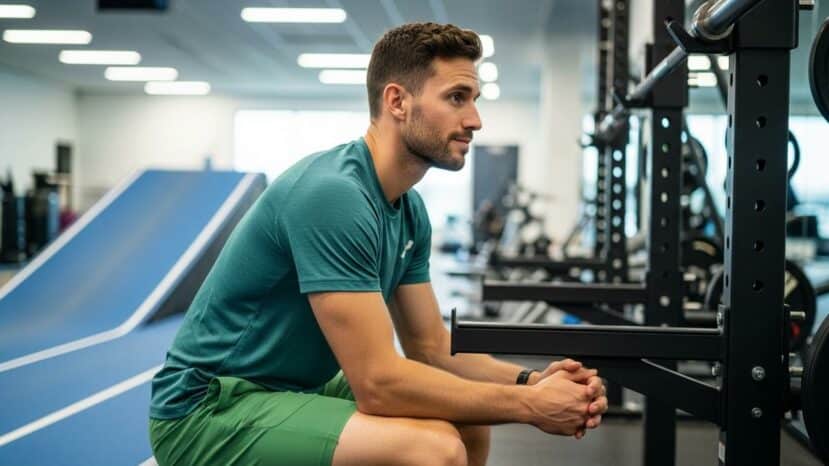


Should you do cardio before or after weight training? It’s a question that comes up a lot, and a sports coach ‘s answer follows a clear principle: the order is decided according to your objective for the day. This way, you can organize your session without losing efficiency or pleasure.
Cardio before or after: objectives and concrete effects
If you’re preparing for a race or endurance test, start with cardio. You’ll then have the energy to work on stride, cadence and breathing. On the other hand, placing strength training second will limit neuromuscular fatigue during aerobic work.
For those aiming for strength or hypertrophy, the logic is reversed. Priority is given to heavy movements, when concentration is high and reserves intact. What’s more, a brief cardio finisher can supplement energy expenditure without jeopardizing progress.
According to the opinion shared by a sports coach interviewed on the subject, the “goal first” order remains the safest rule. Long cardio before a leg session can be detrimental to technique and muscle recruitment. In short, be strategic to protect your key performances.
“Do first what serves your purpose for the day.”
Fat loss, health, performance: the ideal order according to your goal
For fat loss, order is less important than consistency and caloric deficit. So, focus on consistency: quality weight training, followed by moderate cardio or short intervals. As a result, you protect lean body mass while improving energy expenditure.
For cardio-metabolic health, maintain a regular aerobic volume in easy zones. The rowing machine, running, elliptical trainer or stairclimber offer a variety of options. A sports coach will advise you to adjust the duration according to your level and how you feel.
- Heat for 5 to 10 minutes on easy setting.
- Prioritize weight training if strength is your goal.
- Keep 24 to 48 hours between two intense sessions.
- Vary rowing, running, elliptical, stairs.
- Stay hydrated and get 7 to 9 hours’ sleep.
For cardio performance, put the key workout first. This applies to a quality split or a threshold run. Also, keep legs fresh before specific efforts.
How long and at what intensity for cardio?
A general warm-up is often sufficient: 5 to 10 minutes of gentle cardio prepares the joints. Then, after weight training, 10 to 20 minutes in zone 2 stimulate endurance without breaking recovery. In this way, you accumulate benefits without overloading the session.
If you rely on intervals, keep your training short on busy days. For example, do 6 to 10 minutes of short, well-controlled efforts, to limit fatigue. A sports coach will recommend saving sprints for a dedicated day.
On leg days, avoid long cardio sessions before squats or deadlifts. On the other hand, an active return to calm after the session helps circulation. In addition, lightly stretch tense areas to improve recovery.
Organizing the week: separating, combining, recovering
Ideally, separate intense sessions by several hours. Nowadays, many people alternate strength training in the morning with cardio in the afternoon, or vice versa. As a result, quality remains high on each block.
Three sessions of weight training and two of cardio are all you need to make progress. Add an active walk on off-days for stress-free exercise. A sports coach can refine this plan according to your constraints and history.
Common mistakes and practical advice from the field
The first mistake is to do a long HIIT before lifting heavy. You deplete glycogen and decrease stability, which weighs on technique. So save sustained intervals for a day without heavy lifting.
Another pitfall: neglecting nutrition around training. A simple snack beforehand and protein afterwards help recovery. What’s more, hydration and good footwear limit injuries on the treadmill or rowing machine.
Measure what matters to you: load, reps, heart rate, RPE. Then adjust the volume or order according to your data, not randomly. In short, take it step by step, with the support of a sports coach.