
Time change 2026: the date of the switch to summer time in France
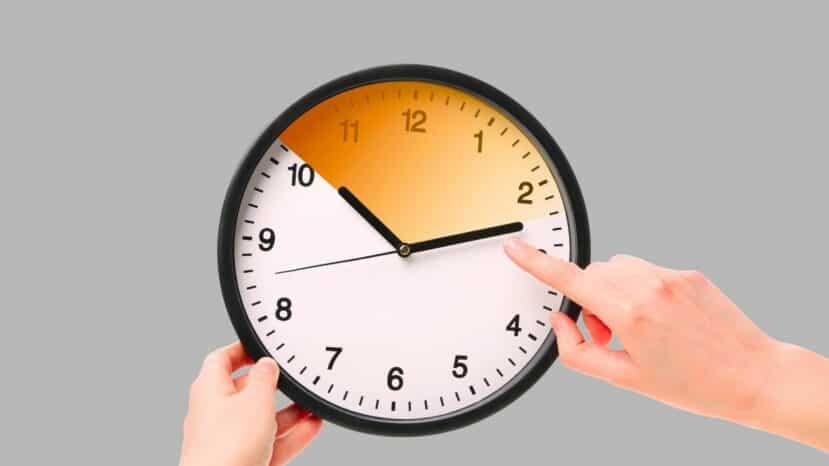


Every spring, the same question comes up: when should the hands be moved forward? The 2026 time change is approaching, and many French people are already wondering how to prepare for it. Here’s everything you need to know to make sure you don’t miss this seasonal event.
The switch to summer time in 2026: the date to remember
The next time change will take place on the night of Saturday 28th to Sunday 29th March 2026. At 2 a.m., you’ll need to set your watches forward one hour. It will then be directly 3 a.m.
This change means one hour less sleep that night. So it’s best to plan ahead to avoid feeling tired the next day. What’s more, the days will be longer in the evening.
Good news for forgetful users: smartphones and computers update themselves. So you won’t need to intervene on these devices. On the other hand, think of wall clocks and classic watches.
“Your smartphone and other computers will take care of this update automatically.”
Why do we set our clocks back twice a year?
This ritual has existed in France since 1976. The original aim was to reduce energy consumption. However, the savings achieved are still debated today.
The idea is to make the most of natural light. This means turning on the lights less in the evening. However, the real impact on electricity bills remains modest.
Europe and the future of the time change
For several years, the European Union has been considering abolishing this system. In 2019, the European Parliament voted to put an end to the practice. However, no final decision has yet been taken.
The member states must first reach agreement. Some countries want to keep summer time all year round. Others prefer permanent winter time. This disagreement is blocking negotiations.
- The 2019 European vote has not yet been implemented
- Each country must choose between summer and winter time
- Coordination between European neighbors is a problem
- The health and then geopolitical context slowed down discussions.
- No deadline for decision
France is leaning more towards permanent daylight saving time. A public consultation showed this preference in 2019. Now we have to wait for a joint European decision.
The effects on our health and our daily lives
The time change disrupts our biological clock. Some people feel tired or have trouble sleeping. These effects generally last only a few days.
Children and the elderly are often more sensitive. It may therefore be helpful to gradually shift bedtimes. Also, avoid screens late at night before the transition.
Pets also feel the difference. Their usual meals and walks are suddenly shifted by an hour. A gradual adaptation over a few days helps them adjust.
How to prepare for the time change
A few days before March 29, 2026, start going to bed a little earlier. Even 15 minutes a night can make a difference. This gentle method makes it easier for your body to adapt.
On Sunday morning, expose yourself to natural light as soon as possible. This helps to reset your internal rhythm. Also, avoid caffeine at the end of the day during this period.
And don’t forget to check all your hand-held devices. The oven, the alarm clock in your bedroom or the watch in your car don’t update themselves. That way, you’ll avoid unpleasant surprises on Monday morning.
So, the time change remains a well-established habit in our calendar. Until Europe decides, we’ll continue to move our watches backwards and forwards. For 2026, make a note of this March 29 date in your diary.