
Bonneval-sur-Arc: this Savoyard village with no roads or electricity is the only one in France accessible only on foot.
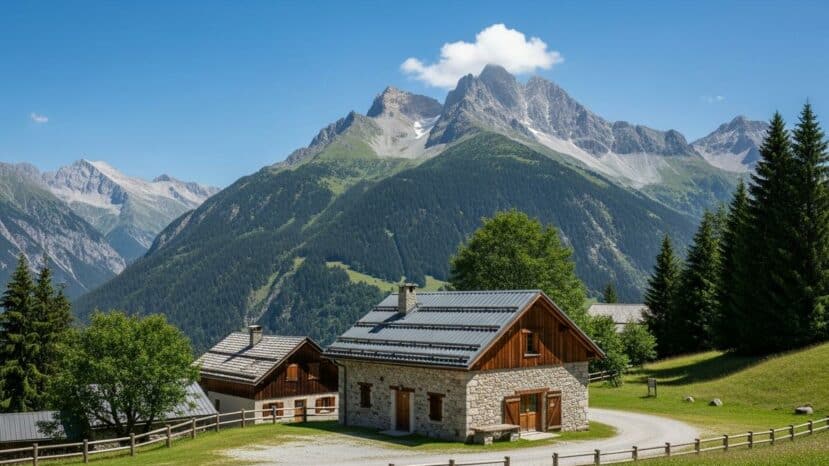


Every year, millions of travelers set off in search of the most beautiful village in France. These authentic destinations seduce with their timeless charm and preserved heritage. Yet choosing among so many wonders remains a real challenge for those who love discovery.
The criteria that define a remarkable village
An exceptional French village is distinguished by several essential characteristics. Its architecture must reflect local history and regional traditions. Old houses, cobbled streets and historic monuments play a central role in this assessment.
The preservation of the natural heritage also plays an important role in this assessment. The surrounding landscapes, be they mountainous, coastal or rural, all add to the appeal. What’s more, the harmony between buildings and their natural setting creates a unique atmosphere.
Local life brings these villages to life, giving them a special soul. Markets, traditional festivals and local crafts attract curious visitors. As a result, a lively village is more appealing than a place frozen in time.
“These villages represent our common heritage and bear witness to centuries of French history.”
The “Most Beautiful Villages in France” label
Founded in 1982, the association now has 176 approved communities throughout France. Each application is subject to a rigorous assessment based on some thirty precise criteria. However, some villages may lose their label if they no longer meet the requirements.
To obtain this distinction, a village in France must have a population of no more than 2,000. It must also have at least two sites protected as historic monuments. The quality of the environment and public spaces are also taken into account.
- Authentic, well-preserved architecture
- Population under 2,000
- Listed historic monuments
- Preserved natural environment
- Local cultural and economic dynamism
The regions with the most picturesque villages
The Dordogne and Aveyron are home to a large number of these exceptional villages. These rural départements have managed to preserve their heritage despite modern developments. Today, they attract tourists from all over the world.
Alsace also offers villages with colorful half-timbered houses. Riquewihr, Eguisheim and Kaysersberg are among the most photographed destinations. Their Christmas markets further enhance their international renown.
Provence seduces with its perched villages of ochre and lavender hues. Gordes, Roussillon and Les Baux-de-Provence offer breathtaking panoramas. What’s more, the southern light enhances these landscapes all year round.
Brittany and Normandy are home to some of France’s most maritime villages. Traditional fishing ports and granite houses tell the story of the people of the sea. These regions combine built heritage and wild nature.
Little-known treasures to discover
Some villages remain off the beaten tourist track. These confidential destinations offer travelers a more authentic experience. Visitors enjoy a peaceful atmosphere far from the summer crowds.
The Cantal, Creuse and Vosges regions hide some remarkable architectural nuggets. These rural territories preserve a traditional, welcoming way of life. Indeed, their inhabitants are passionate about perpetuating ancestral know-how.
How to prepare your visit to a French village
The best time to visit varies according to the region and local events. Spring and autumn allow you to avoid the summer rush and still enjoy a pleasant climate. However, some traditional festivals are well worth a visit, even in high season.
Favoring home-stay accommodation considerably enriches the travel experience. Bed & breakfasts and self-catering cottages encourage exchanges with locals. In this way, visitors discover the best addresses and local secrets.
Getting around on foot remains the best way to appreciate a French village. Narrow streets and secret passageways reveal themselves to attentive strollers. And this gentle approach respects the tranquillity of permanent residents.
Tasting local gastronomic specialties completes this cultural immersion. Each region offers unique and delicious local produce. These culinary discoveries leave lasting memories long after your return.