
Hedge trimming banned from March 16: the fines you could face in your garden
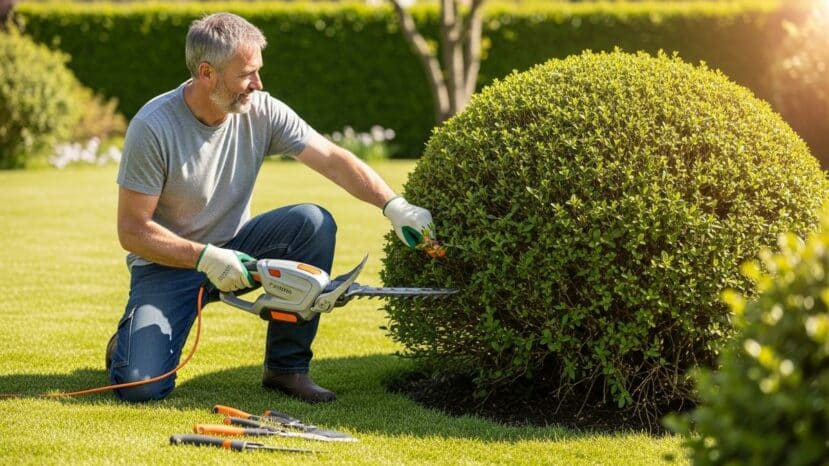


Maintaining a hedge requires precise know-how and good timing. To preserve the harmony of your gardenpruning remains an essential step. Here’s how to do it efficiently, without stress or mistakes.
When to trim your hedge for best results
Timing plays a key role in the success of this operation. In fact, two periods are ideal: late spring and early autumn. These times allow the plants to heal before heat or frost.
However, some species require special attention. Fast-growing hedges, such as privet or cypress, may require pruning three times a year. Slow-growing species, on the other hand, only need to be pruned once a year.
What’s more, legislation provides a framework for this practice. To protect nesting birds, the law forbids pruning between March 15 and July 31. Respecting this deadline protects the biodiversity of your green space.
“A well-trimmed hedge structures the landscape and encourages wildlife all year round.”
Signs that pruning is needed
Is your hedge overhanging the sidewalk or the neighbor’s house? This is a clear signal. So acting quickly avoids neighborhood disputes and potential fines.
Criss-crossing branches prevent light from penetrating to the heart of the foliage. This weakens the plant and creates unsightly bald spots. Regular pruning maintains the density and vigor of your plants.
- Branches that extend more than 30 cm beyond the original shape
- Presence of dead wood or yellowed areas
- Loss of density at the base of the hedge
- Hindrance to traffic on adjacent sidewalk
- Excessive shading of neighbouring plantings
Choosing the right tools for the type of hedge
The right equipment makes all the difference. For a small hedge of less than 20 meters, a manual shear is more than sufficient. This is an economical and quiet choice for residential areas.
Longer hedges, on the other hand, require an electric or thermal hedge trimmer. Electric models are ideal for hedges close to an outlet. Thermal versions offer total autonomy for large yards.
So make sure you’re on the safe side before you start. Thick gloves, safety glasses and closed shoes are essential. A stable stepladder is a good alternative to a ladder when working at height.
The blade must be perfectly sharp. A clean cut heals better than a tear. So check the condition of your tools before every work session in the garden.
Techniques for a perfect cut
Always start with the sides, then finish with the top. This avoids trampling debris and ensures an even finish. Work from the bottom up for a clean result.
The trapezoidal shape remains ideal: wider at the base than at the top. In this way, all parts receive sufficient light. This technique prevents the balding so common at the base of old hedges.
Stretch out a chalk line to guide your horizontal cut. This visual cue ensures a straight line along the entire length. Professionals use this simple but effective trick every day.
What to do with pruning waste in your garden
Shredded branches are a precious resource. Shredding them creates a natural mulch for your flower beds. This practice enriches the soil and reduces watering chores.
However, some species are not suitable for direct composting. Thuja and cherry laurel contain substances that slow down decomposition. Mix them with other materials to balance your compost.
In most communes, waste collection centers accept these plants free of charge. Ask about opening hours before loading your vehicle. Some local authorities even offer home collection during the season.
A pile of dead wood is an ideal refuge for hedgehogs and other beneficial insects. By leaving a small dedicated space in a corner of your garden, you actively support local wildlife. This approach is part of responsible management of outdoor space.