UFC-Que Choisir warns that these low-priced tomatoes are tempting on price but contain the highest concentration of pesticide residues.
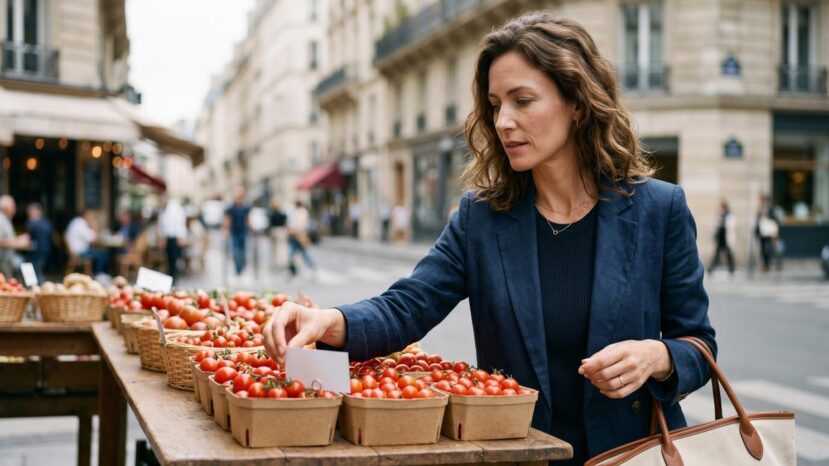


Every summer, the same reflex sets in when shopping: grab the cheapest tray without looking closely at the label. And yet, according to a survey byUFC-Que Choisir, this trivial gesture deserves a closer look, especially when it comes to imported tomatoes and their pesticide residue content.
What the UFC-Que Choisir survey reveals
The association drew on the results of official controls on tomatoes sold on the French market. The data show clear differences depending on the origin of the product. Certain origins are much more often associated with the presence of pesticide residues than others.
These differences do not necessarily reflect any immediate danger to health. They do, however, reflect very different production practices and greater or lesser reliance on phytosanitary treatments.
As a result, geographical origin is becoming as useful a criterion as price when choosing fruit and vegetables.
“The presence of residues does not automatically mean that the product is dangerous or does not comply with regulations.
The origins most concerned by residues
Moroccan production is among the hardest hit. More than half the samples analyzed contained detectable residues. These trays, often sold at very attractive prices, easily seduce buyers in a hurry.
On the Spanish side, the results were also less than encouraging. According to UFC-Que Choisir, a large majority of conventional tomato samples from Spain contained several residues. Some of the substances identified are being closely monitored by European health authorities.
What’s more, these two origins are home to farming practices that differ significantly from the standards applied in France.
Why French tomatoes fare better
On the other hand, UFC-Que Choisir’s analysis of French production shows more reassuring results. The presence of pesticide residues is less frequent, and the proportion of substances considered of concern is lower.
The association recommends giving preference to French tomatoes as soon as they are available on the shelves. Products from organic farming or bearing a “no pesticide residues” guarantee are also interesting alternatives.
And yet, these options are sometimes less visible or less promoted on the shelves. Yet a glance at the label can make all the difference.
- Check the origin on the label before buying.
- Prefer French productions when available.
- Opt for an organic label or a “pesticide residue-free” label.
- Don’t confuse the presence of residues with regulatory non-compliance.
- Consider origin as much as price when making your choice.
A simple reflex to adopt on a daily basis
Taking a few seconds to read the label in the supermarket or at the market can help you learn more about the conditions under which products are produced. This gesture, often overlooked, helps you make a more informed choice. What’s more, it requires no special effort or extra budget.
The origin of the product remains a detail that changes everything. By checking it, consumers can regain control of what they put on their plates.
What this means for your purchases
The low price of an imported tub may seem advantageous in the short term. However, data from UFC-Que Choisir suggests that this choice should be weighed differently. Opting for a better-controlled origin also means opting for a more serene diet throughout the seasons.
On the other hand, there’s no question of giving up the pleasure of eating fresh fruit and vegetables. The aim is simply to be better informed so that we can make different choices, according to our own availability and budget.
Alternatives exist at all price levels. So, even on a tight budget, a careful look at the label is the first useful gesture to adopt the next time you visit the shelves.