
Anti-fatigue: this forgotten kitchen herb contains more magnesium than chocolate, according to Anses
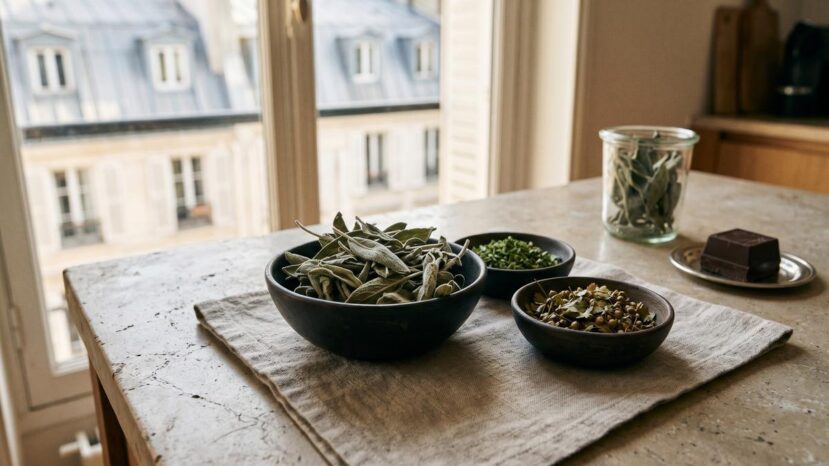


Chronic fatigue affects a large number of people, and diet plays a key role in remedying it. Aromatic herbs found in your kitchen can, in a simple and natural way, contribute to a real anti-fatigue effect. Some of them contain surprising quantities of magnesium.
Magnesium, a key anti-fatigue mineral
Magnesium acts on the body in several ways. Above all, it is effective in reducing fatigue and helping our cells to produce energy.
According to Anses, an adult needs 380 mg of magnesium a day. This intake comes mainly from oilseeds, chocolate, shellfish and coffee.
However, many common herbs can also be used to supplement these nutrients. As such, they deserve a regular place on the plate, in the same way as conventional foods.
“Magnesium contributes to the production of energy by our cells and helps reduce fatigue. – Source : Anses
Dried herbs, more concentrated in magnesium
Dried or freeze-dried herbs are naturally more concentrated than their fresh counterparts. As a result, their mineral content, including magnesium, is much higher.
Freeze-dried chives contain 640 mg of magnesium per 100 g. It also provides vitamins A, C and K, potassium and iron. Serve with eggs, potatoes or salads.
Dried coriander leaves are among the most concentrated, with 694 mg of magnesium per 100 g. They also provide vitamin C, vitamin K and cell-protecting plant compounds. They are used in rice dishes, curries and soups.
Sage and chervil: little-known anti-fatigue allies
Terrestrial sage contains around 420 mg of magnesium per 100 g. It’s also rich in vitamin K, calcium, iron and potassium. What’s more, it’s packed with antioxidants, as the Health website reminds us.
It goes well with roasted vegetables, poultry, beans or soups. So it’s easy to incorporate into everyday dishes.
Dried chervil contains 130 mg of magnesium per 100 g and also provides vitamin C. Slip it into egg dishes, seafood, vegetables or sauces.
- Freeze-dried chives: 640 mg magnesium per 100 g – ideal with eggs or potatoes
- Dried coriander leaves: 694 mg magnesium per 100 g – perfect in curries and soups
- Ground sage: 420 mg of magnesium per 100 g – perfect with roasted vegetables or poultry.
- Dried chervil: 130 mg magnesium per 100 g – pair with eggs or seafood.
- Fresh mint: 63 mg magnesium per 100 g – ideal for infusions, smoothies or fruit salads
Basil, mint, dill: fresh herbs also fight fatigue
Fresh herbs contain less magnesium than dried versions, but are still interesting sources for everyday use. Fresh basil provides 64 mg of magnesium per 100 g. It is also rich in antioxidants, including rosmarinic acid, with antiviral and anti-inflammatory properties demonstrated by studies.
Fresh mint provides 63 mg magnesium per 100 g. Like basil, it contains rosmarinic acid and antioxidants. With its refreshing flavour, it can be added to smoothies, yoghurts, fruit salads or infusions.
Fresh dill, on the other hand, contains 55 mg of magnesium per 100 g, as well as vitamins A and C. It goes well with fish, potatoes and yoghurt-based sauces.
How to incorporate these plants into your anti-fatigue routine
The advantage of these herbs lies in their accessibility. Most are easily found in supermarkets, either fresh or dried. What’s more, they can be added effortlessly to already-prepared dishes.
For a gradual anti-fatigue effect, it’s better to focus on regularity rather than quantity. Sprinkling freeze-dried chives on a fried egg, adding dried coriander to a soup, or slipping mint into a morning yoghurt are simple gestures to adopt.
These herbs are no substitute for a varied diet, but they do effectively supplement magnesium intake. In this way, they become precious allies in the fight against persistent fatigue. When integrated regularly, these plants are part of a practical anti-fatigue approach that is accessible to all.