
“Measure from the top of your forehead to your chin”: an image consultant’s rule for finding the perfect hair length
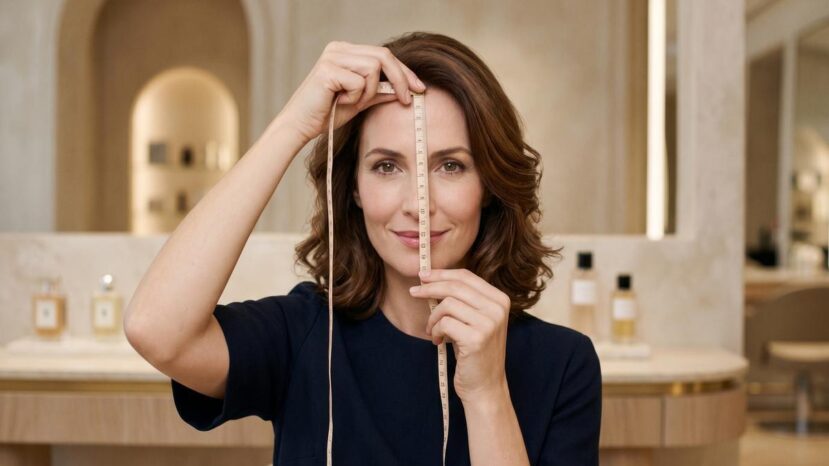


Choosing the right hairstyle can sometimes be a real headache. However, hair length plays a much more decisive role than you might think, and there’s a simple rule that can help you avoid mistakes before you even sit down in the stylist’s chair.
Why Hair Length Makes All the Difference to Your Figure
We’ve all been there: a haircut that seemed perfect during the first visit, but over time, seems less flattering. This feeling isn’t a matter of changing tastes. It’s often due to a mismatch between the chosen cut and the natural proportions of the face.
For example, hair that is too long can make facial features appear more elongated. On the other hand, a haircut that is too short may make certain facial features look harsher. These effects are real and visible, and they explain why the same hairstyle doesn’t work equally well for everyone.
What’s more, hair trends change every season. However, facial proportions remain constant. That is precisely why relying on your face shape is a much more reliable starting point than magazines or social media.
What Professionals Notice First
Lina Diaz, an image consultant, shared her approach in the pages of *Hola!*. She starts with a simple observation: the ideal hair length is determined by the proportions of the face, not by one’s current preferences.
Therefore, before getting a new hairstyle, it’s best to take the time to figure out what suits your face. This preliminary step can help you avoid a lot of disappointment after your visit to the salon.
“All you need to know is the length of your face, from the hairline to the chin.”
A Practical Method for Finding Your Ideal Length
The principle is simple enough for anyone to follow. You measure from the top of your forehead to your chin, and that distance gives you the hair length that looks most flattering on your face. Lina Diaz explains this step in her advice to Hola! readers.
Once you have this measurement, mark it starting from the nape of the neck. This helps you identify the exact spot where the hair should fall to maintain the face’s visual balance. The process is simple, quick, and requires only a measuring tape.
The purpose of this method is clear: if the proportions aren’t maintained, the features appear less defined. The expert herself points this out, emphasizing the direct effect that the haircut has on how the face is perceived.
- Measure from the top of the forehead to the chin to obtain a reference distance.
- Measure this distance from the nape of the neck to determine the ideal hairline.
- Hair that is too long can make your features appear longer.
- A haircut that’s too short can make certain facial features look harsher.
- Hair texture, natural volume, and the desired style also play a role.
A useful rule, but not an absolute one
This method serves as a good guideline, not a rule. Hair texture, natural volume, and the desired style are also important factors. As a result, two people with the same facial proportions may very well choose different haircuts.
In addition, this tip is especially for those who are torn between several lengths or are considering a major hair change. It provides an objective basis for guiding the discussion with your hairstylist, without replacing their expertise.
How to Use This Rule Before Your Next Appointment
Before booking your next appointment, take a few minutes at home. All you need is a simple measuring tape to measure the distance from the top of your forehead to your chin. This measurement will serve as your guide for choosing the hair length that best suits your features.
By sharing this measurement with your hairstylist, you’re giving them valuable information. They can then tailor their recommendations to your actual proportions, rather than relying solely on the trend photos you show them.
As a result, this approach reduces the risk of disappointment after the haircut. It also allows for a more precise discussion about what truly flatters your face. Hair length then ceases to be a matter of chance and becomes an informed choice.
This rule also reminds us that beauty often lies in subtle balances. A subtle adjustment in proportion, a well-placed strand of hair—and the entire face appears more harmonious. It’s not magic; it’s simply geometry applied to hairstyling.