Braids and plaits that are too tight: the signs experts look for before hair breaks
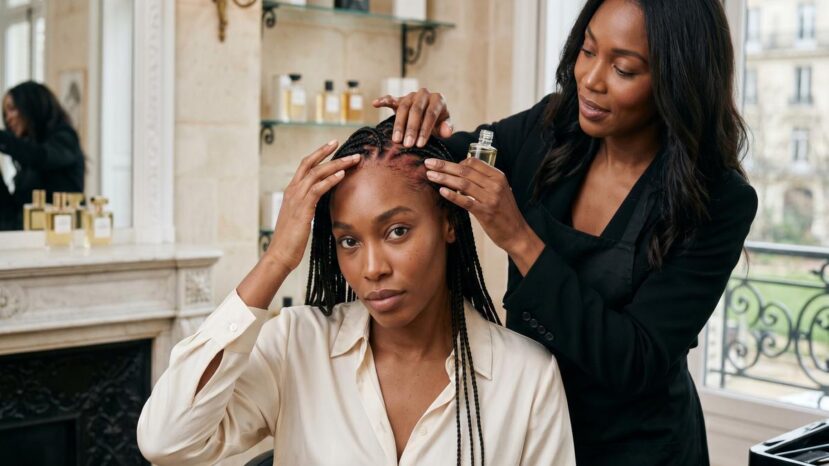


Braids are everywhere in 2026: on TikTok, on the street, at the office. Yet behind their image as a practical and protective hairstyle, they can hide real risks to the health of your hair. Experts have taken stock of what we really know.
Popular braided hairstyles—but not always harmless
From classic braids to the viral “bubble buns,” braided hairstyles appeal to all generations. They help tame unruly hair, create a wavy look without heat, and protect the lengths of your hair while you sleep. Their versatility explains their enduring popularity.
However, excessive tension, extensions that are too heavy, or prolonged wear can weaken the hair shaft. On May 29, 2026, our colleagues at Byrdie interviewed several experts to get to the bottom of this. Among them were dermatologist Jeanine Downie, trichologist Vanessa Ocando, and New York-based hairstylist Koni Bennett.
Their conclusion is nuanced. Braids are not inherently dangerous, but certain practices pose real risks to the hair.
What the Experts Say About Breaking and Traction
According to Dr. Jeanine Downie, a board-certified dermatologist in New Jersey, any type of braid can lead to hair loss and breakage when there is too much tension. The tension placed on the scalp can weaken the hair follicles and, in the most severe cases, lead to traction alopecia.
Vanessa Ocando, a hairstylist and trichologist, also points to weight as a risk factor. Braids that are too long, too thick, or worn on strands that are too fine can exert excessive pressure. On the other hand, when they are suited to hair density and well maintained, braided hairstyles are compatible with healthy hair.
“Your scalp is telling you that your hairstyle is too tight.” — Vanessa Ocando, trichologist
What types of hair are most vulnerable to braids?
Not all hair types react the same way. Fine or thin hair is generally the most vulnerable, especially when it has to support the weight of extensions or long braids. Conversely, thick, dense hair can withstand the strain better, but it is not completely immune to excessive tension.
The type of hair extensions also plays a role. Dr. Downie points out that synthetic hair extensions often undergo extensive chemical treatments, which can irritate the scalp. Hairstylist Koni Bennett adds that these fibers tend to make the hair more dry along the lengths when they aren’t properly cared for.
To minimize these inconveniences, experts recommend choosing hair extensions that are as natural-looking as possible. This choice can make a real difference in the long run.
Warning signs to watch for in the first few days
There are some telltale signs. Redness, itching, a tight feeling, scalp pain, or headaches indicate that the braids are pulling too hard on the hair roots. These symptoms should not be ignored.
When you take out the braids, it’s helpful to examine any hair that has fallen out. A small white bulb at the end indicates natural hair loss related to the hair growth cycle. On the other hand, broken hairs without this bulb indicate mechanical breakage. In this case, experts recommend letting your hair rest and avoiding tight hairstyles for a while.
- Redness and itching of the scalp after application
- A tight feeling or persistent pain
- Headaches Caused by Hairstyle-Related Tension
- Broken hair with no visible white bulb when pulled out
- Synthetic hair extensions can make your hair feel drier
Tips for Wearing Braids Without Damaging Your Hair
The first rule is simple: never put up with a hairstyle that hurts. If you’re having braids done at a salon, you should immediately let the stylist know if you feel any discomfort during the process. Pain is not normal and should not be tolerated.
Hydration remains a priority, even for braided hair. The scalp and hair strands need to be nourished regularly. Experts recommend lightweight , water-based products to prevent dryness and maintain the hair’s suppleness.
The length of time you wear them also deserves serious consideration. According to experts, braids should not be worn for more than four to eight weeks. Beyond that, the risk of breakage, irritation, and product buildup increases. Throughout this period, it is essential to clean the scalp regularly with appropriate products.
Sleeping with a satin scarf or hat—or even on a silk pillowcase—helps reduce the friction that causes frizz, dryness, and breakage. These simple steps protect your braids on a daily basis and extend their lifespan without damaging your hair.