Hair Color After Age 60: A L’Oréal Paris Expert Reveals the Most Youthful-Looking Hair Color of All
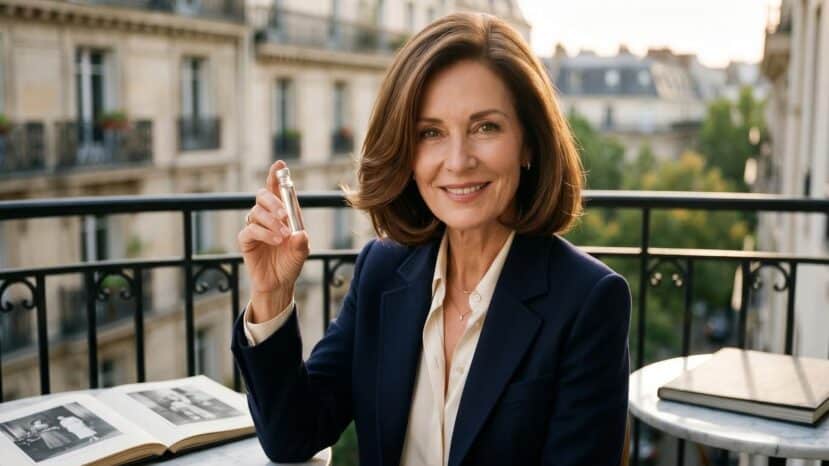


After age 60, choosing the right shade to cover gray hair may seem simple. However, this is often where the most common mistakes are made. A color expert shares a specific—and unexpected—rule to ensure your hair color truly make your face and hair look younger.
What L’Oréal Paris’s color expert has to say about this hair color
Thomas Tuccinardi, a hairstylist and international color expert for L’Oréal Paris, helps women find the shade that suits them every day. He points out that effective gray coverage alone isn’t enough. The healthy glow achieved through hair bronzing, for example, doesn’t meet all needs either.
According to him, hair color offers every woman a wide range of shades to choose from. However, one color stands out as a safe bet, regardless of your natural base color. It’s the one that most closely matches the base color you had before gray hair began to appear.
So, it’s not just about covering up the white. It’s also about choosing a shade that will flatter your face over the long term.
“When it comes to root color, you should choose a shade that matches as closely as possible to the base color you had before your hair turned gray.” — Thomas Tuccinardi, International Color Expert at L’Oréal Paris
Why Staying Close to Your Natural Hair Color Makes All the Difference
Matching your natural hair color as closely as possible results in a dye job that looks incredibly natural. The result can be indistinguishable from hair that doesn’t yet have any gray strands. Furthermore, Thomas Tuccinardi emphasizes that this is also the strategy that ages best over time.
No more unsightly regrowth that combines gray hairs, grayish tones, and color discrepancies with the rest of your hair. A shade close to your natural color minimizes these contrasting effects. As a result, maintenance becomes less of a hassle—a real advantage at an age when you don’t always want to stick to repetitive routines.
- Choosing a shade close to your natural hair color gives a more natural and fresh look.
- This approach reduces visible regrowth between appointments.
- It prevents a color discrepancy between the roots, gray hair, and the rest of the hair.
- This makes it easier to maintain your hair color after age 60.
- According to Thomas Tuccinardi, the choice of shade also depends on each person’s personality.
Hair Color: Colors to Avoid After Age 60 to Prevent Your Features from Looking Harsh
Thomas Tuccinardi points out that choosing a hair color depends on each person’s personality. He recommends, however, opting for a natural look in one’s sixties, even when seeking a more noticeable change.
As a result, he advises against brown shades that are too dark. These can make facial features appear harsher, which runs counter to the desired rejuvenating effect. Yet many women still believe that a dark shade creates the illusion of youth.
Similarly, blonde shades with overly yellow undertones should be avoided. They look unnatural and lack elegance. For red hair, the expert advises—depending on personal taste—to opt for a shade that is less intense than bright orange-red.
Brown, blonde, or red: Which shade should you choose based on your natural hair color?
The rule remains the same regardless of your starting hair color: stick close to your natural base. A brunette should therefore choose a soft brown, avoiding shades that are almost black. A blonde should opt for golden or ash tones, without veering into straw-yellow.
For redheads, the same principle applies. A subtle mahogany or coppery shade is a great alternative to a red that’s too bright. What’s more, these softer shades complement a complexion that changes with age.
How to Apply This Rule to Your Daily Life
Putting this advice into practice every day is easier than it seems. All you have to do is look at photos of yourself from before you started getting gray hair, then show them to your hairstylist. This visual reference will help you identify the shade that most closely matches your previous base color.
In addition, if you dye your hair at home, the product lines offer shades categorized by base level. Choosing a shade close to your previous natural color—neither too light nor too dark—is still the most reliable guide. Furthermore, manufacturers often indicate what results to expect based on your starting base color.
On the other hand, if you’re torn between two shades, Thomas Tuccinardi recommends going with the shade that’s closest to your natural color. This approach produces the most long-lasting, elegant—and rejuvenating—result for women over 60.