



Cities in Spain: 15 little-known tourist destinations for a heavenly summer vacation
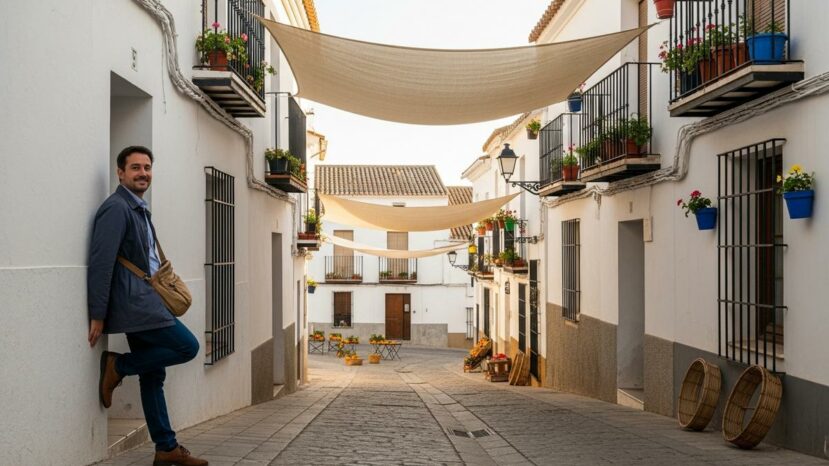
Dreaming of a simple trip away from the crowds? Spain’s cities hide bright, peaceful, often human-sized villages. This guide offers practical suggestions for a gentler, more sustainable stay.
Heading for urban gems away from the crowds
First, target cities where tours are discreet and flexible. For example, Úbeda, Lugo or Teruel offer quiet lanes and open, shady, friendly squares. What’s more, these modestly-sized towns in Spain invite you to take a stroll every day.
Then northern Spain delivers ports, orchards and salty, ever-changing ocean winds. In Andalusia, white villages vibrate to the slow rhythm of the summer siesta. Take advantage of local museums to capture the stories of the place and their voices.
Yet the magic often comes from the downtime and unplanned detours. Look for the morning market, then return at dusk to compare moods. That way, you’ll see the space change and neighbors share their memories.
“Slow travel reveals details the crowd doesn’t see.”
Cultural escapades and local rhythms
Most cities in Spain have retained a deeply rooted and generous art of living. So respect lunchtimes and local festivities, but don’t be too insistent. In short, you’ll gain in flexibility and shared pleasure.
Flexibly plan free slots for rain or a nice unexpected meeting. Also, keep an evening free for a spontaneous concert or procession. Then, shoot early, then rest when the light gets hard, at midday.
- Book trains and buses on the main lines early.
- Travel light to move fast and keep your hands free.
- Download offline maps and regional timetables.
- Learn three simple greetings in Spanish before you leave.
- Hydrate often and remember to wear a light cap.
Practical itineraries and controlled budgets
For a first step, aim for 2 or 3 days per city visited. That way, you’ll be able to pace yourself and cut down on unnecessarily long transfers. These cities in Spain lend themselves well to this flexible touring format.
As far as your budget is concerned, opt for public transport on busy, reliable routes. On the other hand, leave room for a rare detour by rural cab. Also, book your accommodation early when a festival is approaching in town.
As a result, your costs remain transparent and your stress level is already down. Secondly, group your visits by district to limit repetitive journeys. In short, you save time without sacrificing the curiosity of the day.
Where to sleep, what to eat, when to go
When it comes to sleeping, small family-run guesthouses offer a rare and sincere listening experience. What’s more, they often recount the history of Spanish towns with tenderness and precision. On the other hand, it’s a good idea to confirm check-in times before an unexpected late arrival.
At the table, follow the daily specials and simple seasonal menus. Also, try a local specialty, then ask the smiling chef for the recipe. Finally, leave early in the morning in summer, as the heat rises quickly.
Final checkpoints before you leave
Safety first, then common sense, especially at night in remote suburbs. A simple grouped journey is often enough to prevent boredom and waiting. These towns in Spain remain welcoming when local customs are respected.
Learn a few greetings, then smile with the local shopkeepers. Say “por favor” and “gracias” with conviction and respect. What’s more, a notebook of words can help you overcome common misunderstandings.
Before you leave, save your photos and important digital bills. Now, local networks share weather, timetables and valuable cultural alerts. Finally, these cities in Spain can be enjoyed unhurriedly, step by step, together.




Aucun commentaire
Publier un commentaire
Participez toujours dans le respect de la loi et des personnes.