



Couscous without a couscoussier: a pro shares her tips for light, fragrant grains
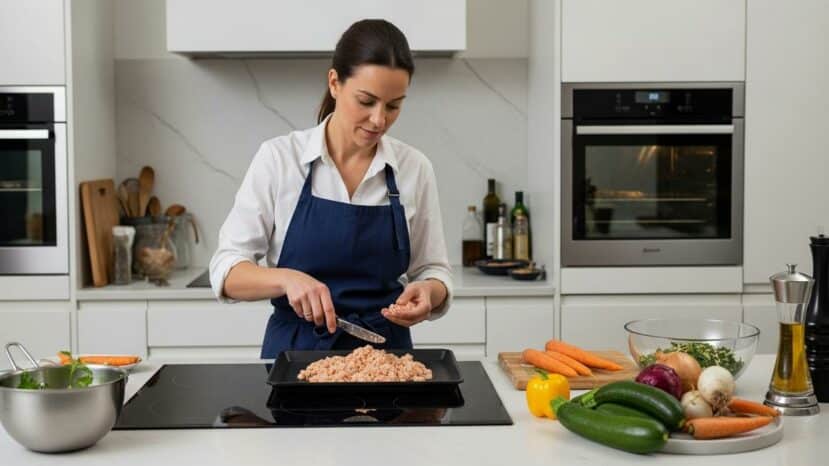
No couscoussier in the kitchen, but a real desire to share this evening. The good news is that it’s still possible to make couscous without the need for specialized equipment, and with no loss of flavor. With a simple method, the semolina gains in volume, and everyone enjoys a generous plate.
Steaming without a couscous maker: the basics
Start with a large pot and a stable metal colander that can withstand the heat. Place the strainer over the simmeringwater, without the bottom touching the liquid. In this way, the steam circulates freely and the seed swells evenly, without disintegrating or sticking.
First moisten the semolina with a little salted water, then add a few drops ofoil. Then rub the semolina between your palms to separate the grains, the key to successful couscous. Water should only be used to coat the couscous, as too much water will soggy the grains and prevent aeration.
Then steam for 12 to 15 minuteswith the lid on but not sealed. Immediately steam on a large platter, add a dash of broth, then leave to relax for a few minutes. A total of 2 passes often produces a soft, shiny, easy-to-serve seed.
“The gentle steam swells the seed without soaking it, even without a couscoussier.”
Step-by-step colander + tea towel assembly
Line the colander with a clean tea towel, slightly dampened to limit drips and retain heat. Also, spread the semolina in a thin layer, as the steam must envelop each grain, the key to a good couscous. Fold back the edges of the cloth, then cover, to avoid condensation falling back onto the grain.
Set the heat to a constant simmer, a sign of gentle, even steam. Then check that the semolina remains well above the water, at least two centimetres apart. On the other hand, if any drops accumulate under the lid, quickly wipe them off before continuing cooking.
- Water that simmers, not boils hard
- A stable strainer well above the liquid
- A clean tea towel to retain moisture
- Careful de-stemming between each passage
- A brief rest before serving to relax the seed
Broth, vegetables and meat: balancing flavours
When it comes to broth, keep the bases simple, but careful, and avoid overpowering aromas. First, sear the meat to develop the flavor, then let it simmer for a long time with aromatics. In this way, the base becomes deep and balanced, and remains light on the palate for all guests.
Use spices sparingly: 1 tsp. for 4 people is enough in most cases. In addition, a brief toasting of ras el-hanout, cumin, coriander and paprika instantly awakens the aromas. The result supports the seed without crushing it, and enhances the couscous without masking the vegetables.
Choose seasonal vegetables cut into large chunks, so that they retain their texture and color. On the other hand, add zucchini and chickpeas later, as they take less time to cook. Carrots, turnips and onions can be used right from the start, as they add body to the broth.
Serve condiments on the side, such as diluted harissa, lemon and fresh coriander. Also, moisten raisins in a little hot broth, then drain before stirring. This gentle counterpoint lifts the dish and delicately underlines the depth of the couscous.
Organization and timing to serve on time
Establish a simple plan to keep time under control, even with guests. For example, start the stew at T-60, then the first semolina steam at around T-30. This way, everything arrives hot and fluffy, without rushing or waiting too long at the table.
Keep the semolina covered with a clean cloth as soon as it’s cooked, to keep it supple. As a result, you can prepare couscous à la minute, and serve the toppings separately. This freedom respects the texture of the couscous, and facilitates smooth service for large tables.
Without dedicated equipment: express tips and alternatives
You’re short of time or space, and you don’t have a dedicated steamer. Solutions exist, without sacrificing hold or flavor, by relying on cleverness. Nowadays, many cooks mount a metal colander on a pot, then proceed in 3 quick steps.
A bamboo basket placed over a wide saucepan works very well for gentle steaming. In short, simply check that the lid is tightly sealed, as the heat must remain well contained. Also, turn the seed over after a few minutes, to even out the moisture and cooking process.
For an evening in a hurry, dampen the semolina with a fine mist, then leave it to swell near a warm source. Then steam it briefly again, and the seed regains its resilience and firmness. The next day, gently reheat the semolina and shell it again. The generosity of couscous is also due to this care.
Think hygiene and safety, because starch retains heat and moisture longer than you might think. However, always leave a margin, and avoid leaving semolina warm for several hours. Also, store leftovers quickly in a cool place, then reheat with steam to preserve texture.



Aucun commentaire
Publier un commentaire
Participez toujours dans le respect de la loi et des personnes.