



Picturesque village just a stone’s throw from the Pyrenees National Park: a nature stop well worth the detour
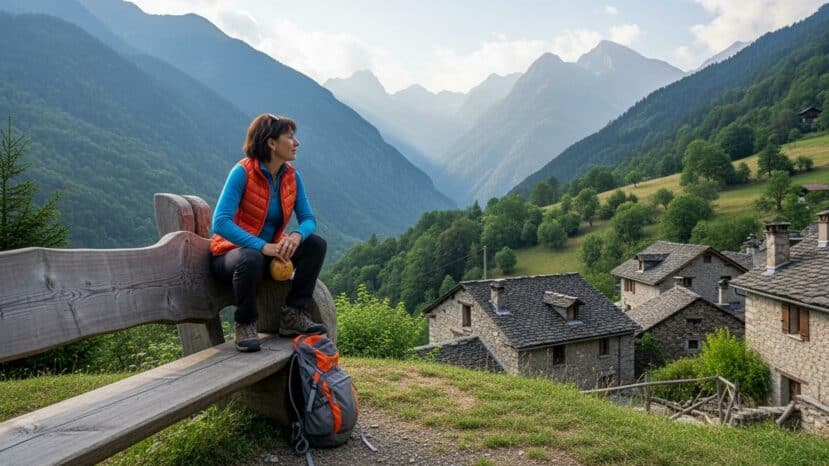
Just a stone’s throw from the Pyrenees National Park, a picturesque village catches the eye. Nestled between peaks and valleys, it offers a calm rhythm and soft light. Here you’ll find human stories and useful pointers to help you prepare for your stay.
A grandiose setting within walking distance
Here, the ridges form a web that changes hourly. The park protects rare habitats and a living mountain heritage. Created in 1967, the park covers an area of almost 457 km².
Grey stone, slate roofs and narrow streets tell the story of ancient trades. And transhumance is still the rhythm of the year, with bells and herds on the mountain pastures. This picturesque village exudes authenticity, without forced folklore, as you come into contact with its inhabitants.
In spring, the slopes turn green, and torrents sing beneath the melting snow. Autumn, on the other hand, offers superb golds and quieter trails. Summer is still possible, but visitor numbers are increasing on the nearby trails.
“Here, the mountain guides the tempo, and everyone finds their own way.
Itinerary ideas and highlights
Start early with the village, barn, belvedere loop, to get a feel for the light. Then follow a section of the GR10 to an easy pass, weather permitting. Come back through the forest to save your knees and your breath.
For lunch, keep it simple with farmhouse cheeses, freshly baked bread and garden herbs. And don’t forget to visit a craftsman, as woodworking requires precise gestures. The story of the picturesque village can be read in every useful object.
- Check the weather forecast first thing in the morning and adapt your itinerary.
- Respect the signs and stay on the marked trails.
- Bring water, windbreaker, light kit and offline map.
- Bring back your waste, including biodegradable waste.
- Anticipate the return trip: shuttle, carpool, or extra walk.
In the afternoon, leave light, with a clean photo frame and no off-trail paths. Also, respect sheepfolds, and say hello before approaching a pen. End the day at the washhouse, a place of memory and discreet exchange.
Access, seasons and rules to know
You can arrive by regional bus or by car, depending on the season and local availability. However, parking is limited near the departure points, especially at weekends. So make sure you have a plan B, and accept a short walk from the village.
The heart of the park imposes clear rules to protect wildlife and silence. Dogs are forbidden in protected areas, even on a leash. Near the picturesque village, keep to the marked trails, without drones or foraging.
The weather changes quickly here, with fog, summer thunderstorms and ridge winds. So pack warm layers, water and a light blanket. Your telephone reception may be poor in the combes, which can sometimes prolong rescue operations.
The peak season occurs mainly in July-August, with marked peaks at midday. Nowadays, many people leave earlier or aim for late afternoon loops. Choose low-lying times, and take advantage of cool undergrowth for a picnic.
Accommodation and budget
You can choose to sleep with local people, in a gîte, or in a modest hotel. Huts are best for experienced walkers, with simple rules and sleeping arrangements. If you’re near a picturesque village, book early on weekends, especially around festivals.
Prices vary according to season, view and advertised comfort. In short, ask clear questions about bedding, heating and breakfast. A deposit often blocks the room, with cancellation possible under certain conditions.
Food follows the same principle, simple and seasonal whenever possible. Also, the weekly market helps you taste local produce without overloading your bag. When hiking, opt for dense snacks and reusable containers.
Photographing, telling the story and supporting the region
Photography captures the moment, but it’s also your responsibility. So ask for approval for portraits, and take into account working hours. A smile and two quiet words often open more doors.
And yet, the most important thing is to respect the place, before the pretty picture. What’s more, a picturesque village deserves time, slow steps and listening. You’ll come away different, quiet, and rich in shared history.
Supporting the local economy requires simple, repeated and responsible actions. Then choose repairs, rentals and carpooling rather than buying new. The region will gain in jobs, know-how and dignity.
This corner of the Pyrenees takes small steps forward, between heritage and sober invention. In this way, the picturesque village becomes a precious, human and simply beautiful landmark. Take the time to look up, and walk with gratitude.


Aucun commentaire
Publier un commentaire
Participez toujours dans le respect de la loi et des personnes.