



Bulldogs, pugs, dachshunds: the EU restricts breeding in 2026, these breeds are under threat
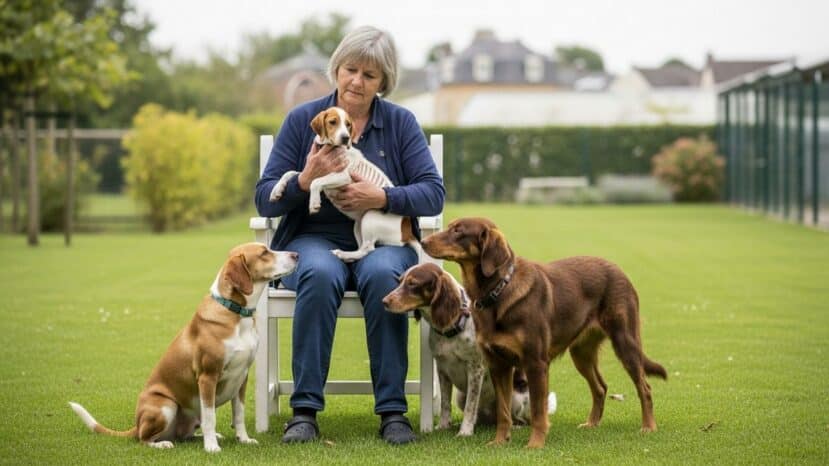
Families wonder, breeders adapt. The debate is heating up around certain breeds of dog, once very popular, now more controversial. The question is posed with emotion and pragmatism.
Why are we talking about a possible “disappearance”?
It’s a frightening word, but it refers above all to a programmed drop in births and stricter supervision. Several organizations are reviewing their standards, and veterinary controls are being stepped up. The objective remains clear: to put health before fashion.
Veterinarians describe breathing problems in French Bulldogs and Pugs. At the same time, Dachshunds sometimes suffer from back pain, as their elongated morphology makes them fragile. As a result, the selection of more “moderate” subjects is back in the spotlight.
The subject goes beyond breeding, because society is changing. Social networks amplify trends, but medical alerts are better understood. Three signals dominate : health, ethics and responsibility.
“Protecting animals must take precedence over aesthetics”.
Bulldogs, pugs, dachshunds: everyday risks
Very short muzzles are attractive, but they also complicate ventilation. According to practitioners, sleep, exertion and heat become stress factors. In these breeds, a more open nose and a shorter jaw really help.
Dachshunds can live well, provided they avoid stairs and excess weight. A well-designed home and gentle activity reduce the risk of back problems. In addition, early monitoring limits complications and reassures the family.
- Request parental health tests and veterinary reports.
- Choose moderate morphologies, without extreme features.
- Observe breathing, nostrils and effort tolerance during the visit.
- Provide regular monitoring and an appropriate insurance plan.
- Choose a kennel that is transparent about socialization and well-being.
What the rules say in Europe and France
Several European countries are debating the breeding of very brachycephalic dogs. Court rulings have restricted certain practices, and as a result, breed clubs are revising their criteria. In short, conformity is about real health, not excess.
In France, the law protects animal welfare. Producing animals to the detriment of their integrity is a punishable offence. The authorities encourage reasoned selection and visible controls.
Dog organizations are adapting their grids, and shows are placing greater value on more functional profiles. From now on, the judge will look at breathing, gait and eyes before the “typical” head. This evolution directly affects the most popular dog breeds.
The decisive role of breeders and adopters
A committed breeder presents his tested breeding stock and explains the risks involved. For example, he refuses puppies with extreme traits and relies on stable bloodlines. Transparency nurtures trust, and trust protects the animal.
For the family, preparation makes all the difference. Before adopting, you need to ask clear questions, so it’s best to visit the kennel. So everyone can appreciate the daily effort required by these sensitive dogs.
Short-term trends, responsibilities and key actions
Demand is rebalancing, as households look for companions in good shape. Veterinarians are noting an interest in more athletic profiles. In the dog breeds concerned, choosing a “less extreme” puppy is becoming a real gamble.
The first lever is weight. An appropriate diet and regular walks can ease the strain on the respiratory system. In addition, dental and ocular check-ups prevent avoidable pain.
Second lever: gentle, early education. It channels energy, but avoids intense exertion in hot weather. Third lever : regular veterinary check-ups and early detection of warning signs.
What “moderate” selection changes in breeding operations
By aiming for a shorter head, the breeder improves air flow. He also aims for open nostrils and a proportionate tongue. As a result, effort tolerance improves and anaesthetic risk is reduced.
With Dachshunds, a balanced bone structure and controlled size reduce stress. As a result, the activity remains pleasant and sustainable. This logic restores meaning to standards, and reassures families.
Project yourself with lucidity, without giving up on attachment
Being attached to a French bulldog, a pug or a dachshund doesn’t mean you can’t be cautious. With clear criteria, selection favors breathing, spine and eyes. As a result, the adopter benefits from a more serene companion.
Clubs, vets and associations are making step-by-step progress. The public’s understanding of the risks is growing, and impulse buying is declining. This prudence benefits dog breeds in the long term.
Before committing yourself, asking five simple questions really helps. Who are the parents, and what tests? How does the puppy breathe at play, and how does he recover? Also, what follow-up does the breeder offer in the first 3 months?




No comments
Post a comment
Always participate in accordance with the law and with respect for others.