



SkiErg: the most effective workout for losing weight in January, even after age 50
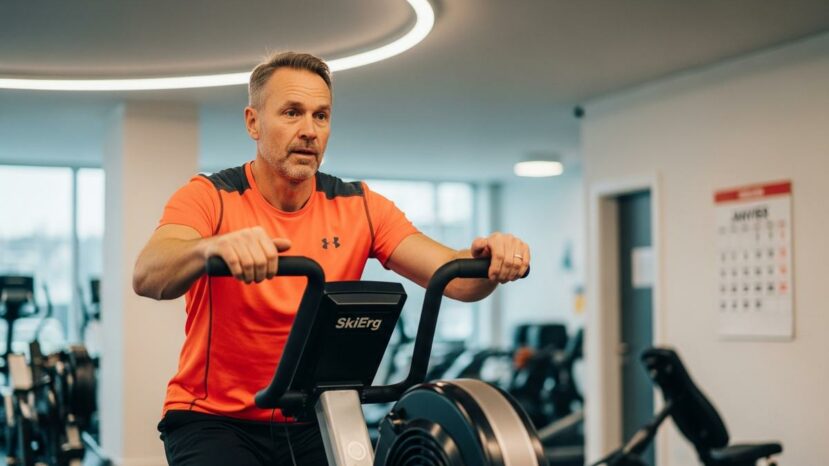
January rolls around again, and good intentions abound, but the desire quickly fades when the joints protest. That’s where the SkiErg comes in, a simple machine that’s gentle on the knees but formidable on the cardio. Looking for a safe, progressive way to kick-start weight loss, even after 50? You can count on a structured, realistic and measurable approach.
Why SkiErg is so popular in January
The movements reproduce the thrust of cross-country skiing, without impacting the ground, and mobilize the whole body. The arms pull, the chest engages, the legs stabilize: the heart races, yet the sensation remains fluid. What’s more, the machine can be fine-tuned, helping to secure the effort and personalize the session.
Compared to running, the workout targets the upper body and abdominal muscles. As a result, many people experience a sustained energy expenditure, while sparing the hips and ankles. With this in mind, SkiErg becomes a credible alternative to classic circuits and Pilates for boosting metabolic dynamics.
Winter doesn’t make it easy to get out and about, but the machine can be used in the gym or at home. You can see your progress session after session, thanks to the meters, watts and calories displayed. What’s more, starting off in 10-minute blocks is enough to get you back into the habit without exhausting your motivation.
“Two well-structured sessions are better than one long session without reference points.”
Getting started on SkiErg
Start with a 5-10 minute warm-up at moderate resistance to find your rhythm. Then maintain an intensity where you speak in short sentences: this is the “breathless conversation” level. This way, you’ll avoid early heart rate drift, and have plenty of room to progress.
For the first week, focus on accessible, regular intervals. For example, do 6 x 2 minutes of work, followed by 1 easy minute, then finish with 5 very quiet minutes. Also, adjust the resistance if your shoulders start to pull: the aim is to achieve quality of movement, not brute strength.
- Active hip hinge: bend your torso without rounding your back.
- Soft grip: relax forearms, loosen grip.
- Pull from the ribs to the hips: engage the back, not just the arms.
- Blow as you pull, inhale as you return: pace your breathing.
- Stay steady: focus on a smooth, symmetrical thrust.
A simple, realistic program
Plan 2-3 sessions a week for 4 weeks to create a base. Keep it to 20 minutes total for the first week, then increase to 20-30 minutes for the second. This way, you give your body time to assimilate without breaking the momentum.
Intersperse easy days with brisk walking, mobility or light strengthening. In addition, get enough sleep to support recovery and hormonal balance. Progress comes from load/recovery, so patience often pays off more than persistence.
When it comes to diet, aim for regularity: protein at every meal, fibre and water. Add a simple snack after sessions to manage hunger and limit cravings. In short, a slight, stable caloric deficit adds up naturally to the day’s work.
Technique, posture and injury prevention
Think “anchoring to the ground, pulling the back, arms finishing the movement” on each repetition. On the SkiErg, the spine remains long, the ribs connected, and the gaze forward. In this way, the torso guides the rhythm while the hands follow, sparing the shoulders.
If the trapezius muscles tense up, lower the elbows and relax the neck, then reduce the resistance. Look for a medium setting while you master coordination and cadence. Finally, check that the handle returns smoothly: a controlled return sets the stage for a better pull.
Frequently asked questions and intensity benchmarks
Is this training enough to lose weight? Yes, if it’s part of a coherent, consistent lifestyle. The WHO recommends 150 minutes of moderate effort or 75 minutes of sustained effort per week, and SkiErg fits perfectly into these guidelines.
How to combine it with muscle strengthening? Set aside 2 days for strength training focusing on pulling, pushing and leg movements. In addition, keep an easy cardio session before or after to relieve stress and improve recovery.
Do you need a dedicated room? No, but a stable, well-ventilated area helps maintain quality of movement and motivation. At home, plan your time slots as fixed appointments, because regularity makes all the difference. In the gym, take advantage of coaching to refine your technique and get the most out of SkiErg.




Aucun commentaire
Publier un commentaire
Participez toujours dans le respect de la loi et des personnes.