Rue des Gravilliers, Butte-aux-Cailles, Batignolles: the neighborhoods where Parisians really do make restaurant reservations
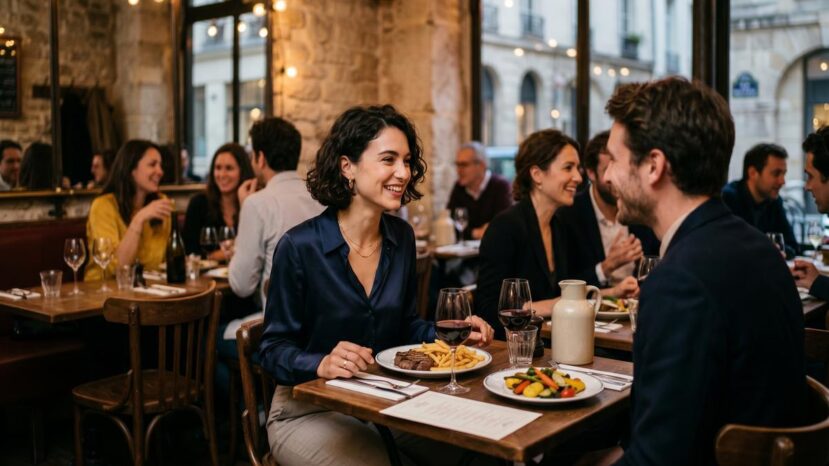


Choosing a restaurant in Paris can seem daunting, given the vast and ever-changing selection. From neighborhood bistros to Michelin-starred restaurants, each place tells a different story, and finding the right one requires a few tips that this guide will help you learn.
Understanding the Parisian culinary scene
Paris remains the world’s gastronomic capital, with tens of thousands of dining options catering to every style and budget. You’ll find cozy bistros serving hearty home-style cooking, lively brasseries open all day, Michelin-starred restaurants where the chef meticulously crafts each dish, and street-food spots that break the mold.
The menu plays a central role in the dining experience. At the best restaurants, it changes with the seasons to highlight fresh ingredients: Breton asparagus in the spring, tomatoes from the South in the summer, and fall mushrooms. Thus, a concise menu that changes regularly is often a sign of home-style cooking and high-quality ingredients.
The scene is changing rapidly. Natural wine bars, wood-fired cuisine, and collaborations between international chefs are among the trends to watch. Every month, young talents are opening new restaurants, while upholding the high standards of quality inherited from French tradition.
Types of venues and their estimated budgets
To help you get your bearings quickly, here are the main categories: bistros offer a friendly, family-style atmosphere, with an average price range of 20 to 35 euros per person. The brasserie, lively and traditional, costs around 25 to 45 euros. The gourmet restaurant, which is more refined, charges 80 to 200 euros or more. Cafeterias and street food remain affordable, ranging from 10 to 18 euros.
Each type of venue has its own unique atmosphere. The bistro focuses on a warm, welcoming atmosphere and traditional recipes with a modern twist. The brasserie offers Parisian classics all day long, while the fine-dining restaurant celebrates the art of attention to detail.
“A talented chef doesn’t just follow recipes; he tells a story through his dishes, blends creativity and technique, and creates a memorable experience.”
Eight Criteria for Choosing the Right Restaurant in Paris
Faced with thousands of dining options, Parisians have their go-to strategies. The first consideration is always your budget: set your budget before you start looking. In Paris, you can eat very well for 15 euros at a neighborhood cafeteria or for 150 euros at a Michelin-starred restaurant. Lunch specials, often half the price of dinner, offer excellent value for money, especially the 17–20-euro set menus at bistros.
The second criterion is the type of cuisine. Paris offers an immense variety of culinary options: traditional bistros, brasseries, Michelin-starred restaurants, Asian street food, Neapolitan pizza, and plant-based cuisine. Decide what appeals to you, then take a close look at the menu. A concise menu with 5 to 8 dishes often indicates fresh ingredients and homemade cooking.
The neighborhood and accessibility matter, too. The location turns a meal into a true Parisian experience, especially if you’re dining late and need to keep metro schedules in mind. What’s more, the atmosphere and decor are an integral part of the enjoyment: a strong visual identity and tasteful decor reflect a commitment to the overall customer experience.
- Budget and value for money: Compare lunch options before making a reservation.
- Type of cuisine: Prefer a concise menu that changes regularly with the seasons.
- Neighborhood and subway access, especially for late-night dinners.
- Online reviews: Check out TripAdvisor, The Fork, Le Fooding, and Time Out for a comprehensive overview.
- Sustainability: Look for the Écotable, Michelin Green Star, or Bon pour le climat labels.
The chef’s signature style also makes a difference. A passionate chef showcases his philosophy and offers original creations that elevate simple ingredients. Furthermore, review platforms have become indispensable: TripAdvisor has more than 315 million monthly visitors, while The Fork guarantees that reviews are posted only by customers who have actually made and honored their reservations.
For popular restaurants, make reservations at least three days in advance for dinner. They are often closed on Sundays and Mondays, and service hours are generally shorter than elsewhere in Europe. A clear website, featuring an up-to-date menu and a simple reservation system, reflects the restaurant’s professionalism.
Sustainable commitment: an increasingly decisive factor
More and more Parisians are choosing restaurants that are committed to eco-friendly practices. Certifications such as Écotable, the Michelin Green Star, FiG, Bon pour le climat, and Green Food guarantee sustainable practices and products sourced locally. These restaurants generally offer superior freshness and flavor because they work with carefully selected producers.
A menu that changes over the course of the months remains the most visible sign of this commitment. On the other hand, a menu that remains unchanged all year long should raise questions about the origin and freshness of the ingredients.
The Must-Visit Neighborhoods for Dining in Paris
Choosing a neighborhood means choosing a certain atmosphere and dining style. The Marais is buzzing with new, creative hotspots. Rue des Gravilliers, ranked among the coolest streets in the world, is the epicenter of the current culinary scene, with its bistronomic eateries, natural wine bars, and Asian street food.
Montmartre retains its village charm with its cozy bistros perched on the Butte. The residential streets behind Sacré-Cœur hide hidden gems, perfect for dinner after sunset. Saint-Germain-des-Prés, for its part, embodies the timeless elegance of the Left Bank: between historic literary cafés and contemporary neo-bistros, the atmosphere remains chic without being stuffy.
The Canal Saint-Martin attracts a local crowd with its waterfront terraces and creative menus. Eastern Paris, from Bastille to Ménilmontant, blends contemporary bistros, authentic Neapolitan pizzerias, and cocktail bars in a decidedly lively atmosphere. As a result, each neighborhood in Paris offers a distinct culinary character.
From the 16th arrondissement to Greater Paris: Other Places to Check Out
The 16th arrondissement offers refined cuisine, particularly around the Trocadéro with its views of the Eiffel Tower and the three restaurants at the Palais de Tokyo: Café du Palais, Monsieur Bleu, and Bambini. Auteuil Brasserie, located in the neighborhood’s former train station, serves Mediterranean and plant-based cuisine in a setting featuring large glass roofs and a green terrace.
In Montparnasse, grand brasseries such as La Coupole—which has been open since 1927—Le Dôme, La Rotonde, and La Closerie des Lilas carry on the spirit of the Roaring Twenties with their well-preserved Art Deco interiors. These institutions serve seafood platters, sauerkraut, and beef tartare, all prepared with a century of culinary expertise. Beyond the ring road, Greater Paris also has some hidden gems: in La Défense, Octopus features a 150 m² double terrace overlooking the Takis Basin, while the open-air cafés along the banks of the Marne offer a rare, idyllic setting in the summer.
The restaurants in Paris’s 13th arrondissement are also worth a visit. Chinatown, centered around Avenue de Choisy and Avenue d’Ivry, is the largest Asian neighborhood in Europe. La Butte-aux-Cailles, with its cobblestone streets and low-rise houses, has a unique bohemian vibe and affordable prices.
The Rules You Need to Know to Eat Like a Parisian
Understanding Parisian dining hours makes all the difference. Make a reservation before 8:00 p.m. at popular spots, because many kitchens close after 10:30 p.m. Some restaurants open as early as 6:30 p.m. and serve meals continuously. Late at night, your options are limited, though a few spots remain open for night owls.
The Parisian dress code can be summed up in three words: elegance, comfort, and discretion. Some Michelin-starred restaurants, cabarets, and riverboats require a specific dress code. In typical Parisian restaurants, the golden rule is simplicity and a neat, well-groomed appearance.
Several services are automatically free at Parisian restaurants: a carafe of tap water, bread, and place settings. Service is included in the bill, so tipping is optional. Tip only if you’re satisfied with the hospitality and service. On outdoor patios, rose sellers are part of Parisian folklore—persistent but never pushy.
Online Reservations: Which Platform Should You Choose?
TripAdvisor and The Fork complement each other. TripAdvisor has the world’s largest database of customer reviews, while The Fork—formerly La Fourchette—ensures that reviews are posted only by customers who have actually made and honored their reservations. Tip: Check TripAdvisor to verify the restaurant’s reputation, then book through The Fork to take advantage of special offers.
Le Fooding takes a selective editorial approach, focusing on creative spots and new trends. Time Out, on the other hand, combines expert reviews with local recommendations, which is helpful for discovering new spots. For trendy Parisian restaurants, the ideal time to book is three days in advance for a Friday or Saturday night, and two to three weeks in advance for Michelin-starred or highly publicized spots.
To get the best value for your money, opt for wine by the glass rather than a whole bottle, and ask for the dish of the day. Tuesdays and Wednesdays are often more affordable than weekends at Parisian restaurants, with some even offering discounted tasting menus during the week.