La Tour: the detective story behind the Arte series and where to find it


On Arte, La Tour stands out as a social thriller that shakes things up. From the very first minutes, tension mounts and doubt creeps in. The story draws on a noir novel, and La Tour retains its soul.
Behind the screen, a dark novel that holds up well
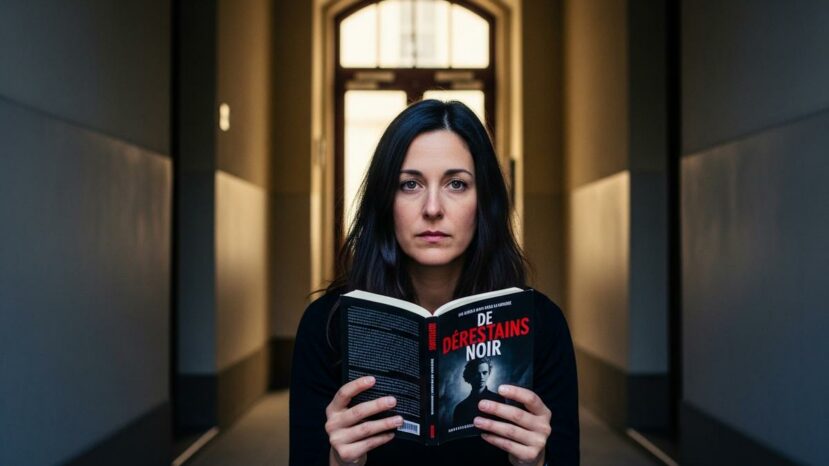
The project is based on a detective novel of the same name. As such, the setting remains tight, almost suffocating, to serve the investigation. This approach gives La Tour a solid narrative coherence. In short, the promise of mystery is embodied from the very first scene.
The transition from paper to screen respects the spirit of the book. What’s more, a number of choices have been made to give better rhythm to the scenes of anguish. The screenwriters refocus the plot without betraying La Tour. Every revelation has a clear, tangible consequence.
The heart of the story lies in a building and its neighbors. Every landing becomes a stake, every door a threat. This unity of place serves La Tour’s detective mechanics well. Yet nothing is simple, as fear blurs our bearings.
“A closed-door show at the level of human beings, taut without fuss.
What the plot says, without spoiling anything
A breakdown, a scream or an incident raises the alarm. Then, a body or a clue upsets the balance of the place. Gradually, La Tour tightens its grip on just a few inhabitants. The scale of the building becomes a mental map.
Each character has a secret, useful to the investigation. As a result, suspicion circulates, and alliances are made and broken. The novel irrigates these springs, the series makes them palpable in La Tour. In short, the tension remains human, never gratuitous.
- What’s striking about La Tour is its emotional density.
- Silences weigh heavily, and noises from the landing tell the story.
- The camera stays close, so the danger seems immediate.
- The rhythm changes, so each episode finds its own color.
- Social themes emerge, without heavy-handed rhetoric or clichés.
The book in the watermark: themes, style and differences in adaptation
The novel focuses on ordinary fear and blind spots. The narrative scrutinizes gestures and the unspoken. This material feeds La Tour and guides his choice of images. As a result, the image is enriched by a discreet social subtext.
The series focuses on the moment, while the book is more detailed. On the other hand, both formats respond to each other with sincerity. Both readers and viewers benefit from different paths.
From a structural point of view, there are two intertwining timeframes. From now on, the investigation moves forward in blocks, then back again. This montage reinforces La Tour, without weighing down the plot. What’s more, the music intervenes in dashes, without overloading the plot.
Characters, actors and critical reception
The performers are credible neighbors, neither heroes nor monsters. Their looks say as much as their lines. The staging maintains the right distance, almost documentary-like. And yet, a spark of humor sometimes relieves the pressure.
Critics praised the story’s economy and staying power. A number of reviews also point to the strength of the in camera setting. This sobriety suits La Tour and supports its tensions. Emotions take precedence over visual overkill.
Viewing tips and reading suggestions
Watch one episode a night, to let the clues infuse. In this way, the memory better retains details and pretences. After the fact, rereading chapters of the novel prolongs La Tour. Also, a notebook helps avoid backtracking.
For a sensitive audience, consider turning down the sound at night. Also, keep the lights on, as some tight shots are oppressive. Subtitles, on the other hand, help you follow every whisper. So your nerves can breathe, and the night stays calm.
Finally, jot down a few names or habits of suspected neighbors. In addition, a simple chart structures leads and alibis. This ritual puts you at the heart of La Tour’s investigation, without rushing. Finally, leave some time after each episode for debriefing.