Perfume: in Grasse, a history that evolves and expresses what words cannot


In Grasse, perfume is more than just an everyday beauty ritual. It touches the memory and weaves sensitive images. Local history shows how a scent becomes a story, then an intimate landmark for everyone.
On the skin, it changes fromhour to hour, depending on the climate. Then, it reveals nuances that the eye ignores. This discreet journey guides the choices, uses and emotions of everyday life.
Grasse, a land of fragrances and expertise
A city of hills and workshops, Grasse has been uniting culture and fields for centuries. In 2018, UNESCO listed the perfume-related know-how of the Pays de Grasse as intangible heritage. This recognition supports the crafts and attracts curious visitors.
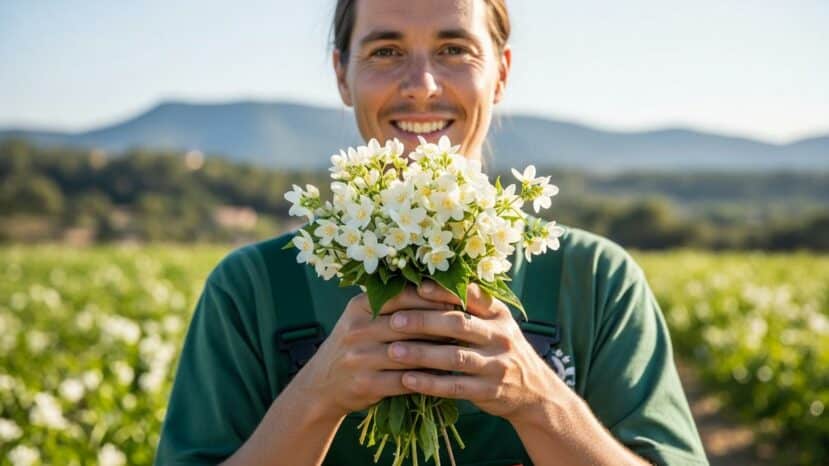
At dawn, the pickers gather jasmine and roses by hand. In this way, the freshness remains intact and the quality expresses itself. The baskets are then quickly transported to the workshops for maceration and sorting.
“Smells say the unspeakable and reveal themselves over time.”
Composing means listening to matter
First of all, composition means listening to the material and its unique texture. A fragrance is built in three tiers: head, heart and base. Consequently, each note plays its part, then gradually gives way.
To choose, first smell on a moistened pad, then test on the wrist. Then wait at least 30 minutes before judging. Also, breathe at a short distance to avoid saturation.
- Test on clean, unexposed skin.
- Wait for the heart phase before making any decisions.
- Store in a cool, dark place.
- Smell an airy room, free of ambient odors.
- Record your impressions to compare trials.
A story that evolves on the skin
The sillage depends on the gesture and the place, closed or open. A fragrance applied to dry skin won’t last as long. So moisturize the area with a neutral cream before applying.
Heat amplifies the notes, while humidity weighs them down. What’s more, clothing retains scent and modifies projection. In short, adjust the dosage according to season, room and traffic.
Concentration affects duration, but not emotion. In short, wait for the complete evolution before deciding. Test indoors and then outdoors for comparison.
Real agricultural challenges
Growers have to contend with drought and fragile flora. As a result, each harvest reshapes the cost and color of a perfume. Nowadays, some flowerings shift their calendar over the years.
Many are installing rational irrigation and promoting biodiversity. As a result, the industry maintains short circuits and trains young noses. In addition, local partnerships support retraining and internships.
Visit, learn, smell
Public workshops provide step-by-step instructions, from macerate to tuning. Local museums also shed light on the history of the industry, from fields to laboratories. These sites also offer sensory tours for families.
To smell flowers in situ, aim for May for roses and late summer for jasmine. What’s more, a fragrance is best appreciated unhurriedly, in a calm environment. On the other hand, respect the fields and follow the growers’ instructions.
Sensitive people may prefer simple, light formulas. On the other hand, keep your bottles out of the sun to preserve the fragrance. A measured gesture is often all that’s needed, whether at home or at work.