
Châtelet in Paris: named after a medieval fortress destroyed in the 19th century
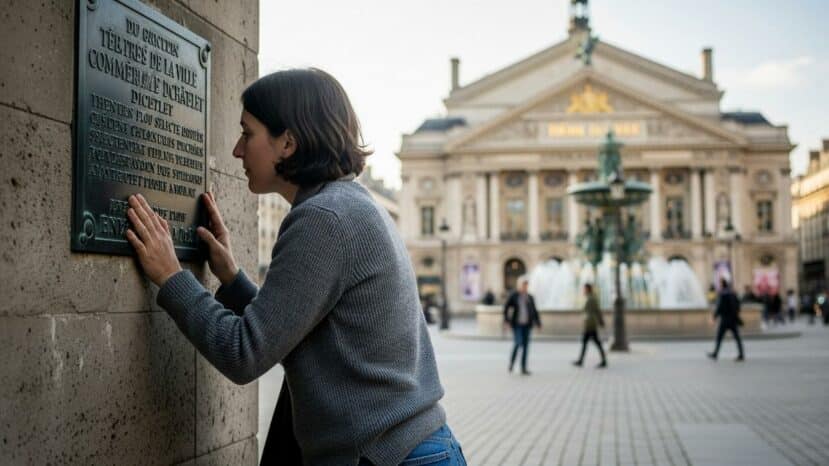


In the heart of Paris, the Chatelet district hides the history of a vanished fortress. Today, you’re walking on an ancient, yet little-known, defensive front.
From bridge to archives: the origins of Le Chatelet
A fortress was built on this site in the 12th century. It defended the crossing of the Seine and the approaches to the bridge, giving the town greater control over access. The kings progressively reinforced it, and the gateway became a real stronghold.
The Grand Châtelet soon became the home of the town’s administration. Chronicles mention the justice dispensed by the provost and his men, and the building took on a symbolic dimension. Archives confirm a lasting judicial role, but accounts vary from period to period.
In the texts, we read descriptions of dungeons and gaols. Prison serves as a means of investigation, safety and example, and fear maintains order. Historians qualify these images, but the reputation remains tenacious.
“Here, the fortress dictated the law, the town lived around it.”
Prisons, justice and collective fears at the Chatelet
The judicial mechanism links police, interrogation and sentencing. Procedures evolve over time, so practices change over several centuries. The building is a concentration of power and tension, so it has a lasting impact on our memory.
Around the Chatelet, commercial life was organized around the bridges. Merchants liven up the quays, and traffic between the banks supports the economy. The fortress watches this daily movement, so it imposes its silhouette.
- Locate the central fountain to fix your starting point.
- Walk towards the Seine and you’ll find the old defensive axis.
- Read the historical plaques, as brief as they are precious.
- Look up at the facades, but avoid rush hour.
- Take a quiet break, so you’ll remember your cues better.
Demolition and birth of Place du Chatelet
The fortress disappeared in the early 19th century. Sanitation and traffic projects transformed the site, opening up the space. Several chronologies place the demolition around 1802, although caution is advised as to the exact date.
A new square appears, now centered on a commemorative monument. The Fontaine du Palmier was erected in 1808, celebrating military victories. It quickly became an urban landmark, and the square took on its current shape.
In the mid-19th century, two theaters lined the esplanade. Inaugurated in 1862, art replaces fortress. The architecture dialogues with the Seine and the bridges, and the stage opens out onto the city.
What’s left to see today?
The original layout has disappeared, but clues remain. Place names, perspectives and facade alignments still tell the story. Look at the topography: the slope towards the river betrays the former control of access.
The area is a major transportation hub. You’ll come across several metro lines and the RER, so connections are plentiful. Central axis trains pass through here, so access is quick and easy.
Practical tips and pointers for your walk
Start early, so that the light reveals the relief better. Take short breaks, so that each stage becomes clearer. Stay on the river side at first, so you anchor your orientation.
From the fountain, move towards the theaters to understand the evolution. The name Chatelet resonates like an echo, as past and present respond to each other. The contrast is striking, as you move from an imaginary prison to a cultural scene.
Keep an eye on traffic and stay on pedestrian routes. Cobblestones sometimes tell more than facades, so a detail can be enough. Walk with a simple plan in mind, so the vanished fortress remains your guiding thread.