
Snow in Paris and the Île-de-France region in early 2026: the first flakes are possible
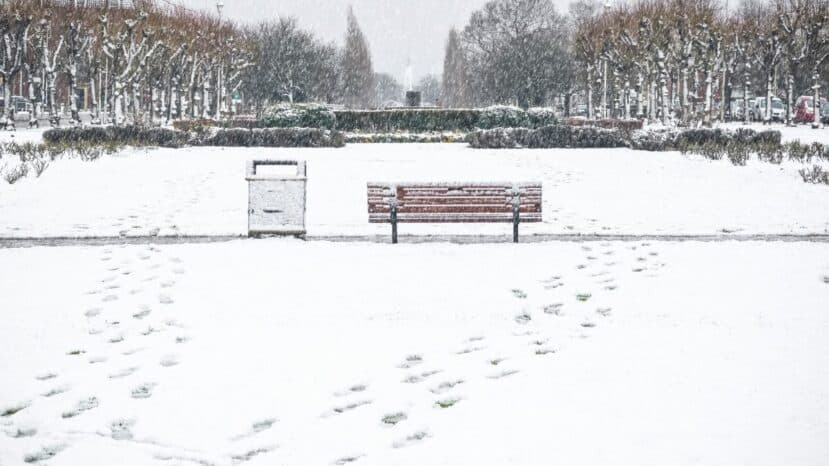


The first winter signals are multiplying for early 2026 in the Île-de-France region. The prospect of snow in Paris, for example, is a topic of conversation, between impatience and caution. The context remains changeable, as reliability will depend on future cold snaps.
Trends for early 2026
According to seasonal trends, a winter risk is looming for January 2026 in the Paris region. However, a snow event in Paris will depend on the precise timing of cold air and precipitation. The chronology of the fronts will continue to be decisive for accumulation on the ground.
North to northeasterly flows could bring back drier, colder air. On the other hand, minor disturbances would be enough to whiten the ground locally, especially on the outskirts. As a result, a slight thaw would quickly limit grip in city centers.
The heart of winter will be played out between January 2026 and February 2026. What’s more, snow in Paris is never more than 7 to 10 days away. Nothing’s decided yet, but the winter window is clearly opening.
“Preparing, yes; alarming, no.”
What are the possible impacts on transport and daily life?
In the event of a snowstorm, bus and train networks will adapt their services. In Paris, snow will mainly disrupt connections and surface lines. In advance, network managers are planning for salting, snow removal and passenger information.
Allow extra time for your morning commute. This way, pedestrians and cyclists will benefit from preferring grip, visibility and safe routes. That’s why it’s a good idea to set aside some extra time and come up with simple Plan Bs.
- Check the vigilance every morning and evening before setting off.
- Prepare an alternate route plan, with simplified connections.
- Check your shoes, bike lights and gloves to prevent falls.
- Keep a bottle of water and a snack on hand, just in case.
- Recharge your phone and external battery, to stay in touch and informed.
The role of weather services and what you can check
From now on, the best reliability comes from the 24 to 48 hours preceding the episode. Consequently, trends beyond 7 to 10 days remain indicative. This gradual approach helps you to make decisions without undue stress.
So reading the vigilance maps provides a simple guide. An orange vigilance already indicates a significant travel risk. What’s more, the bulletins give details of gusts of wind, rain and snow, and probable times of day.
Keep an eye on ground temperatures and the forecast intensity of precipitation. In addition, a continental wind increases the probability of snow in Paris during weakly active passages. Surface performance is therefore highly dependent on this fine alchemy.
The densely-built center of the town sometimes retains smoother pavements. On the other hand, the outlying municipalities whiten faster during showers. And parks and plateaus often record the first snowflakes.
Practical tips for stress-free preparation
Also, protect exposed pipes and check the heating. When snow arrives in Paris, make sure your balconies, plants and walkways are safe. Think about joints, vents and slippery surfaces.
So be sure to pack squeegees, winter washer fluid and warm gloves. Think about the vehicle’s battery and parking on slopes. In town, winter tires are especially useful for departures outside built-up areas.
Frequently asked questions this winter 2025-2026
In short, the center of the city may receive less accumulation than the inner suburbs. However, a peak in intensity would be enough to deposit snow in Paris for a few hours. So an urban microclimate can offset the peak intensity.
However, it is difficult to date the most severe episode. It’s better to think in terms of weather windows rather than fixed days. Keep an eye on wave pressure and trajectory.
So keep an eye out for short bulletins and frequent updates. Local applications are still very useful for adjusting your schedules. In addition, activate push alerts to reduce practical uncertainty.
As a result, schools and public services sometimes adapt their organization. An official decision then specifies the conditions of reception and circulation. The objective remains collective safety and the smooth flow of services.