Exhibition: Before the Water Lilies: Monet at Giverny, the genesis of an Impressionist master
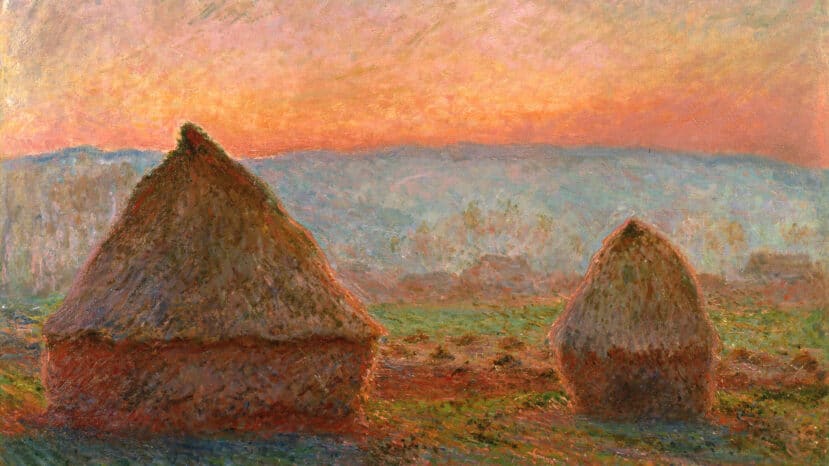


To mark the centenary of Claude Monet‘s death, the Musée des impressionnismes Giverny presents the exhibition “Avant les Nymphéas: Monet découvre Giverny (1883-1890)”. This exceptional retrospective explores the artist’s early years in the Normandy village, from his arrival in 1883 to the end of 1890, a period during which he made the region’s landscapes his own and prepared to build his famous water garden. Between meadows, fields of poppies, poplars, the banks of the Seine and Epte, Monet captured the variations in light, from rain to sunlight, transforming each motif into an Impressionist work of art. The exhibition thus offers visitors a unique insight into Monet’s daily life and creativity, enabling them to discover Giverny through the eyes of the master, before the Water Lilies made his name worldwide.
Before the water lilies: Monet discovers Giverny, 1883-1890
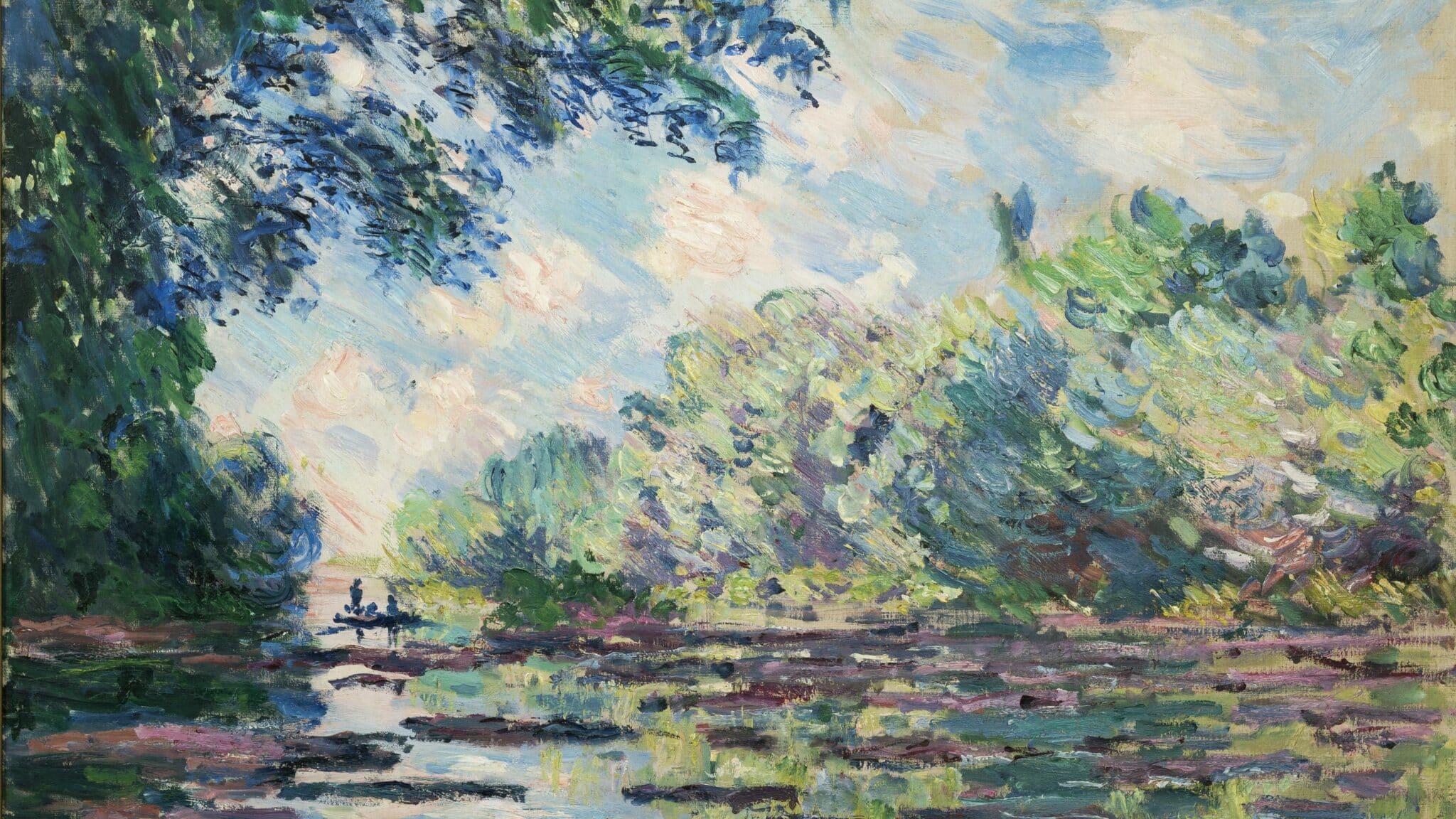
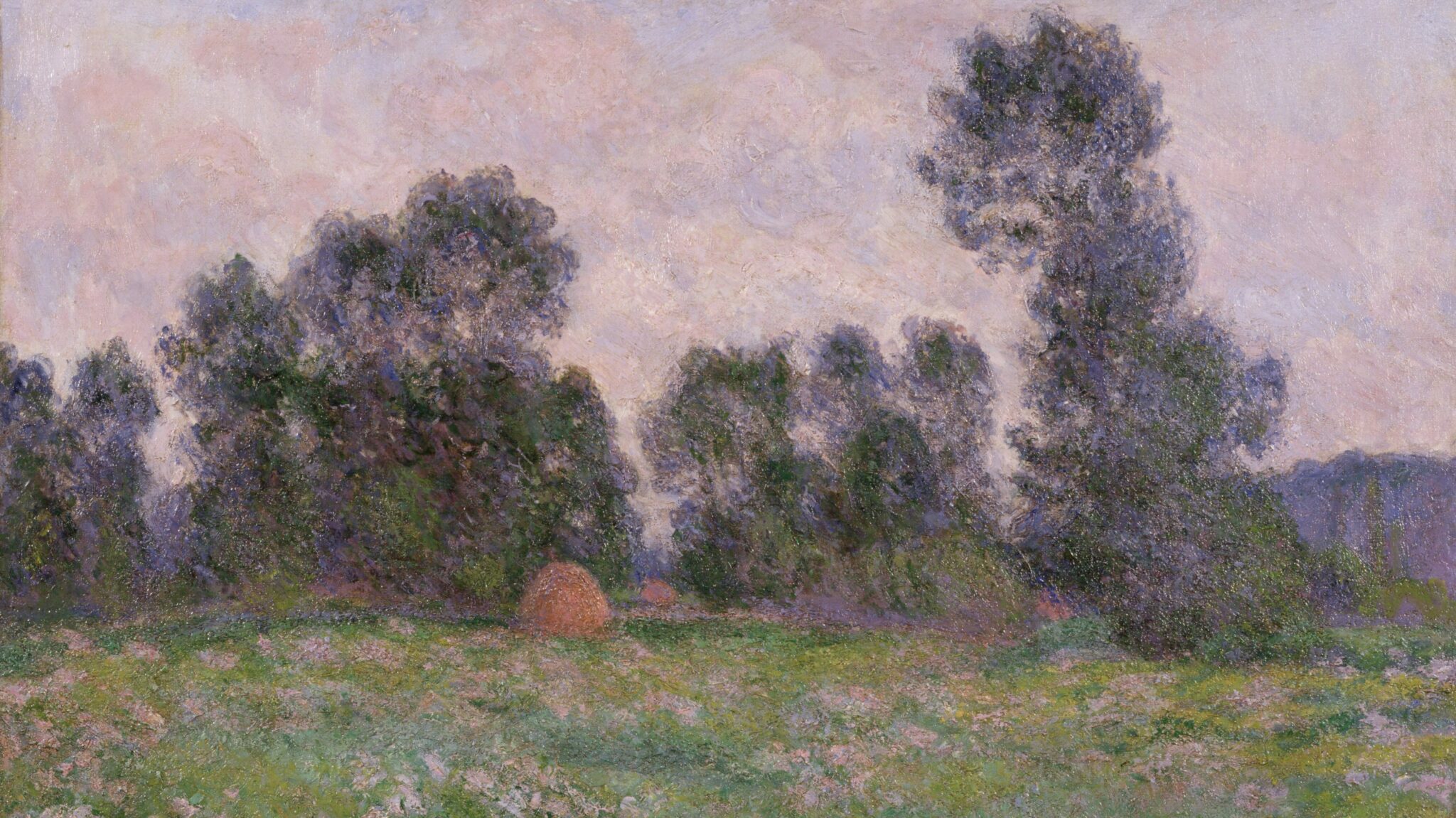
To mark the centenary of Claude Monet‘s death, the Musée des impressionnismes Giverny is staging an exceptional exhibition retracing the artist’s early years in the village of Giverny. From 1883 to 1890, Monet explored this Norman territory: poppies, poplars, meadows, hills, the Seine and the Epte became the subjects of his works. This period marked the beginning of his appropriation of the landscape, prelude to the creation of his famous water garden and the Water Lilies series. Visitors can discover Giverny through the eyes of the master ofImpressionism, both inside and outside the rooms.
Early years at Giverny
After a series of difficult stays in Argenteuil, Vétheuil and Poissy, Monet settled in Giverny in April 1883, in the house known as “Le Pressoir”, which he bought in 1890. As soon as he arrived, he painted the landscapes near the Seine andEpte rivers, capturing the fleeting effects of the Normandy light. The surrounding fields, hills and villages became his main motifs. This period was also marked by trips to the Mediterranean and Belle-Île-en-Mer, which fueled his inspiration and enriched his color palette.
Emblematic works
Several works bear witness to this seminal decade. Champ de coquelicots, environs de Giverny (1885) illustrates Monet’s attention to light and perspective. Panorama de Vernon (1886) shows his talent for combining architecture and landscape, whileSelf-portrait with Beret (1886) reveals a concentrated and creative Monet, now internationally recognized thanks to the support of his dealer Paul Durand-Ruel. These works demonstrate his mastery of atmospheric effects and his meticulous observation of everyday life.
To the water garden
In Giverny, Monet prepared his future water garden, inspired by the water lilies presented at the 1889Universal Exhibition. The purchase of his house in 1890 enabled him to transform the grounds according to his vision, planting irises, peonies and clematis. The meadows and river became his laboratory for exploring light, color and reflections, the prelude to his famous Water Lilies.
Extending the Giverny experience
The Musée des impressionnismes Giverny offers activities for all ages: guided tours, lectures, children’s workshops and the chance to explore the garden through the seasons. The exhibition catalog, co-published with Flammarion, traces Monet’s family life, fame and artistic practice. The exhibition offers a unique insight into Monet’s early years at Giverny, revealing the obstinate, inventive and hard-working Monet who prepared the way for the Water Lilies.
Practical info
Address: Musée des impressionnismes Giverny, 99 rue Claude Monet, 27620 Giverny, France
Opening hours : Every day from 10 am to 6 pm
Prices: €12 full price, €8 concessions, free for under-18s
Guided tours : Sundays at 11:30 am and 2:30 pm
Opening lecture: Thursday, April 2, 6 p.m., with Cyrille Sciama and Marie Delbarre
Museum garden: Guided tour Friday, June 5 at 4:30 p.m. and Saturday, June 6 at 10:30 a.m.
Children’s workshops : April 13 to 24 at 2:30 p.m., for ages 5-12
Reservations and information : mdig.fr