
Color after 60: this little-known technique brings radiance to gray streaks
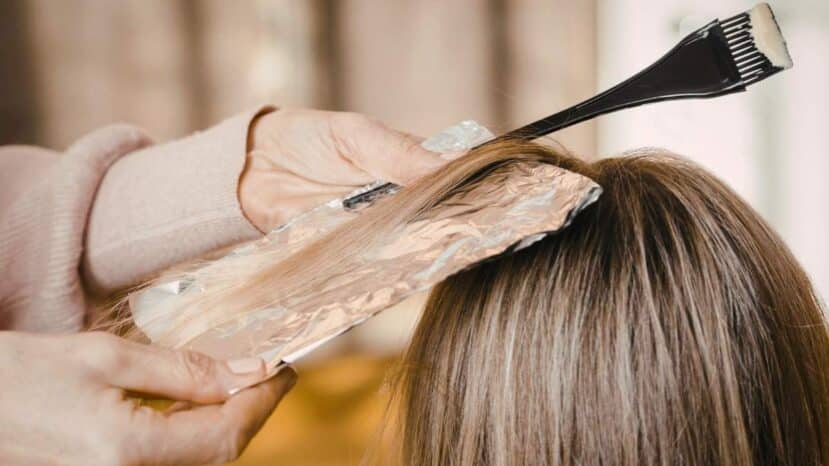


After 60, gray hair can sometimes seem dull and lacking in vitality. However, in 2026, a little-known coloring technique can restore the hair’s radiance. This gentle method brings luminosity and highlights without damaging the hair fiber.
Glossing, the color that changes everything for gray hair
Glossing differs from conventional techniques in its delicate approach. Unlike permanent hair coloring, it works on the surface to add shine and subtle highlights. As a result, gray hair regains depth without radically changing shade.
This method is particularly suited to women who want to enhance their natural hair. Glossing doesn’t cover white hair, but illuminates it. What’s more, it contains no ammonia, which preserves hair health.
Results are visible from the very first application. Grey strands appear silkier and more luminous. As a result, the face also looks more radiant thanks to these harmonious highlights.
“Glossing adds shine to gray hair without damaging it”.
How does this gentle coloring technique work?
Glossing deposits a veil of transparent color on the hair fiber. This thin layer reflects light and creates a natural mirror effect. As a result, hair looks thicker and healthier.
The technique can be performed in the salon or at home, using suitable products. It’s easy to apply and doesn’t require a long exposure time. Many brands now offer specific formulas for mature hair.
- Adds shine and highlights to gray hair
- Contains no ammonia
- Respects fragile hair fiber
- Natural, luminous effect
- Quick and easy application
The benefits of glossing hair after 60
With age, hair often becomes thinner and drier. This gentle color doesn’t attack the hair’s already fragile structure. On the contrary, it provides a sheathing treatment that strengthens each strand.
Glossing helps neutralize the yellow highlights sometimes present on white hair. Thanks to violet or bluish pigments, it offers a purer, more elegant gray. As a result, hair looks more polished and modern.
This technique adapts to all shades of gray. Whether your hair is salt-and-pepper or completely white, the result remains natural. However, you need to reapply every four to six weeks to maintain the shine.
Glossing can also be combined with other hair care products. For example, a moisturizing mask applied regularly prolongs the effects of coloring. This simple routine keeps hair looking luminous for longer.
What shade of glossing should you choose for your type of grey?
For light gray hair, glossing with silver highlights enhances the natural shade. This option brings freshness to the face and a very modern look. What’s more, it softens any yellowed areas.
Salt-and-pepper hair benefits more from pearly or beige shades. These warm tones create a harmonious contrast between dark and white strands. In this way, coloring enhances the natural blend of shades.
Practical tips for successful glossing
Before any application, it’s best to carry out a test on a strand of hair. This verifies the final result and avoids unpleasant surprises. It also helps you choose the most suitable shade.
For successful coloring, hair must be clean but not freshly washed. Shampooing the day before is sufficient. The product adheres better to the hair fiber.
After glossing, it’s time to use specific care products for color-treated hair. These products prolong pigment hold and maintain shine. As a result, shine lasts longer between applications.
This coloring technique represents a real solution for those who want to enhance their gray hair. Simple and respectful, it meets the needs of mature hair in search of light.