
Podiatrist: 3 mid-season footwear recommendations for pain-free walking
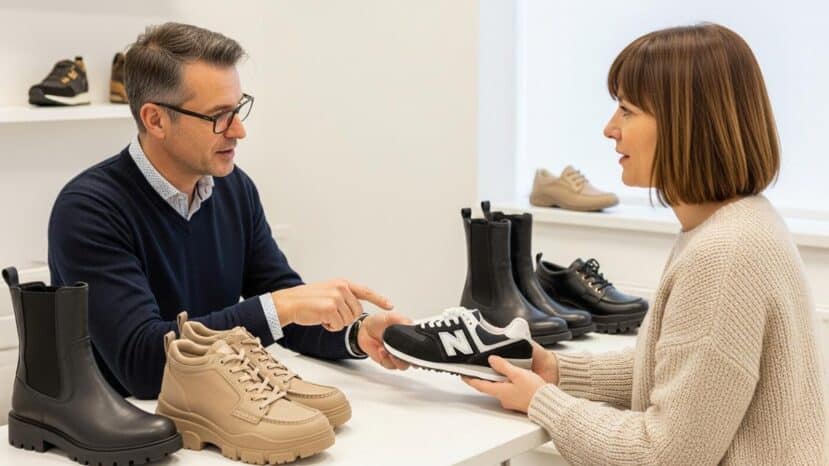


As spring 2026 gets underway, the cold persists and the ground remains damp. For a podiatrist, this period is often synonymous with an increase in consultations. Plantar pain reappears, due to a lack of footwear adapted to changing weather conditions.
A podiatrist’s advice on choosing mid-season shoes
Finding the right balance between style and comfort becomes a priority. Poorly chosen shoes can cause tension throughout the body. Backs, knees and ankles often suffer from poor foot support.
That’s why a podiatrist ‘s recommendations make so much sense at this time of year. This foot specialist knows which models offer the best protection. His or her advice can help you avoid a lot of day-to-day discomfort.
Mid-season imposes special constraints. Cooler temperatures call for footwear that covers the foot. Moisture also calls for resistant, non-slip soles.
“A good shoe doesn’t stand out for its fashion effect, but for the feeling of stability and lightness it provides throughout the day.”
Sneakers with good cushioning, a choice approved by foot specialists
Among the most reliable models, sneakers with good cushioning remain a safe bet. They absorb shocks better and stabilize walking. What’s more, they reduce fatigue at the end of the day.
References such as the New Balance 574 or certain Asics Gel models exemplify this combination. They offer optimum support while remaining aesthetically pleasing. In winter, they provide protection from the cold while retaining a certain suppleness.
- Cushioned sneakers absorb shock and reduce fatigue
- Boots with a low heel(three or four centimetres) improve posture
- Thick-soled loafers offer stability and elegance
- Flat ballet flats lack support for extended wear
- Heels over six centimetres put too much strain on the joints
Boots and moccasins: alternatives recommended by a podiatrist
Boots with a low heel or slight platform are among the most recommended options. A moderate heel helps distribute body weight more evenly. As a result, posture is relieved all day long.
Chelsea boots, riding boots or Timberland-inspired models offer a good compromise. They secure the ankle and resist the elements. What’s more, they can be easily integrated into a winter wardrobe.
The moccasin with a thick sole is another relevant alternative for this period. More structured than the very flat versions, they provide better cushioning. For those who walk a lot, their everyday stability is appreciated.
Why this model is so attractive to healthcare professionals
Easy to pair with jeans, skirts or dress pants, the chunky loafer accompanies the transition to lighter silhouettes. The models seen at Jonak show that comfort and elegance can coexist. Podiatrists often recommend this type of shoe for its versatility.
The thick sole absorbs repeated impacts on hard ground. It also protects against persistent springtime humidity. As a result, this model is ideal for those days when the weather remains uncertain.
Shoes to avoid according to foot specialists
Conversely, some shoes remain unsuitable for prolonged wear. Ballerina flats, often revived, generally lack support. Their thin soles quickly tire the foot and can cause plantar pain.
A podiatrist regularly observes back strain associated with this type of shoe. They may be suitable for a few hours. However, they quickly become uncomfortable when worn all day.
The same caution applies to very high heels, over six centimetres. While they slim the silhouette, they shift the center of gravity forward. The knees, back and front of the foot then take on a lot of pressure.
For everyday use, more reasonable heights help maintain an elegant look. By respecting the natural mechanics of walking, you can avoid a great deal of pain. This advice is often heard in chiropodists ‘ offices at this time of year.