
That’s not what it’s designed for”: a pharmacist weighs in on using Nivea cream as a face mask
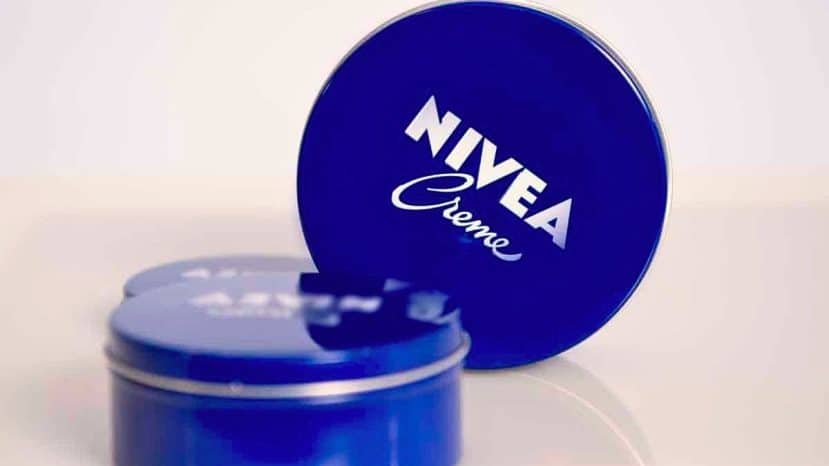


Applying Nivea cream in a thick layer to your face before bed as a sleeping mask: thousands of TikTok and Instagram videos are singing its praises. Yet pharmacist Roger Nebot is urging caution, and explains why that iconic blue tin was never designed for this kind of use.
What the blue tin actually does to your skin
The original Nivea cream formula is built on a simple principle: creating a protective film on the surface of the skin. Roger Nebot explains that it was designed to deliver emollience, reduce water loss, and maintain the hydrolipidic film. In plain terms, it acts as an occlusive seal, not a targeted treatment.
The significant proportion of mineral oil in the formula is what drives this mechanism. Combined with other occlusive fatty substances, it forms a barrier that limits water evaporation through the skin. On very dry skin, this shield can quickly deliver a heightened sense of softness and protection. That is its true sweet spot.
Roger Nebot is keen to address a common concern: cosmetic-grade mineral oil should not be seen as a toxic or harmful ingredient in itself. It is highly refined and widely used across many products. The issue, then, is not its presence, but what it fails to do.
Face mask vs. simple occlusive: a real difference for your skin
A face mask that is properly formulated does far more than lock moisture in at the surface. Roger Nebot points out that a mask can contain ceramides, hyaluronic acid, niacinamide, panthenol, ectoin, or antioxidants. These targeted actives work to calm redness, strengthen the skin barrier, address fine lines, or improve radiance.
Nivea cream, on the other hand, does not include these repairing ingredients. It protects, but it does not deliver the actives people look for in a treatment mask today. It is neither an anti-ageing cream nor a formula designed to target specific concerns. That distinction matters before you choose your product.
When Nivea cream can save the day, and when it complicates things
Roger Nebot acknowledges that the cream has genuine uses in specific situations. In winter, after intense exposure to cold or wind, or on particularly dry patches of the face, it can offer quick comfort. Many people also use it on localised areas such as hands, elbows, or heels, with good results.
Using it in a thick layer all over the face, however, whether as a long-leave treatment or an overnight mask, raises two concrete issues. First, the very rich texture can feel heavy on certain skin types. Second, and this is the point Roger Nebot considers more significant, the formula contains aromatic substances.
- Limonene, present in the formula, is a fragrance component that can act as a contact allergen.
- Geraniol is among the aromatic substances identified in the ingredient list.
- Linalool is another fragrance component found in the blue tin.
- Citronellol rounds out this list of potentially sensitising substances.
These four components can trigger reactions in people who are already sensitised. Applied in a thin, occasional layer, the risk remains limited. But as a thick mask across the entire face, the concentration of these substances increases, making this use particularly inadvisable for sensitive, reactive, or rosacea-prone skin.
The verdict on Nivea cream in 2026
Roger Nebot’s conclusion is nuanced, but clear. The blue tin remains a useful product for occasional, targeted relief, particularly on very dry skin that has been battered by cold or a dry environment. In that specific context, it does its job of protection and immediate comfort well.
Using it as a routine face mask, however, applied in a thick layer for an extended period, is simply not what it was made for. Its fragrance, rich in potential allergens, and its lack of repairing actives put it a long way from masks formulated to actually treat the skin. For localised, occasional use, this cream is still entirely relevant. For regular, targeted facial care, other formulas are far better suited.