New York makes textured hair training mandatory in hairdressing schools from September 2026


As of September 2026, New York State will impose mandatory curly, frizzy and kinky hair training in all its hairdressing schools. The decision, signed by Governor Kathy Hochul, comes in response to decades of hair discrimination that often goes unnoticed.
A historic gap in professional training
How many women have heard this phrase in a salon: “I don’t know how to do frizzy hair”? This seemingly banal response reflects a structural problem. Teaching manuals used to focus almost exclusively on straight or slightly wavy hair.
The result is striking: generations of qualified hairdressers, skilled with certain textures, find themselves totally helpless when it comes to others. Yet over 60% of the American population has textured hair. This paradox has long been ignored by official curricula.
Until this reform, only 8 out of 50 states had made training in these textures compulsory in hairdressing schools. A training vacuum with very real consequences for millions of customers.
Professionals in need of skills
75% of hairdressers say they want more training on different hair types. But as this training was not compulsory, they did not acquire these skills before going into practice. This left a yawning gap between the demand for and supply of adapted services.
“Current standards often do not sufficiently prepare professionals to work with diverse hair textures. This gap disproportionately impacts women and girls of color, who face difficulties in obtaining services tailored to their needs.”
These words from Senator Jamaal Bailey, co-sponsor of the text with Representative Michaelle Solages, sum up what’s at stake. The law takes full effect in September 2026.
What the new law means for schools
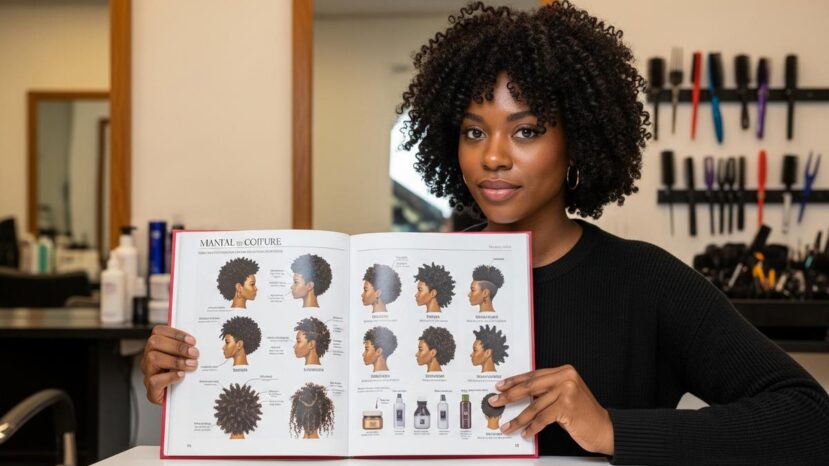
The total hourly training volume remains unchanged. The content, however, is changing. From now on, schools will have to devote time to analysis of all hair types, care adapted to natural hair, and braiding and extension techniques.
Styling textured hair also enters the curriculum: curl shaping, adapted blow-drying, natural styling. Skills that seem obvious, but which simply weren’t on the curriculum until now.
- Analysis of all hair types
- Care for natural hair
- Braiding techniques and extensions
- Curl shaping and blow-drying
- Natural styling for textured hair
This evolution in curricula means that future professionals will be able to meet the needs of a diverse clientele as soon as they leave school. As a result, refusing service for lack of know-how will no longer be an acceptable excuse.
A legal response to hair discrimination
Michaelle Solages, herself a black woman with textured hair, explained the scope of the reform. She describes it as a response to the ongoing need for diversity and inclusion in the cosmetics industry.
Behind the question of training lies that of discrimination. Refusing to do someone’s hair because you don’t know how is also a form of exclusion. This law now provides a legal framework to remedy the situation.
New York, a model for other American states
According to the New York State Beauty School Association, establishments should be able to integrate these new requirements without major difficulty. The structures exist, only the course content had to be adjusted.
The Professional Beauty Association, which has supported the reform from the outset, hopes to see other states quickly adopt similar legislation. New York could thus become a nationwide model.
For millions of women who have long heard “sorry, I can’t do it”, this decision represents much more than an administrative reform. It’s a long-awaited recognition in the world of hairdressing.